





Plan Ahead: Your Pre-Trip Checklist
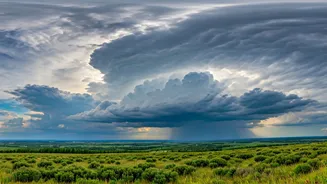
Before you even think of hitting the road, preparation is key. The monsoon in the Ghats is powerful, and being prepared can make the difference between a magical trip and a risky ordeal. First, monitor the weather forecast closely. The India Meteorological
Department (IMD) frequently issues alerts for heavy rainfall, landslides, and gusty winds in the region. If a red or orange alert is active for your destination, it is wisest to postpone your plans. Next, service your vehicle. Pay special attention to your tyres, brakes, and wipers. Ensure your tyres have adequate tread depth for a better grip on slippery roads. Functioning wipers and clean headlights are non-negotiable for visibility during a downpour. Finally, inform someone about your itinerary, including your route and expected return time. In areas with poor network connectivity, this is a crucial safety measure.
On the Road: Driving with Caution
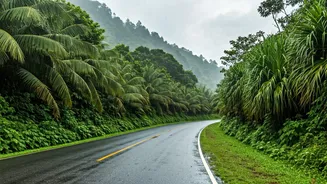
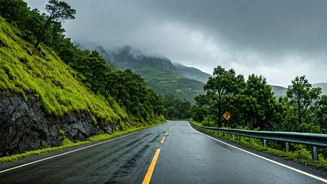
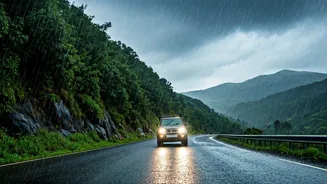
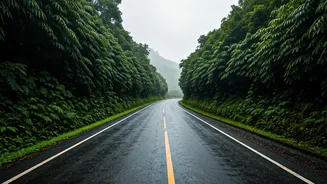
Driving in the Ghats during heavy rain is not for the faint-hearted. Roads become slippery, visibility can drop to near-zero in seconds, and the risk of landslides is real. The golden rule is to drive slowly and maintain a much larger distance than usual from the vehicle in front of you. Braking distances increase significantly on wet surfaces. Avoid sudden acceleration or braking; smooth, gentle inputs are key. Always use your low-beam headlights, even during the day, to ensure other drivers can see you. Be extremely cautious on blind curves and hairpin bends, honking to announce your presence. A widely accepted rule of ghat driving is to give way to upcoming traffic, as they have the more difficult ascent. It is also advisable to avoid driving at night. If the rain becomes too intense, find a safe spot to pull over and wait for it to subside. Never stop in a place where you could be in the path of a potential landslide or flowing water.
The Essential Monsoon Packing List
Packing correctly can significantly enhance your comfort and safety. Prioritise quick-dry clothing made from synthetic fabrics like polyester over cotton, which stays wet for a long time. A reliable waterproof jacket or poncho is a must-have; umbrellas are often useless against the strong winds in the hills. For footwear, choose trekking shoes or sandals with excellent grip. Regular sports shoes can be dangerously slippery on wet rocks. Protect your electronics and important documents by storing them in waterproof dry bags or ziplock pouches. A power bank is essential as power cuts can be common. Don't forget a basic first-aid kit, complete with antiseptic, bandages, and medication for common ailments. Mosquito and leech repellents are also highly recommended. A small packet of salt can be useful for dealing with leeches, a common nuisance during monsoon treks.
Trekking and Outdoor Activities
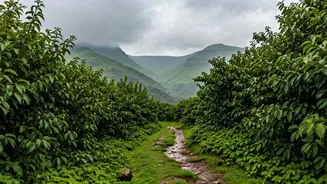
The trails of the Western Ghats are incredibly alluring during the monsoon, but they also become treacherous. If you plan to trek, always go with a group and preferably with a local guide who knows the terrain well. Avoid trekking alone. Stick to marked trails and avoid taking shortcuts, which can be overgrown and dangerous. Before starting, check with local authorities or your trek organiser about the trail's condition, as many paths are officially closed during peak monsoon due to safety concerns. Use trekking poles for better balance on slippery paths and during stream crossings. Be wary of waterfalls and streams, as water levels can rise unexpectedly and create strong currents. It’s important to stay hydrated but avoid drinking directly from streams, which may be contaminated. Always carry your own water bottle.