




Gridlock on Waterlogged Arteries
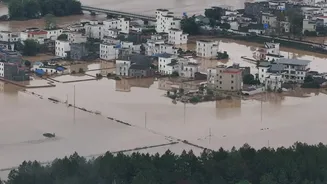
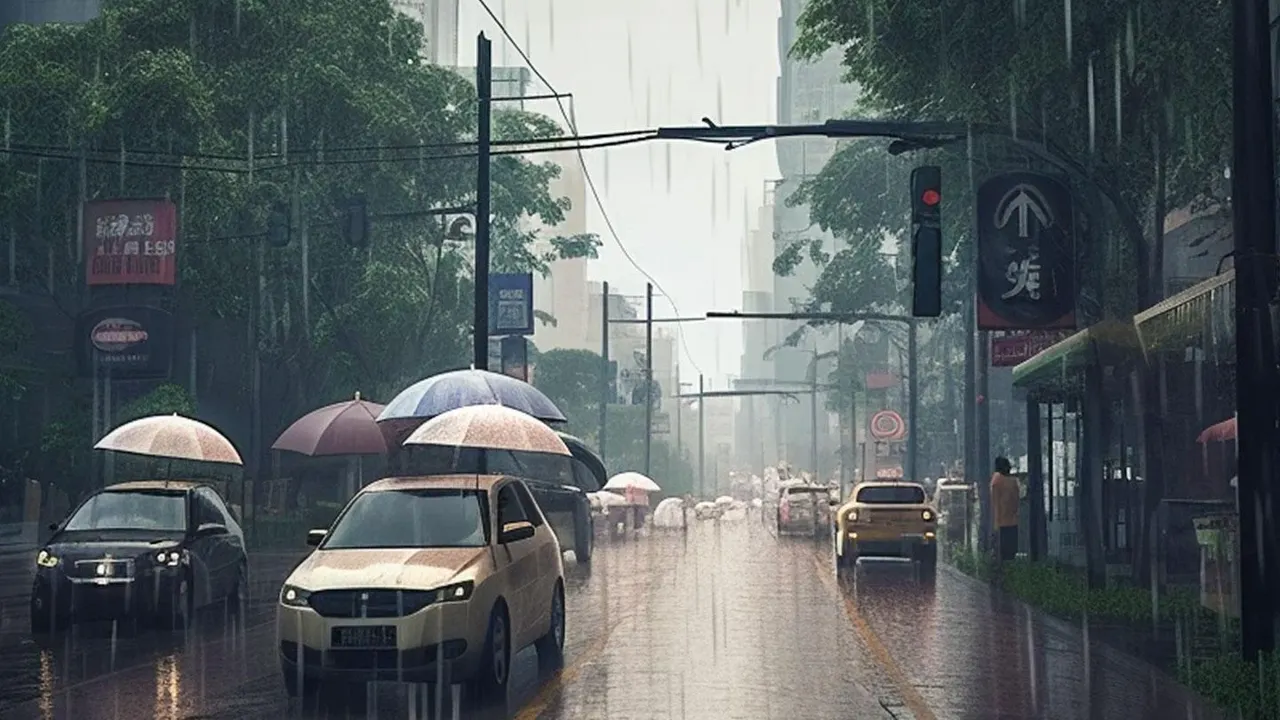
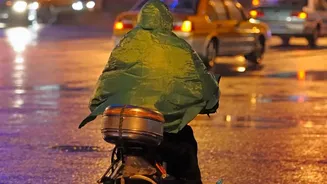
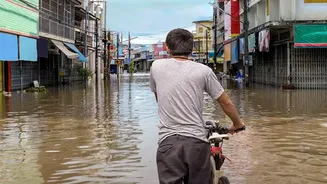
The most immediate and visible impact of the monsoon is on the city's roads. Even moderate showers can transform key arterial roads and low-lying subways into impassable stretches of water, triggering gridlock that can extend for hours. Commuters on two-wheelers
and in cars find themselves navigating a treacherous landscape of submerged potholes and overflowing drains. Major thoroughfares like Velachery-Tambaram Road, Rajiv Gandhi Salai (OMR), and Anna Salai are frequently cited by residents as hotspots for severe waterlogging, turning routine journeys into tests of endurance. The first showers of the season often expose these vulnerabilities, with ongoing stormwater drain work on roads like Arcot Road and in areas like Purasaiwalkam causing further bottlenecks as barricades shrink already congested carriageways.
Public Transport Under Immense Strain
Those who rely on public transport face a different set of challenges. Metropolitan Transport Corporation (MTC) buses are often delayed or rerouted to avoid flooded areas, with some services being cancelled altogether during intense downpours. A study by the World Bank previously identified that at least 29 MTC bus routes and six major termini are prone to inundation when rainfall is heavy. While the Chennai Metro often becomes a refuge for stranded passengers, it is not immune to problems. Access to key stations like Koyambedu, Arumbakkam, and St. Thomas Mount becomes incredibly difficult as approach roads and parking lots flood. In some stations, uncovered entry points lead to wet escalators and staircases, posing safety risks for the surge of commuters seeking shelter and a reliable ride. Suburban and MRTS train services also suffer, with delays and suspensions common due to inundated tracks.
The Underlying Causes of the Chaos
While the monsoon is a natural phenomenon, the severity of its impact on Chennai's commute is largely man-made. Experts point to rapid, often unplanned, urbanization as a primary culprit. The city's expansion has come at the cost of its natural flood buffers, with many parts of the city built over historical lakes, ponds, and marshlands, making areas like Nungambakkam's 'Lake Area' unavoidably prone to waterlogging. This has led to an increase in impermeable surfaces like concrete and asphalt, which prevent rainwater from seeping into the ground and overwhelm the city's drainage systems. The result is that even with significant investment in stormwater drains, the sheer volume of runoff during a downpour has nowhere to go.
Authorities on High Alert
In anticipation of the annual disruption, the Greater Chennai Corporation (GCC) undertakes extensive preparedness measures. For 2026, the GCC has focused on completing its massive stormwater drain network, desilting existing channels and catch pits, and identifying hundreds of vulnerable, flood-prone locations. Zones like Perungudi, Sholinganallur, and Anna Nagar have been noted for having a high number of waterlogging-prone spots. Over a thousand high-capacity motor pumps are kept ready for deployment to clear stagnant water from critical subways and residential areas. Furthermore, an Integrated Command and Control Centre monitors rainfall and flood levels in real-time, aiming to provide quicker responses and warnings to residents.
Seeking Long-Term Resilience
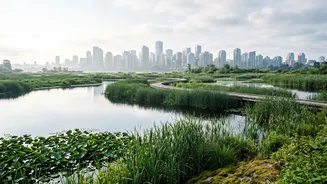
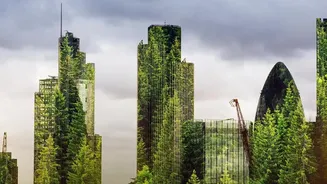
Beyond the immediate, seasonal responses, there is a growing recognition that Chennai needs long-term, nature-based solutions. The 'sponge city' concept is gaining traction, with pilot projects aimed at creating more porous, green spaces that can naturally absorb and store rainwater. The GCC, with partners like the Asian Development Bank, has been working on integrated flood management plans, particularly in basins like the Kosasthalaiyar, that incorporate 'sponge parks' and rain gardens alongside traditional drain infrastructure. These initiatives aim not only to mitigate flooding but also to replenish groundwater levels and restore local biodiversity, offering a more sustainable path towards making Chennai's commutes, and the city itself, more resilient to the inevitable rains.