



More Than Just Staples
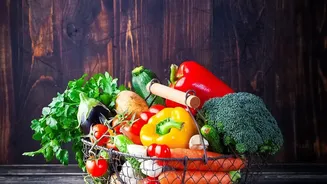
For generations, the Indian diet was primarily built around staples like rice, wheat, pulses, and seasonal vegetables. While these remain central, a clear trend of diversification is emerging. Consumers are increasingly spending on a wider variety of foods,
including processed items, dairy products, and proteins. According to the 2023-24 Household Consumption Expenditure Survey, the share of household spending on food has decreased, indicating that as incomes rise, people have more money to spend on diverse and premium food choices beyond basic sustenance. This shift is not just about adding new items but also about upgrading existing ones, like choosing protein-fortified oats over regular ones or cold-pressed oils instead of conventional options.
The Urban Engine of Change
Urbanization is a major catalyst for this dietary transformation. Rising disposable incomes, coupled with the fast-paced nature of city life, have created a powerful demand for convenience and variety. Busy urban professionals and young consumers, particularly Gen Z, are driving the growth of ready-to-cook meals, healthy snacks, and gourmet products. This trend is amplified by the explosion of quick commerce, where 10-minute delivery apps are changing grocery shopping from a planned chore to an on-demand activity, making it easier than ever to experiment with new foods and brands. This digital shift is pushing brands to compete for visibility on a new kind of shelf: the app's search bar.
Health is the New Wealth
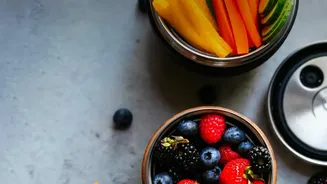
Perhaps the single biggest driver of this diversification is a massive surge in health consciousness. An increasing number of Indians are seeking foods that offer functional benefits, such as boosting immunity, improving gut health, and providing high-quality protein. The health and wellness food market in India is projected to grow into a multi-billion dollar industry, fueled by a desire for clean-label products, non-GMO ingredients, and organic options. This has led to a boom in categories like functional foods, which now hold the largest share of the health food market. Consumers are actively reading labels and prioritizing snacks that are baked, not fried, and rich in protein and fiber.
Global Tastes on Local Plates
Thanks to global travel, the internet, and media exposure, international foods that were once considered exotic are now finding a place in the Indian pantry. Foods like quinoa, avocados, and kale are becoming increasingly popular, especially in urban centers. Initially imported at high prices, many of these 'superfoods' are now being cultivated locally in India, making them more affordable and accessible. This has led to a fascinating fusion where global health trends meet local agriculture. However, this trend has also sparked a counter-movement celebrating native Indian superfoods like millets (jowar, bajra, ragi), amaranth (rajgira), and moringa, which offer comparable or even superior nutritional benefits.
The New Stars of the Shopping Cart
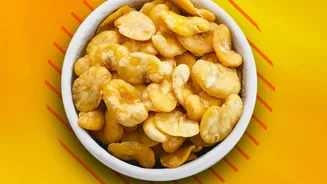
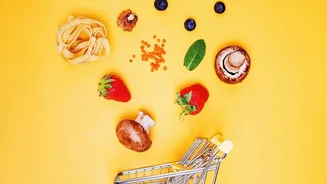
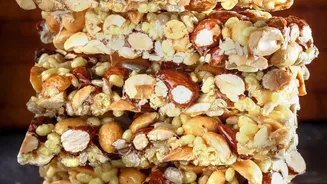
So, what are the specific foods driving this change? The diversification is happening on two fronts: the adoption of global foods and the rediscovery of traditional ones in new forms. Millets are being used in everything from breakfast cereals to dosa mixes, replacing refined flours. Makhana (fox nuts) have transformed from a fasting food into a mainstream crunchy snack, pushing aside potato chips. Greek yoghurt is gaining popularity over traditional sweetened yoghurts for its higher protein content. Simultaneously, international ingredients like olive oil, gourmet chocolates, and even Korean snacks are seeing strong growth, particularly among younger consumers and in Tier-II cities, which are now major growth engines for online food sales.