
The Puppy and Kitten Phase: First Impressions Matter
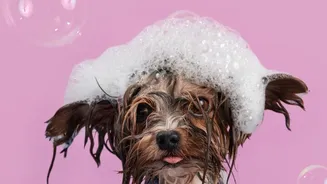
A pet’s first grooming experiences shape their attitude for life. The initial goal isn’t a perfect haircut but positive association. Early grooming, starting around 12 to 16 weeks after vaccinations are complete, should be short, gentle, and full of praise.
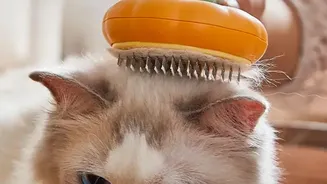
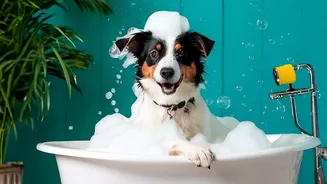
Use this time to get them comfortable with being handled, touching their paws, ears, and mouth. Their soft puppy or kitten coat doesn't need intensive grooming, but gentle, regular brushing prevents tangles and gets them used to the tools. Over-bathing can dry out their sensitive skin, so only bathe when necessary with a puppy-safe shampoo.
The Adult Years: A Routine of Maintenance
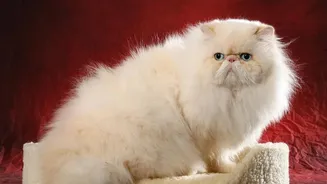
Once your pet reaches adulthood, a consistent grooming routine is key. The frequency depends heavily on their breed, coat type, and activity level. Long-haired breeds may need daily brushing to prevent painful mats, while short-haired pets might only need a weekly session. Regular brushing also helps control shedding and allows you to check for lumps, bumps, or skin issues. This is the stage where grooming is about maintenance: regular nail trims to prevent gait problems, ear cleaning to avoid infections, and dental care. A predictable schedule helps manage your pet’s coat and strengthens your bond.
Seasonal Shifts: Adapting to Nature’s Calendar
Most cats and dogs undergo coat changes twice a year, shedding their thick winter coat in the spring and growing a new one in the fall. During these heavy shedding periods in spring and autumn, you'll need to increase brushing frequency to remove loose fur, prevent matting, and keep your pet comfortable. In the summer, while it's tempting to shave a thick coat, it's often better to opt for a trim, as the coat provides protection from the sun and helps regulate temperature. Winter brings its own challenges, such as dry skin and potential damage to paws from snow and ice. Reducing bath frequency can help preserve natural skin oils.
The Golden Years: Comfort and Care for Seniors
As pets age, their grooming needs change significantly. Mobility issues like arthritis can make standing for long periods difficult and painful. Grooming sessions should become shorter and more frequent. Senior pets often have thinner, more sensitive skin, and may develop lumps that require gentle handling. A softer brush is often necessary. Self-grooming becomes harder for them, so they rely on you more to prevent mats and maintain hygiene. Grooming in their senior years is less about appearance and more about comfort, health monitoring, and ensuring their quality of life.
When Health Dictates the Schedule
A health diagnosis can completely change your pet's grooming calendar. Pets with skin allergies may need medicated baths with hypoallergenic products and more frequent brushing to remove allergens from their coat. Animals with arthritis or joint pain require a groomer who understands how to provide support and avoid painful positions. In some cases, medical grooming, often performed with veterinary guidance, becomes necessary for pets who cannot handle traditional grooming due to anxiety, pain, or medical conditions. Always communicate any health changes to your groomer so they can adjust their approach for your pet's safety and comfort.