





The Agricultural Sticking Point
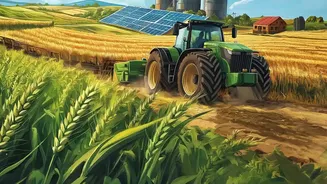
At the heart of the trade friction lies agriculture, a politically sensitive area for both nations. The United States, a global agricultural powerhouse, has long sought greater access to India’s massive consumer market. Washington is pushing New Delhi
to lower its steep tariffs on American products like almonds, apples, walnuts, and especially dairy and poultry. For American farmers, gaining entry into a market of 1.4 billion people represents a monumental opportunity. However, India views these high tariffs as a crucial shield for its domestic agricultural sector, which employs a vast portion of its population. The government fears that opening the floodgates to heavily subsidised American farm goods could destabilise domestic prices and harm the livelihoods of millions of small and marginal farmers. Farmer organisations have warned of strong resistance, arguing that such a move could threaten household incomes in rural India.
Why Dairy is a Dealbreaker
The dairy issue is particularly contentious. India is the world's largest milk producer, and the sector is a source of income for millions of rural families. The US wants to export its dairy products to India, but negotiations have hit a wall over issues beyond just tariffs. One major hurdle is the US practice of using feed for cattle that contains animal-derived products, which clashes with India’s cultural and religious sensitivities regarding the cow. Indian negotiators have insisted that any imported dairy products must come from cattle that have never been fed animal-derived feed, a standard that the US finds difficult to certify and meet on a large scale. This specific disagreement has become a symbol of the wider cultural and regulatory gaps that complicate the trade relationship.
The Digital Services Divide
The second major battleground is the digital economy. As American tech giants like Google, Amazon, and Meta have expanded their footprint in India, New Delhi has sought to impose new regulations. A key point of friction is India's 'equalisation levy', a 2% tax on revenues generated by non-resident e-commerce companies from services provided to Indian users. The US government argues that this tax unfairly targets American firms and has threatened retaliatory tariffs. Another significant hurdle is India’s push for data localisation, which requires companies to store certain types of Indian user data within the country's borders. India frames these rules as necessary for data security, law enforcement, and asserting digital sovereignty. Conversely, US companies and the USTR contend that these mandates create unnecessary costs, hinder fraud detection, and represent significant barriers to trade.
Domestic Pressures and Political Will
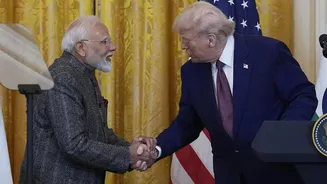
Ultimately, the trade stalemate is as much about domestic politics as it is about economic policy. In India, protecting the vast farming vote bank is a political imperative for any government. Making concessions that could be seen as harming farmers is a risk few are willing to take. In the United States, powerful corporate lobbies from both the tech and agricultural sectors exert immense pressure on their government to secure favourable terms. While officials on both sides, including US President Donald Trump and Secretary of State Marco Rubio, have recently expressed optimism that a deal is 'pretty close', the fundamental disagreements remain. Converting political momentum into a concrete agreement requires navigating these entrenched domestic interests, which has proven to be the most challenging hurdle of all.