



The Hidden Salt in Convenience
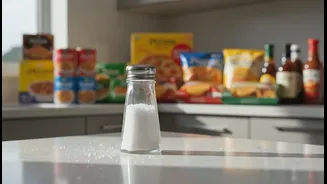
Processed and restaurant foods are the biggest contributors to high sodium intake. Salt is a cheap and effective preservative that extends shelf life, and it’s also a powerful flavour enhancer that makes food more appealing. A single frozen pizza slice
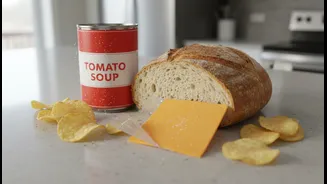
can contain over 800 mg of sodium, which is more than a third of the daily recommended limit. Even seemingly healthy options like canned soups, salad dressings, and deli meats are often packed with salt. Studies show that foods prepared away from home, including at restaurants and fast-food outlets, contain significantly more sodium than meals cooked at home. While the average Indian consumes around 8 grams of salt daily, the World Health Organization (WHO) recommends no more than 5 grams, equivalent to about one teaspoon. This discrepancy highlights how easily our intake can climb when we're not in control of the ingredients.
Why Excess Salt Is a Concern
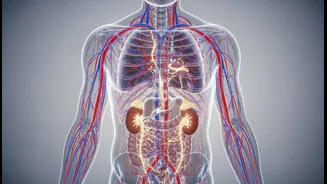
The health implications of a high-sodium diet are well-documented. Consuming too much salt forces your body to retain water, which increases blood volume and raises blood pressure. Over time, this chronic high blood pressure, or hypertension, puts immense strain on your heart and arteries, increasing the risk of heart disease, stroke, and kidney problems. In India, where cardiovascular diseases account for over a quarter of all deaths, managing salt intake is a critical public health issue. The strain on the kidneys is also significant, as they have to work harder to filter out excess sodium from your bloodstream. Reducing salt intake is considered one of the most effective ways to lower blood pressure and protect long-term health.
The Power of Your Own Kitchen
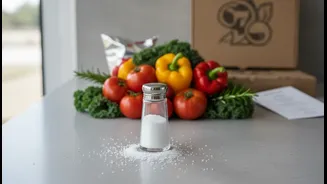
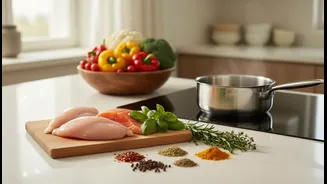
Cooking at home puts you back in the driver's seat. You decide what goes into your food and, crucially, how much salt is added. This control is the single biggest advantage of preparing your own meals. You can choose fresh ingredients, which are naturally lower in sodium than their processed counterparts. Instead of relying on pre-made sauces, marinades, and spice mixes that can be loaded with hidden salt, you can build flavour from the ground up. This doesn't mean your food has to be bland. On the contrary, reducing salt can open up a new world of taste, allowing the natural flavours of the ingredients to shine through. Your taste buds will adjust within a few weeks, and you will start to appreciate the subtleties you might have been missing.
Flavourful Tricks to Ditch the Salt
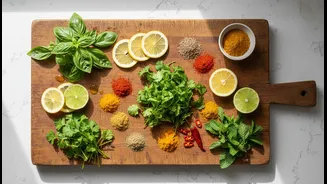
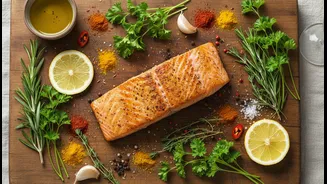
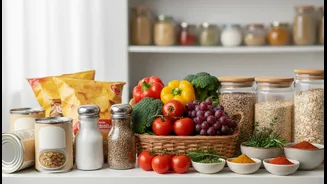
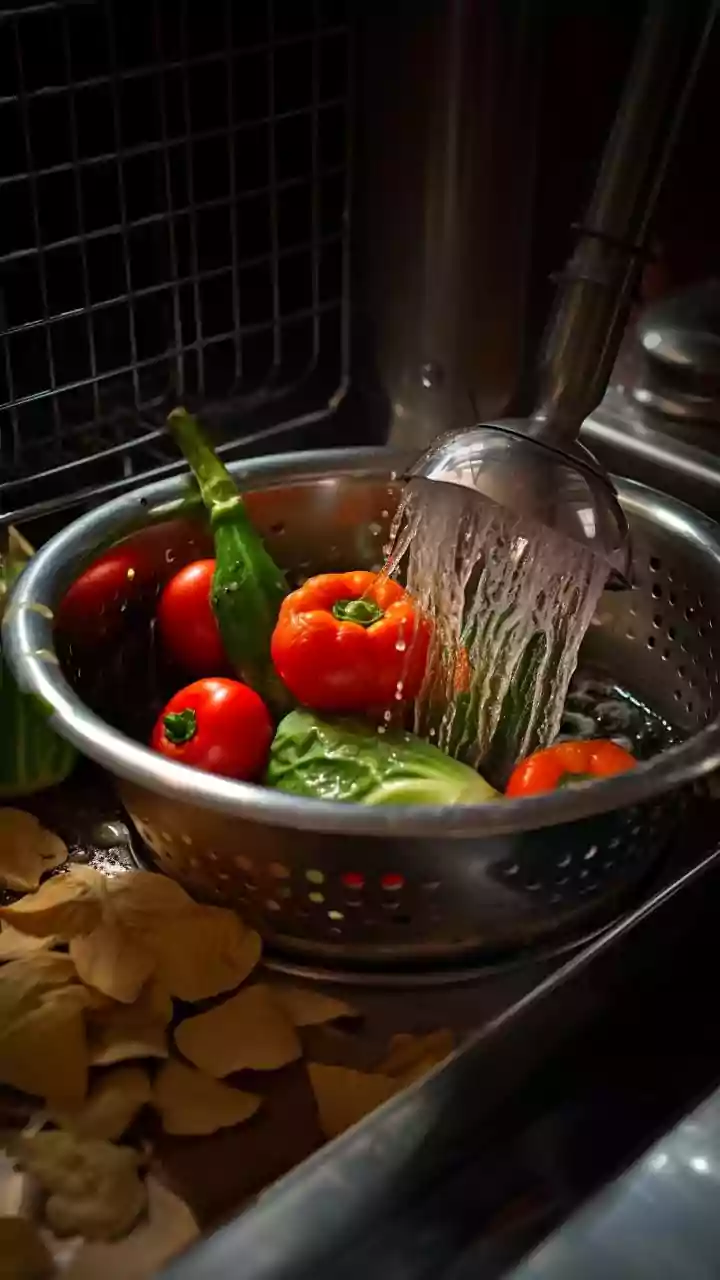
Cutting back on salt doesn't mean sacrificing flavour. A well-stocked spice rack is your best ally. Herbs and spices like garlic powder, onion powder, turmeric, cumin, black pepper, oregano, and basil can add incredible depth and complexity to any dish. Acidity from lemon juice, lime, or various vinegars can brighten flavours and mimic the taste of salt. For a touch of sweetness that balances savoury dishes, try incorporating ingredients like caramelized onions or a pinch of cinnamon. Another great technique is to 'bloom' your spices by heating them in a little oil before adding other ingredients, which helps release their full aromatic potential. When using canned goods like beans or vegetables, simply rinsing them under water can wash away a significant amount of added sodium.
Making Smarter Choices Outside the Home
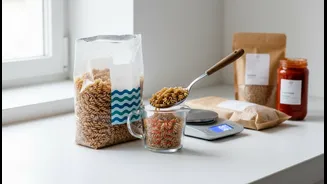
While home cooking is ideal, eating out and using some packaged foods is a reality for most. The key is to become a savvy consumer. When grocery shopping, get into the habit of reading nutrition labels. Look for products with a Percent Daily Value (%DV) for sodium that is 5% or less, and be wary of those at 20% or higher. Terms like "low sodium," "reduced sodium," and "no salt added" can be helpful, but it's always best to check the actual sodium content. When eating at a restaurant, don't be afraid to make special requests. Ask for sauces and dressings on the side, or request that your meal be prepared with less salt. Opting for grilled or steamed dishes over fried or heavily sauced ones is another simple but effective strategy.