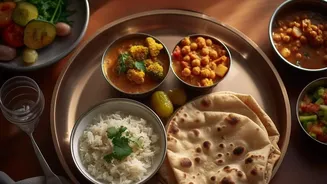








The Classic Moong Dal Khichdi
There is perhaps no dish more synonymous with comfort and care than khichdi. According to Ayurveda, the monsoon is a time when our digestive fire (Agni) can be weak, making it important to eat light, nourishing meals. Khichdi, a simple preparation of
rice and lentils, is exceptionally easy to digest. It's a one-pot wonder that provides a balanced mix of carbohydrates and protein. To elevate its health quotient, consider using brown rice or millets instead of white rice. Add a medley of seasonal vegetables like carrots and peas, and spice it with immunity-boosting turmeric and ginger. A final dollop of pure ghee not only adds a rich, homely flavour but also helps in the absorption of nutrients. This dish is a warm hug in a bowl, perfect for a drizzly evening.
Warm Vegetable and Lentil Soups
A steaming bowl of soup is a universal remedy for a gloomy day. During the monsoon, when the body is more susceptible to colds and coughs, a warm soup can be both healing and preventative. Forget canned versions; a homemade vegetable soup is packed with vitamins and minerals. You can create a simple yet flavourful broth by boiling vegetables like tomatoes, carrots, and beetroot. For a more substantial meal, a lentil soup or 'rasam' from South India is an excellent choice. Enriched with spices like black pepper, cumin, and garlic, these soups help clear congestion, improve digestion, and provide essential warmth. They are hydrating, low in calories, and a fantastic way to use up leftover vegetables.
Roasted Bhutta (Corn on the Cob)
The sight of a street vendor roasting corn over hot coals is a quintessential monsoon memory for many Indians. This smoky, slightly charred snack is not only delicious but also a healthier alternative to many fried street foods. Corn is high in fibre, which aids digestion and keeps you feeling full. To enjoy this at home, you can roast the corn directly over a gas flame until the kernels are tender and slightly blackened. Instead of slathering it with butter, rub it with a slice of lemon and a sprinkle of salt and chaat masala. This gives it a tangy, spicy flavour without adding unnecessary fat, making it a guilt-free indulgence that captures the essence of the season.
Air-Fried or Baked Pakoras
Let’s be honest, the monsoon feels incomplete without pakoras. That crispy, golden-fried goodness is the ultimate craving when it pours. However, the high oil content is a major drawback. The good news is you don't have to give them up entirely. By using an air fryer or an oven, you can achieve a similar crispy texture with a fraction of the oil. Prepare a batter with besan (chickpea flour), which is rich in protein, and add your favourite vegetables like onions, spinach, or potatoes. Spices like ajwain (carom seeds) can be added to the batter to aid digestion. Paired with a fresh mint-coriander chutney, these baked or air-fried versions offer the same satisfaction without the guilt or heaviness of their deep-fried counterparts.
Moong Dal Cheela
Another fantastic dish from the lentil family is the moong dal cheela, a savoury pancake that is both light and protein-rich. Made from a batter of soaked moong dal, these cheelas are gentle on the stomach and provide sustained energy. They are incredibly versatile. You can make them plain, seasoned with ginger and green chillies, or stuff them with grated paneer or a mix of finely chopped vegetables for a more complete and filling meal. They cook quickly on a non-stick pan with minimal oil, making them a perfect choice for a healthy breakfast or a light dinner on a rainy day. Serve them hot with a side of green chutney for a delicious and wholesome experience.
Soothing Haldi Doodh (Turmeric Milk)
To cap off a rainy day, nothing beats a warm glass of Haldi Doodh, or Golden Milk. This traditional drink is a potent immunity booster, which is especially important during the monsoon when infections are common. Turmeric contains curcumin, a compound known for its powerful anti-inflammatory and antioxidant properties. To make it, simply warm a cup of milk and stir in half a teaspoon of turmeric powder. Adding a pinch of black pepper is crucial as it significantly enhances the absorption of curcumin. A small amount of ghee or a few drops of coconut oil can also help. Sweetened with a little honey or jaggery, this comforting beverage helps soothe a sore throat and promotes restful sleep, ensuring you stay healthy and cozy throughout the season.