






What Is the Skin Barrier?
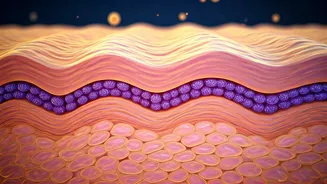
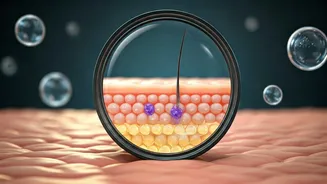
Think of your skin barrier as your skin's personal bodyguard. It's the outermost layer, known scientifically as the stratum corneum. This layer is often described as a 'brick and mortar' wall. The 'bricks' are tough skin cells called corneocytes, and the 'mortar'
holding them together is a mix of lipids like ceramides, cholesterol, and fatty acids. This structure has two main jobs: keeping water locked in to keep your skin hydrated, and keeping harmful things like pollutants, irritants, and bacteria out. A healthy barrier is what makes skin look and feel soft, supple, and plump.
Signs Your Skin Barrier Is Damaged
When your barrier is compromised, it can't do its job effectively. This can lead to a variety of uncomfortable symptoms. Common signs of a damaged barrier include persistent dryness, tightness, or a flaky, rough texture, even after you moisturise. You might also experience increased sensitivity, where products that you used to tolerate suddenly cause stinging, burning, or redness. Other tell-tale signs are inflammation, itchiness, and even a sudden increase in breakouts or acne. Essentially, if your skin frequently feels uncomfortable, your barrier is likely sending out an SOS.
The Main Causes of Damage
Several factors in our daily lives can weaken this crucial shield. One of the biggest culprits is over-exfoliating or over-washing, which can strip away the essential lipids holding the barrier together. Using harsh soaps, alkaline detergents, or skincare products with high concentrations of active ingredients like retinoids and acids without allowing for recovery can also cause damage. Environmental stressors play a big role, too. Too much sun exposure, pollution, and even environments that are too dry or too humid can take a toll. Lastly, don't underestimate the impact of psychological stress and lack of sleep, which can interfere with the skin's natural repair processes.
How to Repair and Protect: The Do's
The key to repairing a damaged barrier is to adopt a gentle, supportive approach. Simplify your routine by pausing strong actives like exfoliants and retinoids. Focus on cleansing with a mild, pH-balanced wash and lukewarm water. Look for moisturisers and serums packed with barrier-loving ingredients. Ceramides are non-negotiable, as they are a fundamental part of the skin's lipid 'mortar'. Hyaluronic acid and glycerin are excellent humectants that draw moisture into the skin. Niacinamide (Vitamin B3) is a superstar ingredient that helps the skin produce its own ceramides and reduces inflammation. Plant oils like jojoba or squalane can also help replenish lipids and seal in moisture.
Barrier Protection: The Don'ts
Just as important as what you do is what you avoid. Steer clear of abrasive physical scrubs and harsh, foaming cleansers that leave your skin feeling 'squeaky clean' but stripped. Be cautious with products containing alcohol or strong fragrances, including essential oils, which can cause irritation. Avoid washing your face with very hot water, as it can strip the skin of its natural oils. Most importantly, don't overdo it. Using too many products or high-strength actives all at once can overwhelm and weaken your barrier. A consistent, gentle routine is far more effective. And never skip sunscreen; UV exposure is a major cause of barrier damage and can hinder its ability to heal.