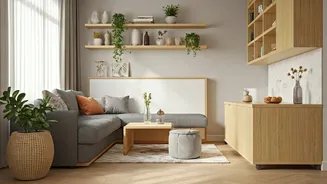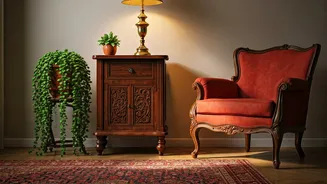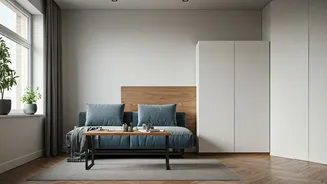




The Myth of Mandatory Minimalism
For too long, the gospel of interior design for compact urban homes, especially in bustling Indian cities, has been minimalism. We’ve been told to declutter ruthlessly, paint everything white, and hide our personalities in sleek, handle-less cabinets.
While minimalism has its own serene appeal, it often feels at odds with a culture that revels in colour, cherishes heirlooms, and celebrates abundance. Indian life is a maximalist experience—from our festivals and food to our textiles and traditions. To force a sterile, sparse aesthetic can feel like writing a story with half the alphabet missing. Our homes, particularly our flats, shouldn't be empty vessels; they should be treasure chests that tell our unique stories. The idea that you must erase your identity to create a sense of space is a myth worth busting.
What is Maximalism With Breathing Space?
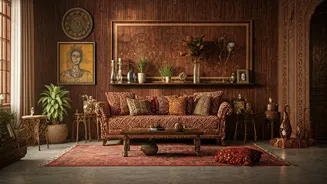
This isn't about hoarding or creating chaos. Maximalism isn’t simply the opposite of minimalism; it's a philosophy of 'more is more, done right'. It is curated, intentional, and deeply personal. Maximalism with breathing space is the art of balancing vibrant, layered self-expression with enough visual quiet to feel restful. Think of it as a gallery, not a storeroom. It’s about surrounding yourself with things you love—bold patterns, rich textures, and meaningful objects—but arranging them with intention. The “breathing space” is the crucial element that prevents a room from feeling overwhelming. It's the pause in a visual sentence, the quiet corner that allows the vibrant gallery wall to sing.
The Art of Curated Collections
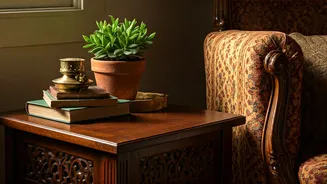
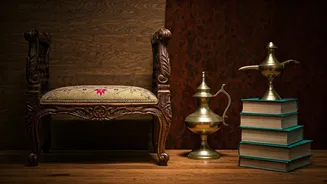
The first rule of this style is to distinguish between intentional curation and mere accumulation. Look around your home. Which objects tell a story? That brass lamp from your grandmother, the collection of ceramic plates from your travels, the stack of art books you love. These are your 'intention pieces'. The key is to group and display them proudly. Instead of scattering items, create powerful vignettes. A collection of blue pottery looks far more impactful on a single shelf than when dotted randomly around the room. The 'breathing space' comes from editing ruthlessly. If you don't love it or it doesn't have a story, let it go. Rotate your displays seasonally to keep the space feeling fresh and to give all your favourite things their moment in the spotlight.
Embrace Colour and Pattern Fearlessly
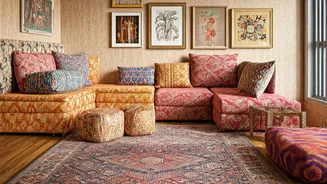
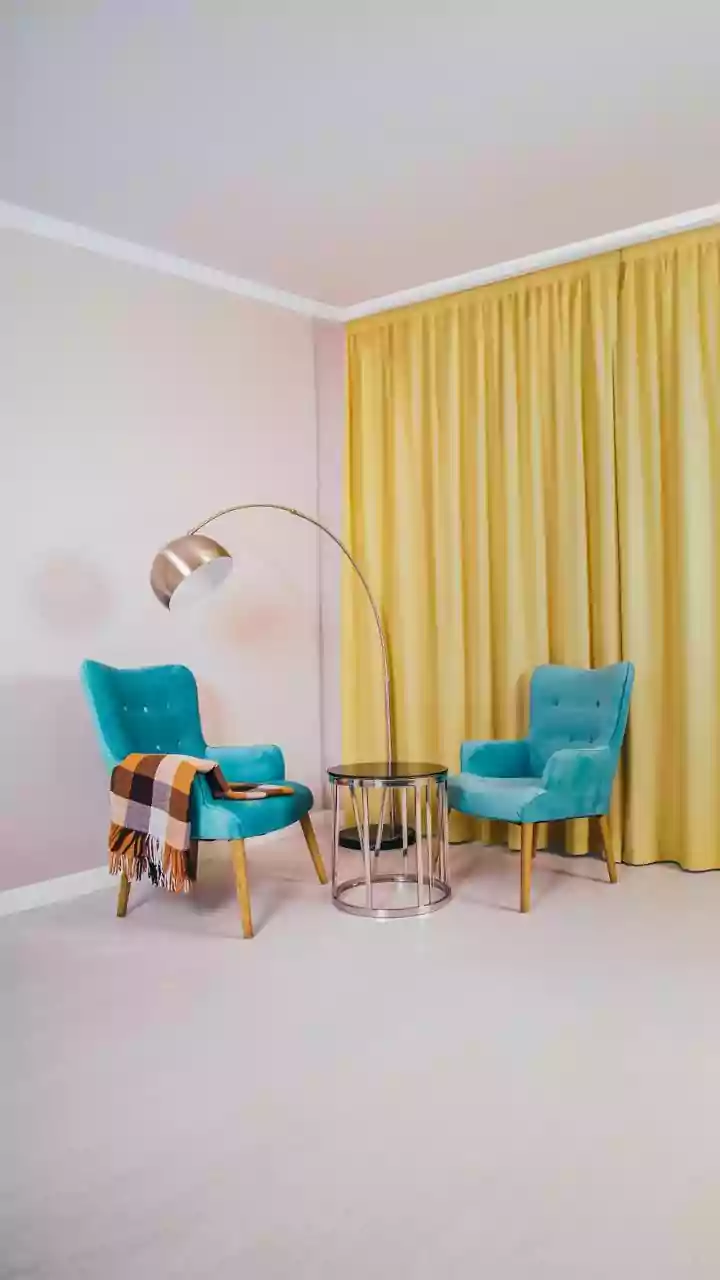
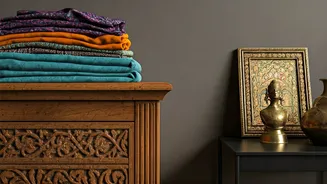
Indian decor has always had a fearless relationship with colour and pattern. Maximalism invites you to lean into that heritage. Think jewel tones like sapphire blue and turmeric yellow, layered with rich textiles like silk or block-printed cotton. The trick to avoid visual overload is to establish a cohesive colour story. Choose two or three dominant colours and repeat them throughout the space to create rhythm. Patterns can be mixed, but it helps to pair a large-scale print with a smaller, more delicate one. The 'breathing space' here could be a neutral-coloured wall that acts as a backdrop for a wildly patterned sofa, or a simple, solid-coloured rug that grounds a room full of floral cushions.
Furniture That Works Hard
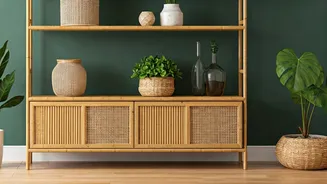
In a smaller Indian flat, every piece of furniture must earn its place. Maximalism with breathing space demands smart, functional choices. Opt for multi-purpose furniture: a storage ottoman, a coffee table with drawers, or a bed with built-in storage. This allows you to keep everyday clutter out of sight, which is essential for creating that feeling of openess. When choosing bigger pieces, consider items with raised legs. A sofa or cabinet that you can see under creates an illusion of more floor space, making the room feel lighter and airier. The goal is to have beautiful, expressive furniture that is also working hard to keep your space organised and functional.
Mastering the Art of Negative Space
This is the most crucial part of achieving 'breathing space'. Negative space is simply the empty areas in a room—the blank portion of a wall, the clear surface of a table, the uncluttered floor. In a maximalist home, these pauses are essential for balance. Don't feel the need to fill every corner. Allow a wall to remain empty to draw more attention to the gallery wall opposite it. Keep your entryway clear to create a welcoming and uncluttered first impression. Use mirrors strategically; a large mirror not only creates the illusion of more space but also reflects light, making the entire flat feel brighter and more open. Remember, it is the quiet spaces that give the louder, more expressive parts of your home their power.