








Why a Damp Home Feels Unclean
High humidity does more than just make the air feel heavy and sticky. It creates an environment where allergens and microorganisms thrive, directly impacting how clean your home feels and smells. Musty odours are a tell-tale sign of mold or mildew, which
are fungi that flourish in damp conditions. These organisms release spores and compounds into the air that we perceive as a stale or earthy smell. Beyond the odour, this excess moisture creates the perfect breeding ground for dust mites. These microscopic pests, a common trigger for allergies and asthma, multiply rapidly in environments with humidity levels above 60-70%. The presence of these allergens can contribute to respiratory irritation, stuffy noses, and a general feeling of being unwell at home, which undermines any sense of cleanliness.
Identifying the Sources of Moisture
To control dampness, you first need to find where the moisture is coming from. Some sources are obvious, but many are a part of our daily routines. Everyday activities like cooking, showering, and even breathing release significant amounts of water vapour into the air. A single shower can add up to 1.5 litres of moisture, while a load of laundry can release up to 5 litres as it dries indoors. Cooking without proper ventilation can add another three litres daily. Beyond our activities, structural issues can play a major role. Leaky pipes, poor drainage around the foundation, and unsealed crawl spaces can allow water to seep in. Condensation on windows is another clear sign that your indoor air is holding too much moisture for the current temperature.
The Three Pillars of Moisture Control
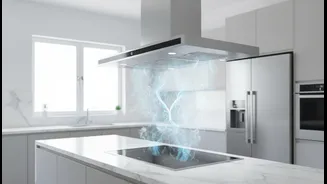
Managing household humidity rests on three key strategies: ventilate, dehumidify, and repair. First, prioritise ventilation. Use exhaust fans in kitchens and bathrooms during and after activities that produce steam, like cooking or showering. Let them run for about 15-20 minutes afterwards to clear lingering moisture. When the weather is dry, opening windows and using ceiling fans can improve air circulation and carry moisture away. Second, consider mechanical dehumidification. Your air conditioner naturally removes some moisture as it cools, but a dedicated dehumidifier is the most efficient tool for the job. Aim to keep your home's relative humidity between 30% and 50% for optimal comfort and to prevent mold growth. Finally, be vigilant about repairs. Promptly fix any leaky faucets, pipes, or roofs. Ensure your gutters are clean and direct water away from your home's foundation to prevent it from seeping into your basement or crawl space.
Simple Habits for a Drier Home
Incorporating small changes into your daily routine can make a big difference in your home's humidity levels. When cooking, always use lids on your pots and pans to contain steam. If possible, avoid drying clothes indoors. If you must, place them in a well-ventilated area or use a dryer that vents directly outside. Taking shorter, cooler showers can also significantly reduce the amount of steam released into your bathroom. Even the number of houseplants you have can contribute to indoor humidity, so consider spacing them out or choosing varieties that are less demanding of water. These small, consistent efforts collectively reduce the moisture load in your home, making it a less hospitable place for mold and mites and a more pleasant environment for you.