



Why A Unified Checklist Matters
Booking a hotel can feel like a gamble. Official photos are designed to sell, often using wide-angle lenses to make small rooms look spacious, or professional lighting to hide wear and tear. Travellers often scrutinise photos of the bedroom, the bathroom,
and the view as separate items. The real power move, however, is to evaluate them together. A “deluxe” room label means very little if the window faces a brick wall and the bathroom is tiny and dated. By cross-referencing these three elements—room category, windows, and bathroom—you can piece together a far more accurate story of what you're actually paying for. This integrated approach helps you spot inconsistencies that reveal the true quality and value of a room, moving beyond the marketing fantasy.
Decoding Room Category Photos
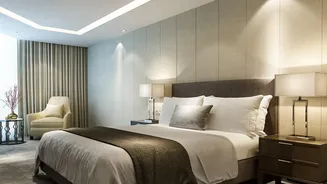
Hotels use a confusing hierarchy of terms like 'Standard', 'Superior', and 'Deluxe' with no universal standard. A deluxe room in one hotel might be a standard room in another. This is why photos are critical. Pay close attention to what the hotel shows you for each category. If the gallery is filled with stunning pictures of suites but only one generic, tightly cropped image for a standard room, that’s a red flag. They might be hiding a dated or small space. Look for galleries that provide unique, clear photos for each room type. Check for context clues. Does the 'superior' room really have more space between the furniture than the 'standard' room, or is it just a different camera angle? If photos for different room types look identical, be concerned.
What the Windows Reveal
A room's windows are one of the most revealing features, yet they are often digitally enhanced in photos. A bright, sun-drenched room in a photo might be artificially lit, and that stunning ocean view could be Photoshopped or taken from a different, more expensive room altogether. When you analyse the window, you're checking for three things: light, view, and potential noise. If there are no photos showing the view from the window, assume there isn't one worth seeing. You could be looking at a parking lot or an air shaft. Also, check traveller-submitted photos on review sites, which show the real, unedited perspective. These can confirm whether your 'ocean view' is a panoramic vista or a sliver of blue you can only see by leaning out the window.
Bathroom Red Flags to Watch For
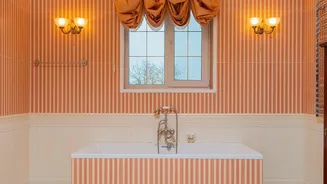
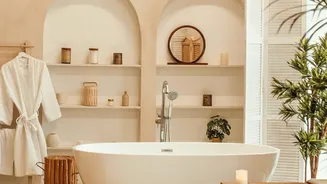
The bathroom is often a clear indicator of a hotel's true age and standards of cleanliness. An absence of bathroom photos for your specific room category is a major warning sign; it often means the bathroom is dated, cramped, or in poor condition. When photos are available, look closely. Are the fixtures modern or from a bygone decade? Is it a spacious, well-lit room or a small, cramped space? Pay attention to the details: patterned or coloured tile can hide grime, while all-white surfaces suggest confidence in cleanliness. Even small things, like the quality and number of pillows on the bed, can hint at whether a hotel cuts corners. A pristine bathroom in a 'deluxe' room photo helps justify the label, but a tired-looking one suggests the upgrade is in name only.
Putting It All Together for a Smarter Booking
Now, connect the dots. You're considering a 'Deluxe Ocean View' room. The photos show a nicely decorated bed (Category ✅). But the window shot is a tight crop of a curtain, and there are no pictures of the view (Window ❌). The only bathroom photo is a close-up of a faucet (Bathroom ❌). This tells you the 'deluxe' and 'view' claims are weak. In contrast, a 'Standard Room' listing that shows clear, wide shots of the room, an honest view of the garden from the window, and a clean, if simple, bathroom is a much safer bet. Always compare the official photos with those taken by actual guests on review platforms. These unedited shots are your best tool for confirming room size, layout, cleanliness, and the real view, ensuring the room you book is the room you get.