
Why Mint is Your Perfect Starter Plant
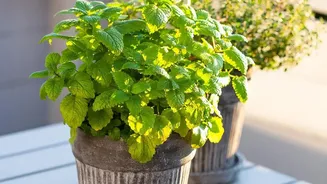
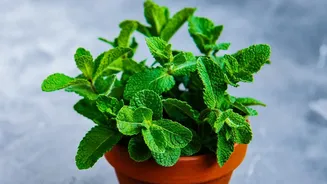
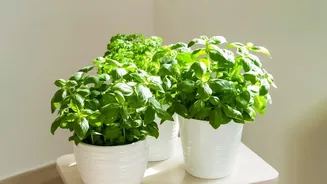
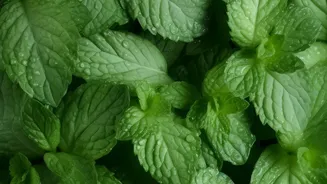
Mint is famous for being a vigorous grower, a trait that can make it a menace in an outdoor garden but a huge advantage for indoor pots. Its resilience means it can tolerate a bit of neglect, making it one of the easiest herbs for a beginner to grow successfully.
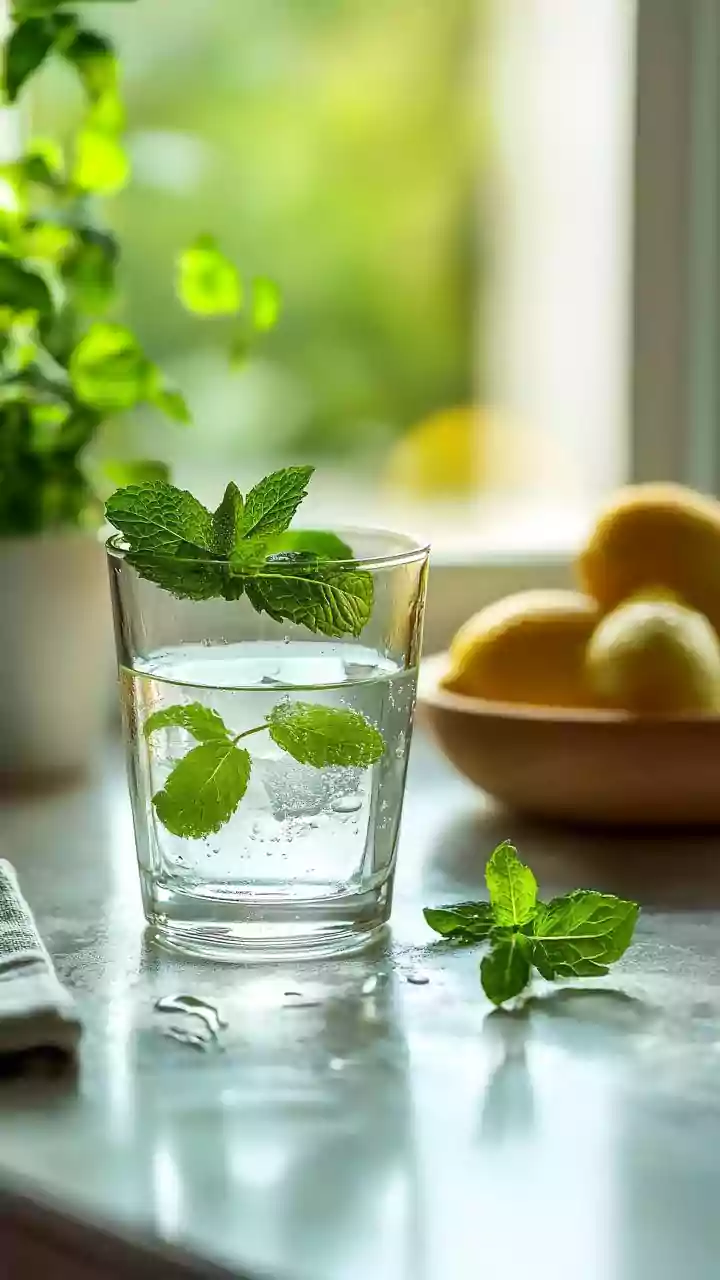
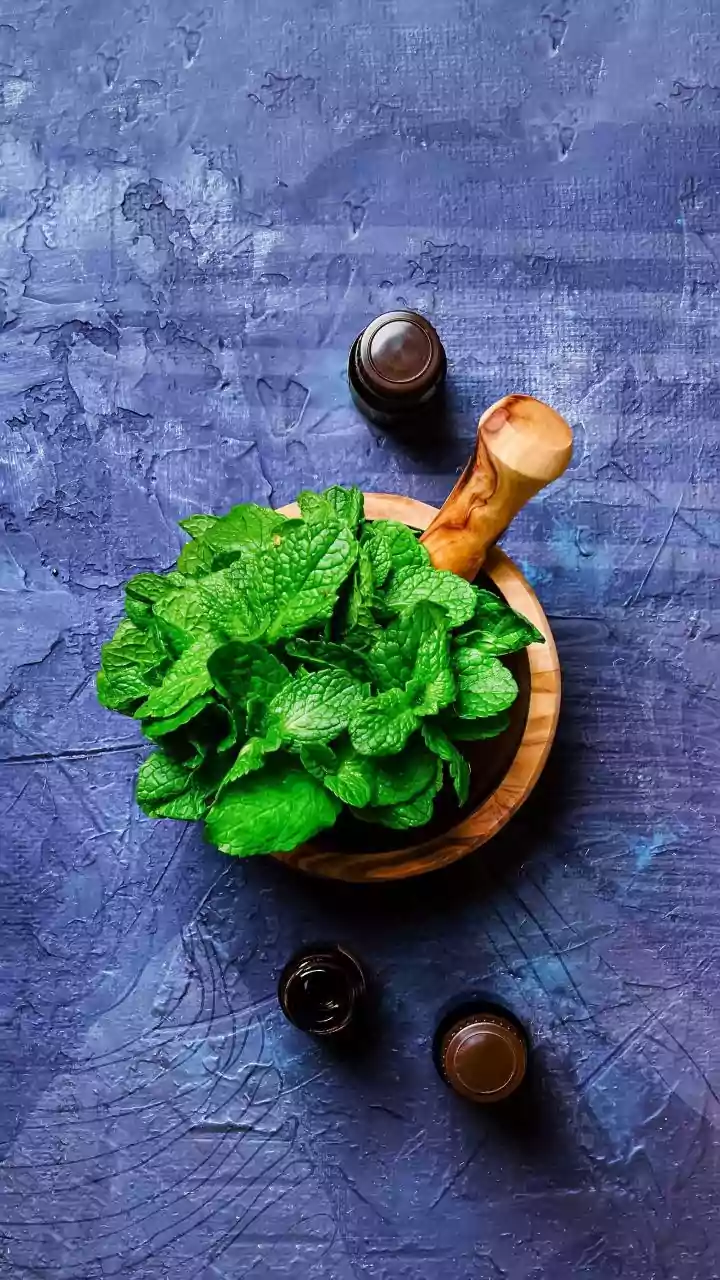
Beyond its hardiness, the rewards are immediate. Fresh mint can elevate everything from a simple glass of water or tea to homemade mojitos and fresh garnishes for meals. Plus, its pleasant aroma acts as a natural air freshener and can even help deter common kitchen pests like ants and flies. For students looking for maximum reward with minimal fuss, mint is an unbeatable choice.
Choosing Your Mint and Its Home
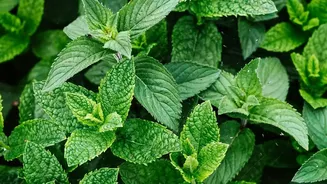
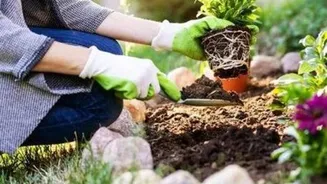
While you can grow mint from seed, it’s much faster and easier to start with a small plant from a local nursery or even a cutting from a friend. Propagating from a cutting is simple: just place a healthy stem in a glass of water, and roots should appear within a week or two. When it comes to variety, spearmint is a great all-rounder, perfect for drinks and salads due to its milder, sweet flavour. Peppermint offers a stronger, more classic menthol taste, ideal for teas. As for the pot, choose one that is at least 8 inches wide to give the roots room to spread. The single most important feature is drainage holes. Mint loves moist soil but will quickly suffer from root rot if it sits in stagnant water, which is the number one killer of indoor mint plants. A simple plastic or glazed ceramic pot is perfect for retaining moisture.
The Golden Rules: Light and Water
Mint is adaptable, but it has its preferences. It thrives with lots of bright, indirect light. An east-facing window with gentle morning sun is great, but it will also do well on a south-facing windowsill that gets at least four to six hours of direct sunlight. If your flat is particularly dim, don't despair. The plant will often show you it needs more light by growing long, 'leggy' stems with sparse leaves. To fix this, simply rotate the pot regularly to ensure even growth. When it comes to watering, the rule is to keep the soil consistently moist but not waterlogged. A simple way to check is to stick your finger into the soil; if the top inch feels dry, it’s time to water. Let any excess water drain out completely, and never leave the pot sitting in a saucer full of water.
Harvesting is Maintenance
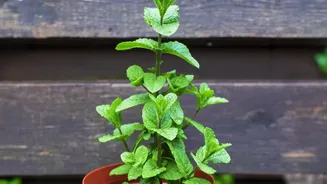
The best part about maintaining a mint plant is that the main task is harvesting it. Regular pruning is essential to keep the plant bushy, healthy, and productive. Don't just pull off individual leaves. Instead, trim the stems back, cutting just above a set of two leaves. This encourages the plant to branch out, creating a fuller, more compact shape rather than a few long, sad stems. Frequent harvesting prevents the plant from flowering, which can cause the leaves to lose some of their flavour. Think of every cup of tea or garnished dish as doing your plant a favour. This regular cutting ensures a constant supply of fresh, tender leaves and keeps your mint plant looking its best with very little extra effort.
Troubleshooting and Flat-Sharing Etiquette
Even a low-effort plant can have off days. If you notice dusty orange spots, it could be mint rust, a common fungal disease. Overwatering can lead to yellowing leaves and a wilting appearance, even when the soil is wet, which indicates root rot. Pests like spider mites can also appear, especially in dry, stagnant air. Most of these issues can be managed by ensuring good airflow, not overwatering, and trimming away affected parts. In a shared flat, communication is key. Find a spot for your plant that gets good light but isn't in a high-traffic area where it could get knocked over. A kitchen windowsill is often ideal. Be clear with your flatmates about whether the mint is for communal use. Sharing the fresh leaves is a great way to make your new green addition a welcome resident for everyone.