





An Age-Old Remedy in Your Masala Box
In Indian households, the answer to many common ailments often lies within the 'masala dabba' (spice box). The combination of cumin (jeera) and fennel (saunf) steeped in warm water is a classic example of this kitchen wisdom. It’s a traditional digestive
aid, passed down through generations, long before over-the-counter antacids became commonplace. This simple concoction, often called 'Jeera-Saunf water,' is celebrated for its ability to gently calm the digestive system, ease gas, and reduce the feeling of being overly full or bloated. It isn't a magical potion that will instantly 'vanish' a serious issue, but it is a powerful, natural tool to support your body's digestive processes and bring gentle relief.
The Digestive Power of Cumin (Jeera)
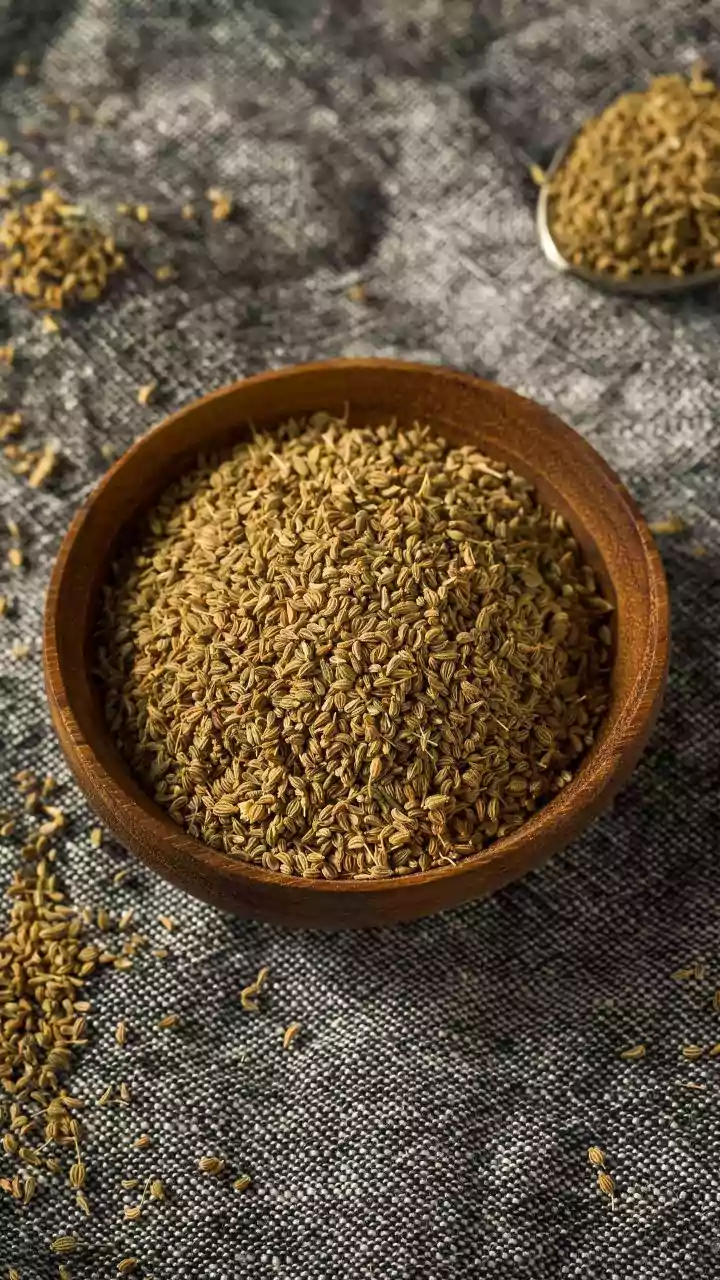
Cumin is more than just a flavouring agent for your dal or sabzi; it's a digestive powerhouse. The primary compound in cumin, cuminaldehyde, is known to stimulate the salivary glands, which helps with the initial breakdown of food. More importantly, it promotes the secretion of digestive enzymes and bile, which are crucial for the proper digestion of fats and nutrients in the small intestine. When your digestion is efficient, there is less chance of food fermenting in your gut, a common cause of gas and bloating. Furthermore, cumin seeds possess carminative properties, which means they help prevent the formation of gas in the gastrointestinal tract and facilitate its expulsion, providing relief from flatulence and abdominal distension. Some studies also point to its anti-inflammatory and antioxidant properties, which contribute to overall gut health.
The Soothing Touch of Fennel (Saunf)
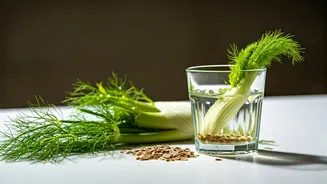
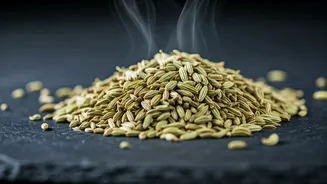
Fennel seeds, the popular post-meal mouth freshener, also have a well-deserved reputation as a digestive aid. Their magic lies in volatile oils like anethole, fenchone, and estragole. These compounds have antispasmodic and anti-inflammatory properties, which help to relax the smooth muscles of the gastrointestinal tract. When these muscles are relaxed, trapped gas can pass more easily, relieving the cramping and discomfort associated with bloating. Like cumin, fennel is also a carminative, working to reduce gas formation. The presence of anethole gives it a slightly sweet, pleasant taste, making the water more palatable. By soothing the intestinal tract and reducing muscle spasms, fennel helps create a calmer digestive environment, preventing the build-up of pressure that leads to that familiar bloated feeling.
How to Prepare Your Cumin-Fennel Water
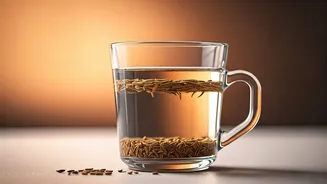
Making this soothing drink is incredibly simple. You don't need any special equipment—just a saucepan, water, and the two key spices. **Ingredients:** - 1 teaspoon of cumin seeds (jeera) - 1 teaspoon of fennel seeds (saunf) - 1.5 cups of water **Instructions:** 1. In a small saucepan, add the cumin seeds, fennel seeds, and water. 2. Bring the water to a gentle boil over medium heat. 3. Once it starts boiling, reduce the heat and let it simmer for about 5 to 7 minutes. You will notice the water changing to a light, golden-brown colour as the spices infuse. 4. Turn off the heat and strain the water into a mug. 5. Allow it to cool slightly until it is comfortably warm, and sip it slowly. For a no-boil method, you can also soak the seeds in a cup of hot water overnight and drink the strained water first thing in the morning.
When Is the Best Time to Drink It?
Timing can enhance the effectiveness of this digestive water. For general digestive maintenance, drinking a warm cup first thing in the morning on an empty stomach can help kick-start your metabolism and digestive system for the day. However, for targeted relief from bloating, the best time to drink it is about 20-30 minutes after a heavy meal. This allows the compounds from the cumin and fennel to aid the digestive process when it's working its hardest, helping to prevent the formation of gas and discomfort before it fully sets in. You can also sip it in the evening before bed to help soothe your stomach overnight. The key is consistency; incorporating this into your daily routine will yield better results than using it sporadically.