




The Rise of the 'Library of Things'
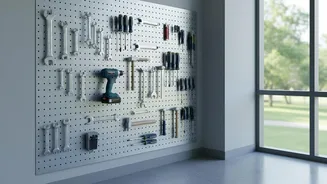
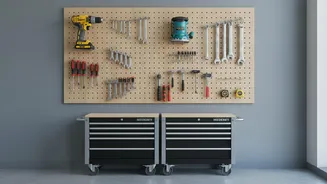
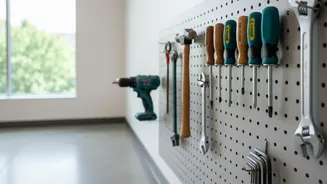
Imagine a library where you can borrow a ladder, a high-pressure washer, or a set of screwdrivers instead of books. This is the simple yet powerful concept behind a tool-sharing library, sometimes called a 'Library of Things'. It’s a dedicated space within
a residential community where residents can borrow tools for free or for a nominal fee. This idea is rapidly gaining traction in Indian cities, where modern apartment living often means limited storage and a desire for smarter consumption. It’s a practical step away from the hyper-consumerism of owning everything, towards a more collaborative model of sharing resources that are used infrequently.
The Economic Advantage: Saving Money and Space
One of the most immediate benefits of a tool library is the significant cost savings for residents. Many essential tools for home maintenance and DIY projects are expensive but are needed only occasionally. Rather than each household spending thousands of rupees on individual items, the community can pool its resources. This democratises access to high-quality equipment that might otherwise be unaffordable for many. Furthermore, in the compact apartments typical of urban India, storage space is a premium. A shared library eliminates the need to clutter homes with bulky items, freeing up valuable living space and promoting a more organised, minimalist lifestyle.
Driving Sustainability, One Shared Tool at a Time
Beyond the financial perks, tool libraries are a powerful engine for sustainable living. The construction and building sector is a major contributor to energy consumption and carbon emissions in India. By sharing tools, communities drastically reduce the need for mass production of these items. This means less raw material extraction, lower energy consumption in manufacturing, and a significant reduction in waste. This model is a core principle of the circular economy, which focuses on reusing and maximising the value of products to minimise our environmental footprint. For a growing number of homebuyers who prefer sustainable properties, this is a tangible and impactful feature.
Fostering Community and Collaboration
A tool library is more than just a storage room; it’s a hub for community interaction. When neighbours borrow and return tools, it creates natural opportunities for connection and conversation. This simple act can help transform an anonymous apartment block into a close-knit community. These spaces often evolve into places where residents share not just tools, but also skills and advice, fostering a spirit of mutual support. Some societies even organise workshops around the tools, helping residents learn new skills for home improvement. This collaborative environment strengthens social bonds and enhances the overall quality of life within the society.
How Societies Are Making It Happen
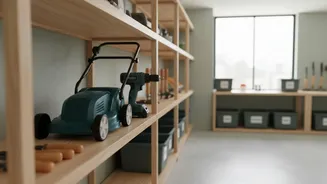
Setting up a tool library is becoming increasingly straightforward. Often, a society's management committee designates a spare room or common area for storage. The initial inventory can be built from donations by residents or funded through the society's maintenance budget. To manage the process, many are turning to technology. Simple apps or software platforms allow residents to browse available tools, check their availability, and reserve them with a few clicks. Some societies have a volunteer or a designated staff member manage the check-in and check-out process, ensuring tools are returned in good condition for the next user.