



In closets across India lie stories woven into silk and cotton—a mother's wedding sari, a father's favourite shirt. Now, a growing movement is ensuring these garments don't just fade away, but are reborn into beautiful, functional new forms.
More Than Just Material
In India,
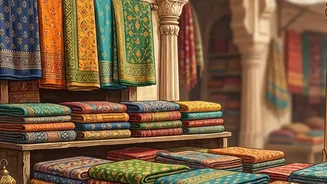
clothing is rarely just cloth. It’s a repository of memories, a marker of milestones, and a tangible link to family history. A soft, worn-out cotton sari isn't merely discarded; it holds the memory of a grandmother's embrace. This emotional connection is at the heart of a powerful trend that marries sentimentality with sustainability. For generations, the practice of repurposing old textiles was a household norm born of frugality. Today, it has blossomed into a celebrated creative movement, championed by designers and embraced by a new generation eager to connect with their roots while making conscious fashion choices. This shift transforms an old habit into a trendy, sustainable statement, proving that valuing what you already own is the ultimate form of style.
A Stitch in Time: Old Traditions, New Life
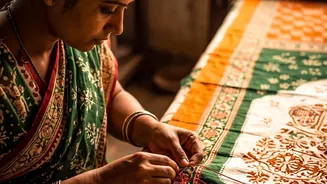
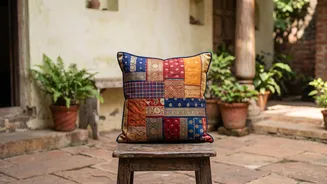
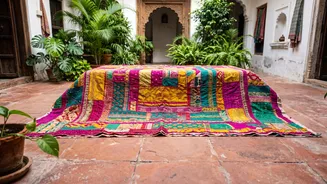
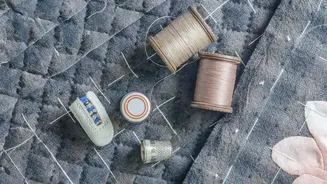
The idea of upcycling is deeply woven into India's cultural fabric. For centuries, women in Bengal have layered old saris and dhotis, stitching them together with a simple running stitch to create soft, textured quilts known as Kantha. This technique didn't just salvage worn cloth; it turned it into functional art, with intricate motifs telling stories of daily life, nature, and mythology. Similarly, in Maharashtra, the art of Godhadi involves hand-stitching old pieces of clothing into multi-layered blankets, with each one becoming a unique tapestry of a family's life. These historical practices of reuse, born from a philosophy of 'nothing wasted', provide the blueprint for today's upcycling movement, lending it authenticity and a rich heritage.
The New Faces of Upcycling
A new wave of Indian designers is leading the charge, transforming textile waste into high fashion. Brands like Doodlage, founded by Kriti Tula, were among the first to build an entire ethos around upcycling. Doodlage collects post-production scraps, dead stock, and rejected fabrics, meticulously sorting and stitching them into contemporary, limited-edition collections. Their process is a zero-waste loop, where even the smallest leftover scraps are turned into accessories or shredded to create paper for packaging. Similarly, Ka-Sha, by designer Karishma Shahani Khan, runs an initiative called 'Heart to Haat', which began as a way to manage their own production waste. This project now offers textile waste solutions to the wider industry, transforming scraps into clothing, bags, and accessories using innovative techniques. Other labels like LataSita and I Was A Sari focus specifically on pre-loved saris, turning them into dresses, jackets, and accessories, each piece carrying the unique soul of its previous life.
From Wardrobe to Workshop
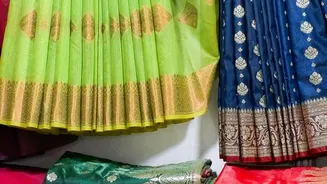
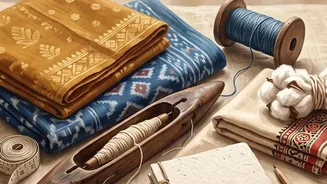
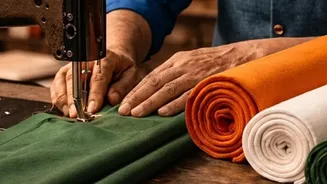
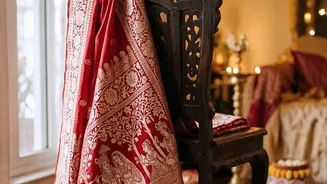
The transformation from a forgotten garment to a coveted new item is a journey of creativity. Designers source materials from various channels—post-production waste from large factories, treasured heirloom collections from individual wardrobes, and even second-hand sari vendors. Once collected, the fabrics are cleaned, sorted, and reimagined. A vibrant Banarasi sari’s pallu might become the statement panel on a modern corset or jacket. Softer cottons are patched together to create bohemian dresses and flowy tops. The design process is often led by the material itself, with the unique patterns and textures of the available fabric inspiring the final product. The results are one-of-a-kind pieces that stand in stark contrast to mass-produced fashion, offering consumers a product with a story, character, and a significantly smaller carbon footprint.
A Sustainable and Sentimental Statement
This movement is more than an aesthetic trend; it’s a powerful answer to the challenges of fast fashion. By treating waste as a resource, Indian designers are diverting thousands of kilograms of textiles from landfills. This approach not only conserves resources like water but also reduces the pollution associated with new fabric production. For the consumer, it offers a way to participate in a circular economy and own something truly unique. An upcycled garment is a conversation starter—a piece of wearable history that connects the owner to generations of Indian craftsmanship and resourcefulness. It's a style choice that feels both personal and progressive, blending a love for heritage with a commitment to a more sustainable future.