






The End of the Off-Season
For years, the monsoon meant a quiet period for India’s tourism industry. But that is rapidly changing. Recent data shows the rainy season is becoming one of the fastest-growing travel periods. Major hospitality brands report significant year-on-year
growth, with July bookings pacing ahead of previous years by as much as 10 to 17 percent. This isn't just a handful of travellers; it's a structural shift. Domestic leisure travel is no longer confined to the traditional summer and winter peaks. The monsoon has emerged as a powerful travel driver, transforming what was once a lull into a sought-after season for getaways. This newfound popularity means that the deep discounts of the past are also evolving, with hotel tariffs in popular destinations like Goa remaining surprisingly resilient due to sustained demand.
Where Is Everyone Going?
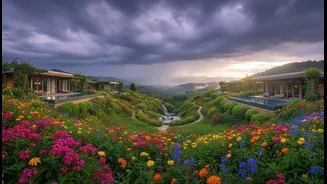
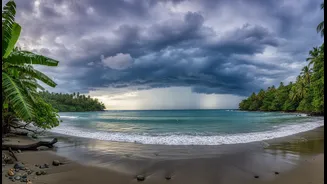
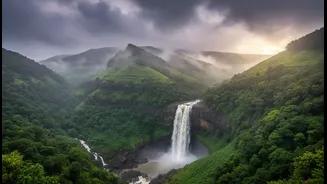
The allure of lush green landscapes, overflowing waterfalls, and misty mornings is drawing crowds across the country. Hill stations are a major beneficiary of this trend. Destinations in the Western Ghats like Lonavala, Mahabaleshwar, and Coorg are seeing booking growth of up to seven times compared to last year. Munnar and Mussoorie have recorded a staggering ten-fold increase in hotel bookings for the monsoon season. Beyond the hills, coastal regions and spiritual hubs are also popular. Goa continues to see a rise in flight and hotel searches, while cities like Rishikesh, Varanasi, and Ayodhya are experiencing steady footfall. Travellers are also exploring beyond traditional spots, with emerging mountain destinations like Tirthan Valley, Gangtok, and even parts of Nagaland and Arunachal Pradesh seeing a spike in visitors.
Your Smart Booking Strategy
With more people travelling, a smart booking strategy is essential. While last-minute trips are increasingly popular, especially among younger travellers, planning is still key to snagging a good stay. Flexibility is your best friend. If you can travel mid-week instead of on weekends, you’re more likely to find better rates and availability. While prices aren't dropping as steeply as they used to, deals are still available, especially through hotel-run campaigns and travel platform sales. Consider booking accommodations and activities separately rather than as a package, as this can offer more flexibility if plans change due to weather. And don't just look at the price; look at the cancellation policy. A flexible policy can be a lifesaver during the unpredictable monsoon.
Choosing a Monsoon-Proof Stay
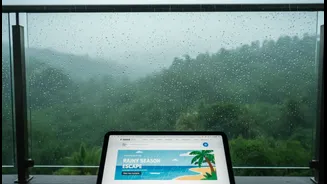
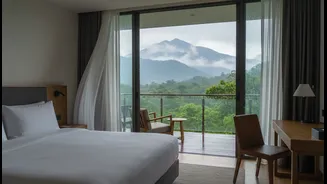
Not all hotels are created equal, especially in the rain. When booking, prioritise properties that are well-equipped for the season. Look for hotels in locations not prone to flooding or landslides, particularly in hilly areas. Essential amenities include reliable power backup and hot water, as outages can be common. Reading recent reviews is crucial to check for issues like leaks or dampness. A good monsoon hotel will also offer excellent indoor facilities. Think cozy common areas, in-house restaurants with comforting seasonal menus, and maybe even a spa or wellness centre. Many resorts now offer curated monsoon experiences like guided nature walks, cooking classes, or simply a room with a great balcony for watching the rain.
What to Pack for Your Trip
Packing correctly can make or break a monsoon holiday. Prioritise quick-dry clothing and avoid heavy fabrics like denim. Knee-length pants or capris are a practical choice to prevent the bottoms from getting soaked and muddy. A reliable raincoat and a sturdy umbrella are non-negotiable. Waterproof footwear is also essential to navigate wet and slippery paths. Don't forget a waterproof cover for your backpack or luggage to protect your electronics and other belongings. In certain forested or jungle areas, leeches can be prevalent, so long clothing, hiking boots, and even leech-repellent socks are a wise precaution. Finally, pack a small medical kit with basics, just in case.