






The Wellness Overload
Green juices, imported berries, boutique fitness classes — the modern concept of ‘wellness’ often feels like a luxury product. It’s easy to feel like you’re not doing enough if you’re not participating in the latest, most Instagrammable health trend.
This pressure can be exhausting and, frankly, impractical for most people. It creates a false narrative that feeling good is complicated and expensive. The truth is that sustainable health is built on consistent, simple habits, not fleeting fads. It’s about returning to basics and understanding what our bodies truly need to function at their best. And one of the most powerful, affordable, and practical tools for this is already a staple in Indian households.
Fibre: The Unsung Nutritional Hero
So, what exactly is fibre? Put simply, it’s a type of carbohydrate that your body can’t digest. It passes through your system relatively intact, but it performs critical jobs along the way. There are two main types: soluble fibre, which dissolves in water to form a gel-like substance (found in oats, dals, and apples), and insoluble fibre, which adds bulk to stool (found in whole grains and vegetables). The benefits are immense. Fibre keeps you feeling full for longer, which helps manage weight. It aids in maintaining stable blood sugar levels, preventing those dreaded post-meal energy crashes. Most importantly, it is crucial for a healthy digestive system, promoting regular bowel movements and feeding the good bacteria in your gut. Think of it as the foundational building block for day-to-day well-being.
Finding Fibre in Your Indian Kitchen
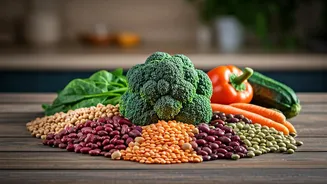
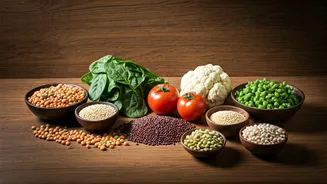
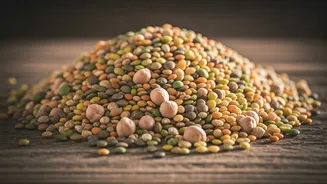
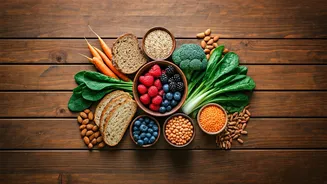
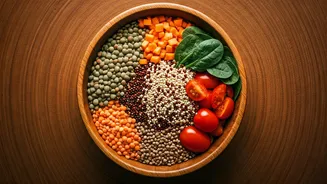
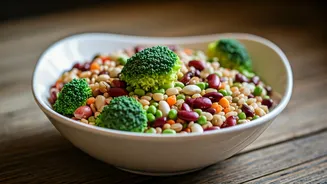
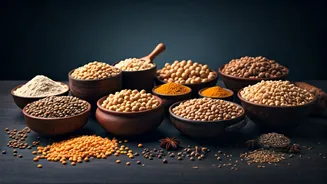
The great news is that you don't need to look for exotic ingredients. A traditional Indian diet is naturally rich in fibre if we make conscious choices. Our kitchens are treasure troves of high-fibre foods. Legumes are a powerhouse; think about our vast array of dals (lentils) like masoor and arhar, as well as rajma (kidney beans) and chana (chickpeas). Whole grains are another excellent source. Choosing whole wheat atta for rotis over maida, and incorporating millets like jowar, bajra, and ragi into your diet can significantly boost your fibre intake. Seasonal, local vegetables — from leafy greens like palak and methi to gourds like lauki and tori — are packed with it. Even common fruits like bananas, guavas, and pomegranates are fantastic sources.
Simple Swaps for a Big Impact
Increasing your fibre intake doesn't require a complete dietary overhaul. Small, consistent changes can make a huge difference. Start by swapping white rice with brown rice or adding more vegetables to your pulao. Instead of a plain paratha, try one stuffed with dal or vegetables. For breakfast, consider daliya (cracked wheat porridge) or oats instead of processed cereals. When you feel like snacking, reach for a handful of nuts, seeds, or a piece of fruit instead of packaged biscuits or chips. Another easy trick is to simply add a side salad to your lunch or dinner. These aren't drastic measures; they are simple upgrades to the meals you already eat and enjoy, making wellness feel achievable rather than aspirational.
A Gentle Reminder
As you begin to incorporate more fibre into your diet, it’s important to do so gradually. A sudden, large increase can sometimes lead to gas, bloating, or discomfort as your digestive system adjusts. Increase your intake over several weeks to give your body time to adapt. Equally important is to increase your water intake. Fibre works best when it absorbs water, which helps soften stool and allows it to pass through your system smoothly. Aim to drink plenty of fluids throughout the day. Listening to your body and making slow, steady changes is the key to long-term success.