



A Different Kind of Green
Forget the year-round availability of potatoes and tomatoes. The magic of monsoon dining lies in its ephemerality. For a few short months, local markets transform, their stalls suddenly laden with unfamiliar shapes, textures, and earthy aromas. These
are not the products of industrial agriculture but the gifts of the forest and field, foraged by local communities who know exactly when and where to look. This is produce that cannot be cultivated or coaxed into existence outside its natural cycle. Its arrival is a celebration, a direct connection to the land and its rhythms, making every meal feel like a rare occasion.
The Stars of the Season
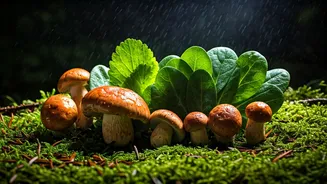
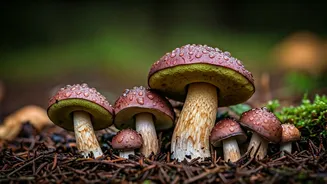
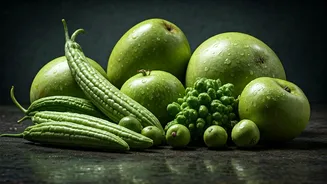
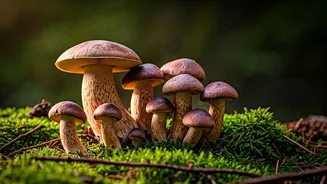
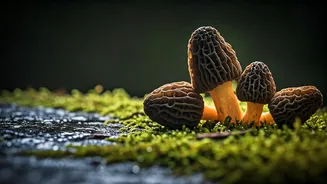
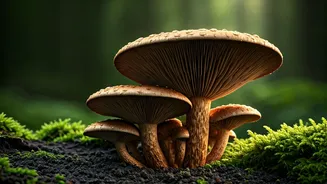
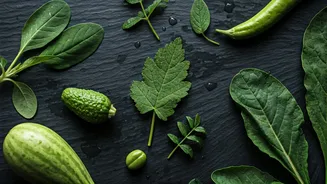
Among the most prized of these seasonal treasures are fiddlehead ferns, known as *lingdi* or *kasrod* in different regions. These tightly coiled fronds of young ferns must be harvested before they unfurl. With a unique, crisp texture and a flavour reminiscent of asparagus and green beans, they are often simply stir-fried with minimal spices to let their natural taste shine. Another monsoon celebrity is the spiny gourd, or *kantola*. This small, green, spiky vegetable looks intimidating but cooks into a deliciously tender dish. Rich in nutrients, it’s a powerhouse of health often used in curries and fries. Then there are the wild mushrooms, which spring up in damp forests, offering a meaty texture and deep, umami flavour that is worlds away from the common button mushroom. Each one tells a story of the specific soil and trees it grew near.
More Than Just a Meal
The culture around this wild produce is as rich as the food itself. Foraging is a tradition passed down through generations, an intimate form of ecological knowledge. It’s about understanding the forest, recognising edible plants from poisonous ones, and practising sustainable harvesting to ensure the bounty returns the following year. In many tribal and rural communities, these foraged greens, tubers, and fungi are not just a delicacy but a vital source of nutrition during the lean monsoon months. Cooking and eating these ingredients connects urban dwellers to a primal, seasonal clock that modern life often ignores. It’s a taste of a place, a season, and a tradition, all on one plate.
From Forest to Five-Star
This appreciation for wild, seasonal ingredients is no longer confined to home kitchens and local eateries. A growing number of chefs and high-end restaurants across India are embracing this philosophy of hyperlocal, seasonal sourcing. They are putting ingredients like *lingdi*, moringa flowers, and foraged bamboo shoots at the centre of their tasting menus. This culinary movement not only introduces these rare flavours to a new audience but also validates the traditional knowledge of the communities that have been their custodians for centuries. It elevates what was once considered rustic “peasant food” to the status of gourmet fare, celebrating its rarity and deep-rooted connection to the Indian landscape.