





From Personal Misery to Public Clue
When you suspect food poisoning, you might feel like you're on your own. But your illness could be one piece of a much larger puzzle. Health departments track reports to identify potential outbreaks. A single, detailed account can be the clue that connects
dozens of cases to a contaminated product or a specific restaurant. By reporting your illness, you help officials take action—like recalling unsafe foods or correcting poor kitchen practices—preventing countless others from getting sick. Your careful notes transform a personal ordeal into a powerful act of community service.
Create a Guest List of Eaters
The first step is to list everyone who was present for the suspected meal. This isn't just about who got sick; it's equally important to know who ate the same food and felt fine. This information helps investigators determine what specific food item was the likely culprit. In public health terms, this helps establish an 'attack rate'—the percentage of people who became ill after being exposed to a potential source. Create a simple list with names and contact information, noting for each person what they ate and whether they are experiencing any symptoms.
Build a Detailed Food Diary
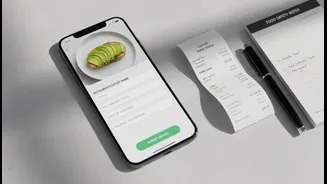
Your memory is a crucial tool. Write down everything you can remember eating and drinking in the days leading up to your illness, but focus especially on the meal you suspect caused it. Be specific. Don't just write "chicken curry"; note the type of rice, the side dishes, any chutneys or sauces, and what you had to drink. If it was a shared meal, list every dish on the table. If you have any leftovers, receipts from the restaurant or grocery store, or the original food packaging, set them aside. This evidence can be invaluable for investigators who may need to test food samples or trace a product back to its source.
Track the Critical Timeline
The timing of your symptoms is a significant clue for experts. Note the exact date and time you consumed the meal, and then record the precise time that symptoms began for each person who fell ill. The 'incubation period'—the time between eating a contaminated food and feeling sick—varies widely depending on the pathogen. For example, symptoms from Norovirus can appear within 12 to 48 hours, while Salmonella can take from six hours to six days. Some illnesses can take weeks to appear. This timeline helps narrow down the list of potential germs and, by extension, the food that carried them.
Detail Symptoms, Don't Guess the Cause
The headline says it all: record the facts, not your theories. Your job is to be a reliable witness to your own body. List all symptoms clearly: nausea, vomiting, diarrhoea, abdominal cramps, fever, or headache. Note their severity and when they started. It's tempting to search your symptoms and self-diagnose, but guessing the cause can be misleading. Leave the detective work to the professionals. They are trained to analyse the specific combination and timing of symptoms to identify the likely cause, whether it's a bacterium like E. coli or a virus.
How to Report Your Findings in India
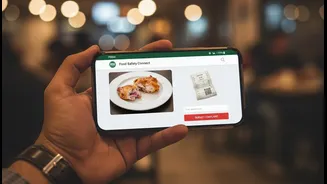
Once you have your notes organized, the next step is to report it. In India, the Food Safety and Standards Authority of India (FSSAI) is the main regulatory body. Consumers are encouraged to act as the "eyes" of food safety by reporting issues. You can lodge a complaint through the FSSAI's 'Food Safety Connect' app or their online portal. This system allows you to submit details, upload photos of the food or establishment, and track the progress of your complaint. Reporting to your local or city health department is also a crucial step, as they are often the first responders in investigating local outbreaks.