






Success Starts with the Right Home
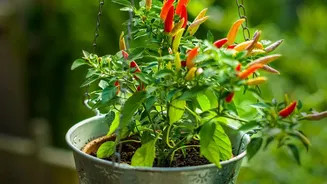
Before you even think about how much to water, look at your pot. Proper drainage is non-negotiable for chilli plants, which despise 'wet feet'. Your pot must have multiple drainage holes at the bottom. If it only has one, consider carefully drilling a few
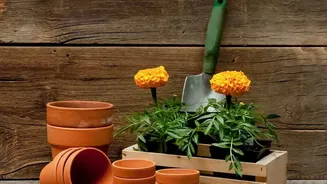
more. Terracotta or clay pots are excellent choices as their porous nature allows soil to breathe and moisture to evaporate from the sides, helping to prevent sogginess. Plastic pots are fine too, but they retain more moisture, so you’ll need to be extra vigilant. Regardless of material, a pot with a depth of at least 10-12 inches provides ample room for a healthy root system to develop without becoming cramped. Using a saucer is practical, but never let your plant sit in a pool of collected water for extended periods.
Create the Perfect Soil Foundation
The soil you use is just as critical as the pot itself. Standard garden soil is often too dense for containers and can compact easily, suffocating the roots. To prevent waterlogging, you need a light, well-draining potting mix. You can buy a quality pre-made mix, or create your own superior blend. A fantastic recipe for potted chillies is a combination of coco peat (or a peat-free compost), perlite, and compost. Coco peat helps retain some moisture without becoming heavy, while perlite—those little white volcanic rocks—creates air pockets and ensures excess water drains away freely. The compost provides a slow release of essential nutrients. This trio creates a balanced environment where roots can access water, nutrients, and, crucially, oxygen.
The Golden Rule of Watering
Forget a strict schedule like 'water every two days'. The single most important technique is to check the soil first. The 'finger test' is your most reliable guide: stick your index finger about an inch or two into the soil. If it feels dry at that depth, it’s time to water. If it still feels moist, wait another day and check again. When you do water, do it thoroughly. Pour water slowly and evenly over the soil surface until you see it running out of the drainage holes at the bottom. This ensures the entire root ball is hydrated. After this deep soak, allow the top layer of soil to dry out before watering again. This wet-and-dry cycle is what chilli plants love.
Signs of Overwatering to Watch For
Overwatering is more dangerous than underwatering for chillies. The symptoms can be confusing because a waterlogged plant often looks like a thirsty one. The key sign is drooping, yellowing leaves even when the soil is wet. This happens because the roots are suffocating and can no longer absorb water or nutrients effectively, leading to root rot. You might also notice mushy stems near the soil line, a musty or sour smell from the pot, or even mould growing on the soil surface. If you see these signs, stop watering immediately and ensure the pot has excellent drainage. You may need to gently repot the plant into fresh, drier soil if root rot has set in.
Recognising an Underwatered Plant
An underwatered chilli plant is usually easier to diagnose and fix. The most obvious sign is wilting or drooping leaves, but the soil will be bone-dry to the touch. Unlike an overwatered plant, a thirsty plant's leaves will feel soft and limp, not mushy. Another key difference is how quickly it recovers. If you give a thirsty, wilted plant a good drink, it will typically perk up within a few hours. However, don't make a habit of letting it get to this stage, as consistent underwatering stresses the plant, leading to smaller fruit and flower drop. During the hottest part of a summer day, it is normal for leaves to droop slightly to conserve water; they should recover as temperatures cool in the evening.
Adjusting to Climate and Season
Your watering frequency will change depending on the weather and the plant's size. During a hot Indian summer, a potted chilli in direct sun might need watering every day or even twice on exceptionally hot days. Container plants dry out much faster than those in the ground. Conversely, during the cooler monsoon season, with higher humidity and less direct sun, you will need to reduce watering significantly, perhaps to once every few days. Always rely on the finger test rather than the calendar. It's best to water in the early morning or late evening to minimise evaporation and prevent the sun from scorching wet leaves.