

Implement a Post-Walk Paw Cleaning Ritual
Your pet’s paws are on the frontline, coming into direct contact with muddy, contaminated water that can harbour harmful bacteria and allergens. This makes cleaning their paws after every single walk a non-negotiable task during the monsoon. Trapped moisture
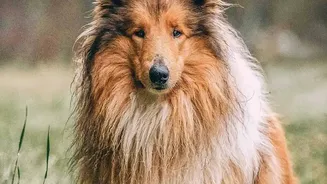
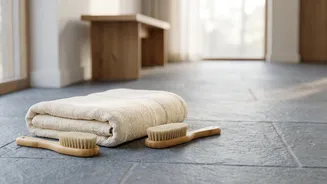
and dirt between the toes can lead to painful fungal and bacterial infections, sometimes called interdigital furunculosis. The routine doesn't have to be complicated. Use a soft cloth dampened with lukewarm water to gently wipe down each paw, paying close attention to the spaces between the pads. The most critical step, however, is drying. Thoroughly dry their paws with a clean towel, as lingering dampness is a primary cause of skin issues. For long-haired breeds, consider trimming the fur between their paw pads to prevent mud from caking and to make cleaning easier.
Master the Art of Keeping Fur Dry
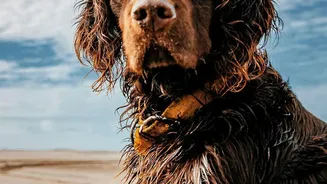
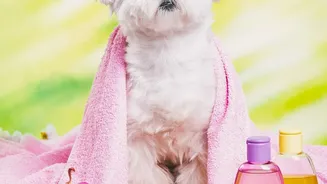
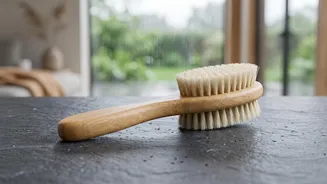
A damp coat is a welcome mat for skin problems. The constant humidity, combined with getting wet from rain, creates a warm, moist environment on your pet's skin—the perfect breeding ground for yeast and bacteria. This can lead to conditions like acute moist dermatitis (hot spots) or fungal infections, which cause intense itching, redness, and a musty odour. After any exposure to rain, even a short drizzle, it's crucial to dry your pet thoroughly. Start with an absorbent microfibre towel, focusing on the belly, groin, armpits, and under the collar. For pets with thick or double coats, a pet-friendly hair dryer on a low heat setting can be a lifesaver to ensure the undercoat is completely dry. Regular brushing also helps improve air circulation and allows you to spot any early signs of skin irritation.
Stay Vigilant with Tick and Flea Prevention
Monsoon is peak season for ticks and fleas. These parasites thrive in the warm, humid conditions and can transmit serious diseases. It is essential to continue with your vet-recommended tick and flea prevention program without fail. After walks, especially through grassy or wooded areas, perform a thorough check of your pet’s entire body. Pay special attention to areas where ticks love to hide: in and around the ears, between the toes, in the armpits, and under the tail. Keeping your home environment clean is also part of the strategy. Wash your pet’s bedding frequently in hot water and vacuum carpets and furniture regularly to eliminate any pests that may have been brought indoors.
Make Smart Monsoon Dietary Adjustments
A pet's digestive system can be more sensitive during the monsoon. With reduced physical activity due to fewer outdoor excursions, they may not need as many calories. This is a good time to focus on easily digestible meals. A diet rich in fibre can help maintain good gut health. Simple, home-cooked meals like boiled chicken with rice and vegetables such as pumpkin or carrots can be gentle on the stomach. Hydration remains crucial; ensure your pet always has access to fresh, clean drinking water. To prevent water-borne illnesses, it's advisable to offer boiled or filtered water and to wash their food and water bowls daily. Avoid letting your pet drink from puddles, which can be contaminated.
Boost Indoor Enrichment and Activity
Fewer walks mean your pet has excess energy and can become bored or anxious, which can sometimes lead to destructive behaviours. Keeping them mentally and physically stimulated indoors is key to their well-being. Engage them with interactive puzzle toys, which make them work for their treats and provide excellent mental exercise. Short, fun training sessions to teach new tricks can also burn mental energy. Games like indoor fetch with a soft toy or a gentle game of tug-of-war are great for physical activity. Scent games, where you hide treats around the house and encourage your pet to find them, tap into their natural instincts and are a fantastic way to keep them occupied on a rainy day.