



Mandu, Madhya Pradesh: The City of Joy
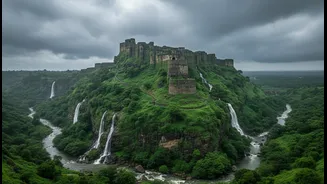
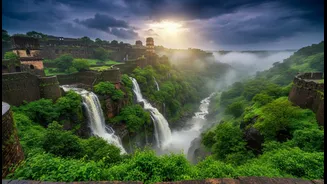
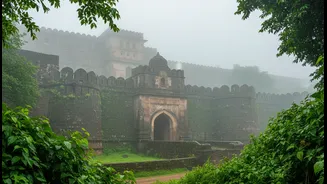
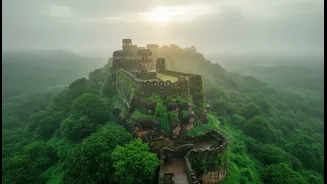
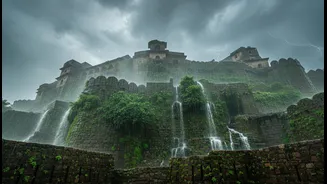
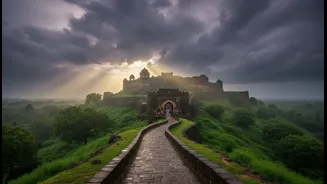
During the monsoon, the ancient city of Mandu in Madhya Pradesh truly earns its nickname, 'City of Joy' (Shadiabad). The entire plateau, dotted with Afghan architectural marvels, becomes a canvas of vibrant green. The iconic Jahaz Mahal, a 120-metre-long
palace built between two artificial lakes, appears as if it's a ship floating on water as the tanks fill with rain. The rain-washed stone of Rani Roopmati's Pavilion, Baz Bahadur's Palace, and the grand mosques takes on a dark, dramatic hue, while clouds drift lazily through their arches. The atmosphere is thick with romance and history, and the otherwise arid landscape turns into a paradise of cascading waterfalls and verdant valleys, just as Emperor Jehangir once described it. For visitors, this means fewer crowds and a chance to experience these monuments in a serene, almost spiritual setting. The local cuisine also comes alive, with stalls offering hot, freshly fried snacks perfect for a rainy day.
Sinhagad Fort, Maharashtra: A Trek Through the Clouds
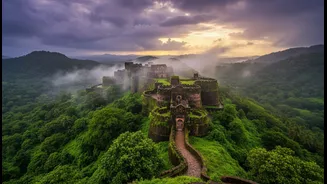
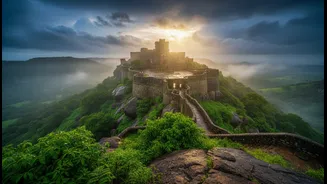
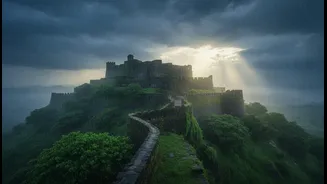
For trekkers and history enthusiasts in Western India, the monsoon is synonymous with a trip to Sinhagad Fort near Pune. The once-dry hills of the Sahyadris transform into a lush, green wonderland. The trek to the top becomes an adventure in itself, with trails winding through thick fog, past small waterfalls, and alongside vendors selling hot chai and kanda bhajji (onion fritters). At an elevation of 1,312 metres, the fort offers panoramic views of the surrounding valleys, often with clouds sweeping in below you, creating a feeling of walking in the sky. The fort, famous for the historic Battle of Sinhagad in 1670, feels especially atmospheric when its crumbling ramparts are shrouded in mist. However, travellers should be cautious; heavy rains can make trails slippery, and authorities sometimes close the fort for safety. Recent closures on July 6th and 7th, 2026, due to a red alert highlight the need to check local advisories before planning a trip.
Kumbhalgarh Fort, Rajasthan: A Green Oasis in the Desert State
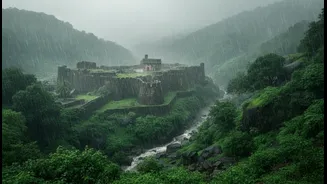
While Rajasthan is known for its arid landscapes, the monsoon brings a surprising and dramatic change, especially at Kumbhalgarh Fort. This UNESCO World Heritage site, boasting the second-longest continuous wall in the world, is set amidst the Aravalli Hills, which turn a striking green during the rains. The light drizzle and swirling mist add a magical quality to the formidable Rajput fortress, making it feel like a kingdom from a fantasy epic. Exploring its vast ramparts, temples, and palaces during a light shower is a unique experience, offering a stark contrast to the scorching heat that defines the region for most of the year. The replenished lakes and the green hills provide a stunning backdrop to the fort's architecture, making it a photographer's dream. It's a chance to see a completely different side of Rajasthan, where the desert state reveals its secret, verdant heart.
Raigad Fort, Maharashtra: The Maratha Capital in the Mist
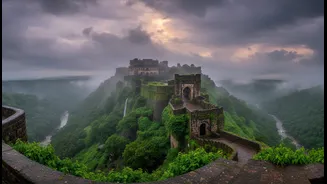
Once the capital of Chhatrapati Shivaji Maharaj's Maratha Empire, Raigad Fort is a majestic destination high in the Sahyadri mountains. The monsoon transforms this historical stronghold into an ethereal realm. Visitors can reach the top via a thrilling ropeway ride over cloud-filled valleys or by trekking the approximately 1,700 steps through dense, rain-fed forests and past gushing waterfalls. During the rains, the ruins of palaces, markets, and reservoirs take on a mysterious and grand character. The view from points like Takmak Tok is spectacular, with a sea of green valleys often hidden under a thick blanket of fog. The fort is a testament to Maratha engineering, with its impressive fortifications and water systems still visible. A visit during the monsoon is not just a trek; it’s a journey back in time, experiencing the capital of an empire at its most atmospheric.
Monsoon Travel Safety Tips
While travelling during the monsoon can be magical, it requires preparation. Always check weather forecasts and local advisories, as heavy rains can cause landslides and road closures. Pack quick-drying clothes, a sturdy raincoat, and waterproof footwear with a good grip. Keep your electronics in waterproof bags or ziplock pouches. Be cautious with street food to avoid water-borne illnesses; stick to freshly cooked hot meals. Carry a basic first-aid kit, insect repellent, and any personal medications. Finally, be flexible with your itinerary, as weather-related delays are common. Embracing the unpredictable is part of the monsoon travel adventure.