







The October Sweet Spot
October is a 'shoulder season' for travel in India. It sits perfectly between the monsoon off-season and the peak winter tourist rush that begins from November. For budget travellers, this means enjoying the best of both worlds: comfortable weather and more
competitive prices for hotels and activities. However, this advantage can be quickly lost if you don't plan your transportation wisely. While accommodation costs may be lower, transport fares can still fluctuate wildly. The key to an affordable October trip is to lock in the lowest possible travel costs first, creating a solid foundation for the rest of your budget. It's important to be aware of festival schedules, as major celebrations like Navratri and Dussehra, which fall in October 2026, can cause temporary spikes in demand and prices on popular routes.
Decoding Air Travel
Flights are often the biggest single expense on any itinerary. For domestic travel within India, the sweet spot for booking is typically 21 to 45 days in advance. Booking within this window helps you avoid the premium prices of last-minute tickets and the often non-competitive fares listed too far in advance. October generally sees lower demand for flights compared to the peak holiday months of December and January. To maximise savings, try to be flexible with your travel dates. Flying mid-week (Tuesday or Wednesday) is often cheaper than on weekends, when many people travel for short getaways. Use fare comparison websites, but also check the websites of budget carriers directly, as they sometimes offer exclusive deals. Remember, the goal isn't just to find a cheap ticket, but to find one that doesn't involve inconveniently early or late departure times that add extra costs for taxis.
The Unbeatable Value of Indian Railways
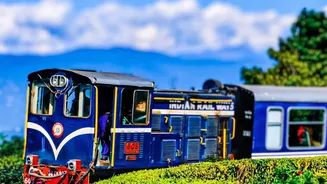
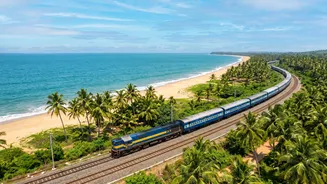
For long-distance travel, nothing beats the cost-effectiveness of Indian Railways. It is the backbone of budget travel in the country, connecting major cities and remote towns at highly subsidised fares. An overnight journey in a Sleeper Class (SL) or even a 3AC (third-tier air-conditioned) coach can cost a fraction of a flight ticket and also saves you the cost of one night's accommodation. However, the biggest challenge with train travel is availability. Tickets on popular routes sell out weeks, if not months, in advance. Indian Railways has an advance reservation period (ARP) of 60 days for most regular trains. Bookings open at 8 AM, and for high-demand routes, especially around festival dates like Dussehra, tickets can be gone in minutes. If you want to leverage the incredible value of train travel, you must plan ahead and book your tickets the day the reservation window opens.
The Rise of the Budget Bus
Don't underestimate the bus. In recent years, the quality and network of private bus services in India have improved dramatically. For shorter to medium distances (100–500 km), buses are often more convenient than trains. They offer greater frequency, and you can usually book a seat just a few days in advance. Many operators now run fleets of modern air-conditioned Volvo or semi-sleeper buses for overnight journeys, complete with reclining seats and charging ports. These services are particularly useful for connecting towns that don't have good rail connectivity. Platforms like redBus and AbhiBus have made it easy to compare prices and services from hundreds of operators, both state-run and private, ensuring you find a comfortable ride that fits your budget.
When Cabs and Rentals Make Sense
While typically not the cheapest option for a solo traveller, renting a car or hiring an outstation cab can be surprisingly economical for small groups. When travelling with three or four people, the cost per person for a cab on a route like Delhi to Agra or Mumbai to Lonavala can be comparable to 3AC train tickets, but with the added convenience of a door-to-door journey and the flexibility to stop wherever you like. This is particularly useful when exploring areas with multiple attractions spread out, where relying on local transport would be time-consuming and complicated. However, remember to account for extra costs like tolls, state permits, and driver allowances when calculating the final price.