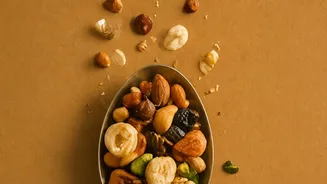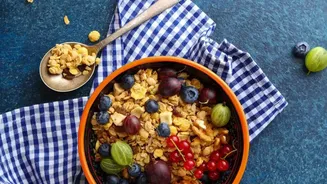






Starting your day with a balanced breakfast is crucial for managing diabetes. A simple sprinkle of nutrient-dense seeds can make a world of difference by helping to stabilize blood sugar, increase satiety, and provide essential nutrients.
Chia Seeds: The Fibre Powerhouse
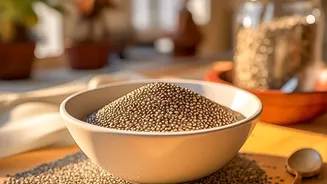
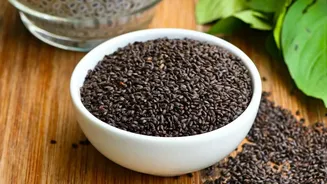
These tiny black
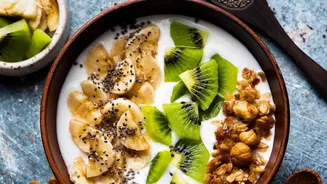
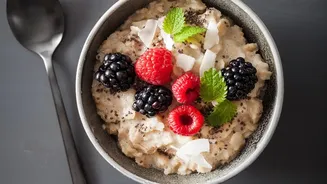
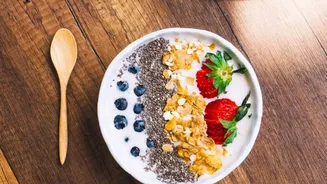
and white seeds are exceptionally high in soluble fibre, which is a major benefit for blood sugar control. When chia seeds mix with liquid, they form a gel-like substance in your stomach. This process slows down digestion and the absorption of carbohydrates, preventing sharp spikes in blood glucose after a meal. Studies have shown that their low glycemic index and ability to improve insulin sensitivity make them a smart choice. For an easy breakfast, stir one or two tablespoons into oatmeal, yoghurt, or blend them into a smoothie. You can also prepare an overnight chia seed pudding by soaking them in milk or a milk alternative.
Flax Seeds: Rich in Healthy Fats
Flax seeds are a fantastic source of alpha-linolenic acid (ALA), a type of plant-based omega-3 fatty acid known for its anti-inflammatory properties that can support heart health. For people with diabetes, who have a higher risk of cardiovascular issues, this is a significant benefit. Similar to chia seeds, flax is packed with fibre, which aids in slowing sugar absorption and promotes a feeling of fullness, helping with weight management. Research suggests that regular consumption may help reduce fasting blood sugar and HbA1c levels over time. To get the most benefit, it is best to consume flax seeds ground, as the whole seeds can pass through your digestive system undigested. Sprinkle ground flaxseed over your cereal, mix it into muffins, or add it to your morning smoothie.
Pumpkin Seeds: A Magnesium Boost
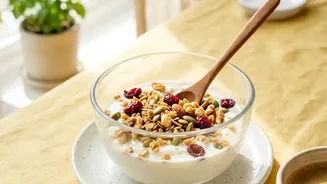
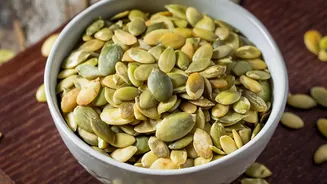
Pumpkin seeds are not just a seasonal treat; they are a nutrient-dense food that offers benefits year-round. They are an excellent source of magnesium, a mineral that plays a vital role in the body's glucose control and insulin function. Many people with diabetes have low magnesium levels, so incorporating magnesium-rich foods is important. These seeds are also low in carbs and high in fibre and healthy fats, a combination that has a minimal impact on blood sugar levels. One study even found that adding pumpkin seeds to the diet led to better blood sugar outcomes. Enjoy a small handful of raw or lightly roasted pumpkin seeds as a snack, or sprinkle them on top of cottage cheese or a bowl of oats for added crunch and nutrition.
Sunflower Seeds: Packed with Vitamin E
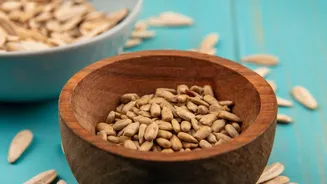
Sunflower seeds are another excellent low_carb option that can be easily added to a diabetes_friendly diet. They are particularly rich in vitamin E, a powerful antioxidant that helps reduce inflammation, which is often a concern for individuals with diabetes. The combination of healthy fats, protein, and fibre in sunflower seeds helps slow digestion, promoting stable blood sugar levels after meals. Some clinical research has shown that daily consumption of sunflower seeds was associated with a significant decrease in fasting blood sugar levels. Add unsalted sunflower seeds to salads, mix them into yoghurt, or use them to create a homemade seed butter.
Sesame Seeds: Full of Lignans and Minerals
Often used as a topping or to make tahini, sesame seeds are small but mighty. They contain unique plant compounds called lignans, as well as fibre and healthy fats, which may contribute to better blood sugar management. Studies have suggested that compounds in sesame can improve insulin sensitivity and that regular consumption might help lower fasting blood sugar and HbA1c. They are also a good source of minerals like magnesium and iron. You can sprinkle sesame seeds onto avocado toast, blend tahini into a breakfast smoothie for a creamy texture, or add them to a savoury breakfast bowl.