





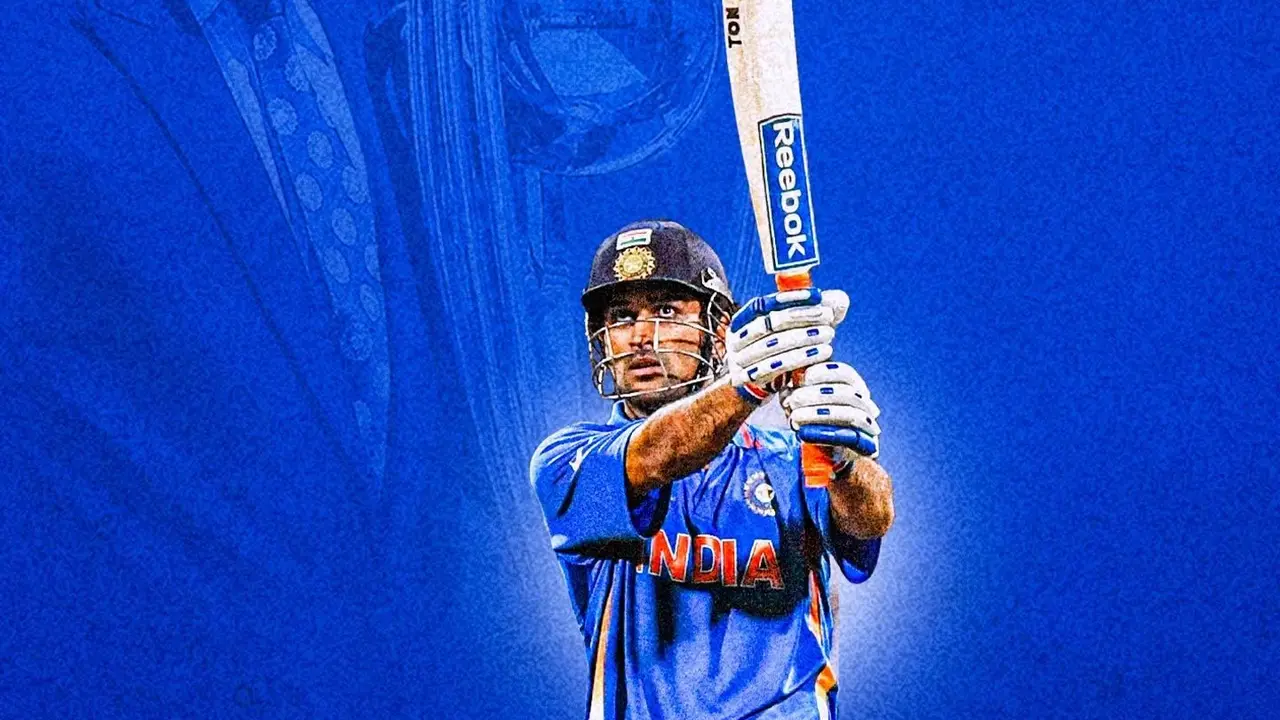
A New Captain, A New Hope
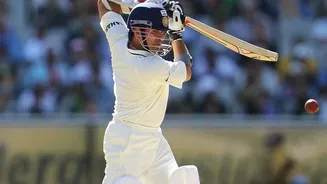
The context for India's 2007 T20 World Cup campaign was grim. The national side was still reeling from a disastrous exit at the 50-over World Cup just months earlier. With senior stalwarts like Sachin Tendulkar, Rahul Dravid, and Sourav Ganguly opting
out of the new, uncertain T20 format, the selectors handed the captaincy to a young, long-haired wicketkeeper: Mahendra Singh Dhoni. The team was inexperienced, expectations were low, and T20 cricket itself was a novelty for India, which had played only one international match in the format before the tournament. Yet, this clean slate proved to be a blessing. Free from the weight of past failures, a young squad arrived in South Africa ready to play a fearless, instinctive brand of cricket.
The Journey of a Thousand Thrills
India's campaign was anything but smooth, which made it all the more captivating. It started with a tied group match against arch-rivals Pakistan, decided by a nail-biting bowl-out—a format similar to a penalty shootout—which India won 3-0. That victory set a resilient tone. The tournament’s most explosive moment came against England in the Super 8s. An on-fire Yuvraj Singh, after a verbal spat with Andrew Flintoff, smashed Stuart Broad for six sixes in a single over, a historic feat that also saw him race to a fifty in just 12 balls. This aggressive display was followed by a powerful semi-final performance against the mighty Australians, where Yuvraj's blistering 70 off 30 balls helped India secure a 15-run victory and a place in the final.
The Final Showdown
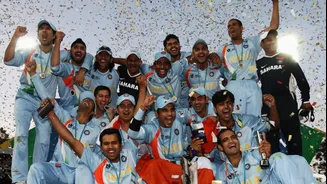
The final on September 24 was the ultimate showdown: India versus Pakistan. Batting first, India found themselves in early trouble. It was Gautam Gambhir who anchored the innings with a masterful and crucial 75 from 54 balls, holding the top order together even as wickets fell around him. A late burst from a young Rohit Sharma helped push India’s total to a competitive 157/5. In response, Pakistan's run chase was a rollercoaster. Fine spells from R.P. Singh and Irfan Pathan, who was named Player of the Match for his figures of 3/16, left Pakistan struggling at 104 for 7. But then, Misbah-ul-Haq began a stunning counter-attack that brought Pakistan to the very brink of victory.
The Over That Stopped a Billion Hearts
With Pakistan needing 13 runs from the final over, Dhoni made a shocking decision. He tossed the ball to the inexperienced medium-pacer Joginder Sharma instead of the veteran Harbhajan Singh. The gamble seemed to backfire. After a wide and a dot ball, Joginder’s next legal delivery was hit for a massive six by Misbah. The equation came down to six runs needed from four balls. The pressure was immense. Joginder bowled the next ball full, and Misbah attempted a scoop shot over short fine-leg. For a moment, it looked like it might be the winning shot. But the ball went high into the air and nestled safely into the hands of Sreesanth. India had won by five runs.
A Victory That Forged a New Era
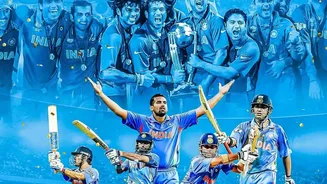
The 2007 T20 World Cup win was more than just a trophy; it was a revolution. It marked India's first major global title since 1983 and washed away the disappointment of the ODI World Cup. The victory cemented MS Dhoni's status as 'Captain Cool' and launched a new era of leadership that would bring India two more ICC trophies. Most significantly, the wild popularity of the win created a fertile ground for the launch of the Indian Premier League (IPL) in 2008. The IPL would go on to revolutionise the sport, create a new generation of T20 superstars, and establish India as the commercial and competitive epicentre of world cricket. That one night in Johannesburg didn't just win a cup; it redrew the map of the cricketing world.