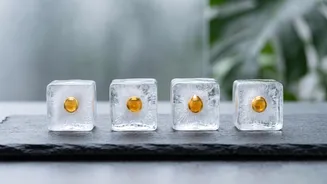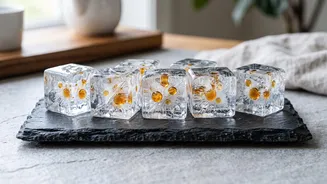


The internet is full of tempting DIY beauty hacks, and retinol ice cubes are the latest to go viral. But while rubbing a frozen cube on your face feels refreshing, this trend lacks the scientific backing of professionally formulated retinoid products.
The Chilling Truth About This Viral Hack
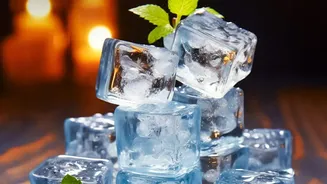
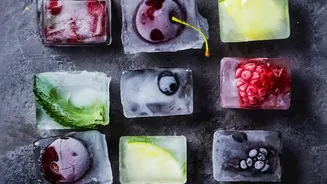
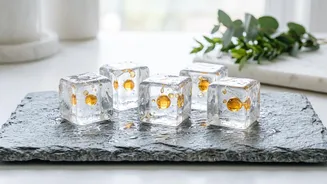
Social media feeds are buzzing with a seemingly brilliant skincare shortcut: mixing a retinol serum with water, freezing it into cubes, and applying it directly to the skin. Proponents claim this 'skin-icing' method combines the anti-ageing power of retinol with the depuffing, pore-tightening benefits of cold therapy. The idea is simple and affordable, which explains its rapid spread. However, just because a trend is popular doesn't mean it's effective or even safe. When it comes to powerful active ingredients like retinol, understanding the science is crucial, and this DIY hack overlooks the fundamental chemistry of what makes retinoids work.
Why Retinol Is a Delicate Ingredient
Retinol and its more potent prescription cousins, collectively known as retinoids, are notoriously unstable molecules. They are highly sensitive to light, air (oxygen), and heat. This is why you'll almost always find them packaged in opaque, airless pump containers. Exposure to these elements causes retinol to degrade, or oxidize, rendering it less potent and potentially more irritating. Mixing retinol with water and freezing it introduces several problems. The process of freezing and thawing can destabilize the formula. Furthermore, water-based DIY concoctions lack the necessary preservatives, creating a breeding ground for bacteria and fungi, which can lead to skin infections.
The Science of Formulation
There's a reason cosmetic chemists spend years developing retinoid products. Creating an effective formula is a complex balancing act. To protect the fragile retinol molecule, formulators use sophisticated techniques like encapsulation, where the retinol is enclosed in a protective shell that releases it slowly into the skin. This not only enhances stability but also improves tolerability, reducing the infamous redness and peeling associated with retinoids. These products are also formulated at a specific pH level (usually between 4.5 and 6.5) to ensure the ingredient remains stable and effective. A DIY mixture of retinol and water has none of these safeguards, meaning the active ingredient likely degrades long before it can benefit your skin.
Risks of DIY Skincare
Beyond being ineffective, DIY skincare carries real risks. Applying homemade mixtures can lead to skin irritation, allergic reactions, and even chemical burns, as the concentration of active ingredients is unknown and uncontrolled. Using ingredients like lemon juice or baking soda, common in other DIY recipes, can disrupt the skin's natural pH balance and damage its protective barrier. Applying ice directly to the skin can also cause a form of burn or damage to delicate capillaries if held in one place for too long. When it comes to a powerful ingredient like retinol, these risks are magnified.
The Proven Power of Approved Retinoids
When used correctly, clinically tested and approved retinoid products deliver powerful results. They work by binding to receptors in skin cells, which accelerates cell turnover, boosts collagen production, and helps unclog pores. This process leads to a visible reduction in fine lines, improved skin firmness, a more even skin tone, and fewer acne breakouts. For those new to retinoids, dermatologists recommend starting with a low concentration a few nights a week and gradually increasing usage as the skin adapts. It's also essential to wear a broad-spectrum sunscreen daily, as retinoids can make the skin more sensitive to the sun.