



The Problem with 'Ultra-Processed'
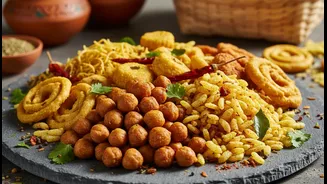
Before we celebrate our local heroes, it’s important to understand the villain of this story: ultra-processed products (UPPs). According to the widely used NOVA food classification system, these aren't just foods with a little added salt or sugar. UPPs are industrial
formulations made from substances extracted from foods or synthesized in labs. Think long ingredient lists with things you wouldn't find in a home kitchen, like hydrogenated oils, protein isolates, and artificial flavours, colours, and sweeteners. These products are designed to be hyper-palatable and have a long shelf life. A growing body of research links high consumption of UPPs to increased risks of obesity, type 2 diabetes, heart disease, and other chronic conditions. The convenience of a packet often comes at a hidden health cost.
The Protein Power in Our Pantry
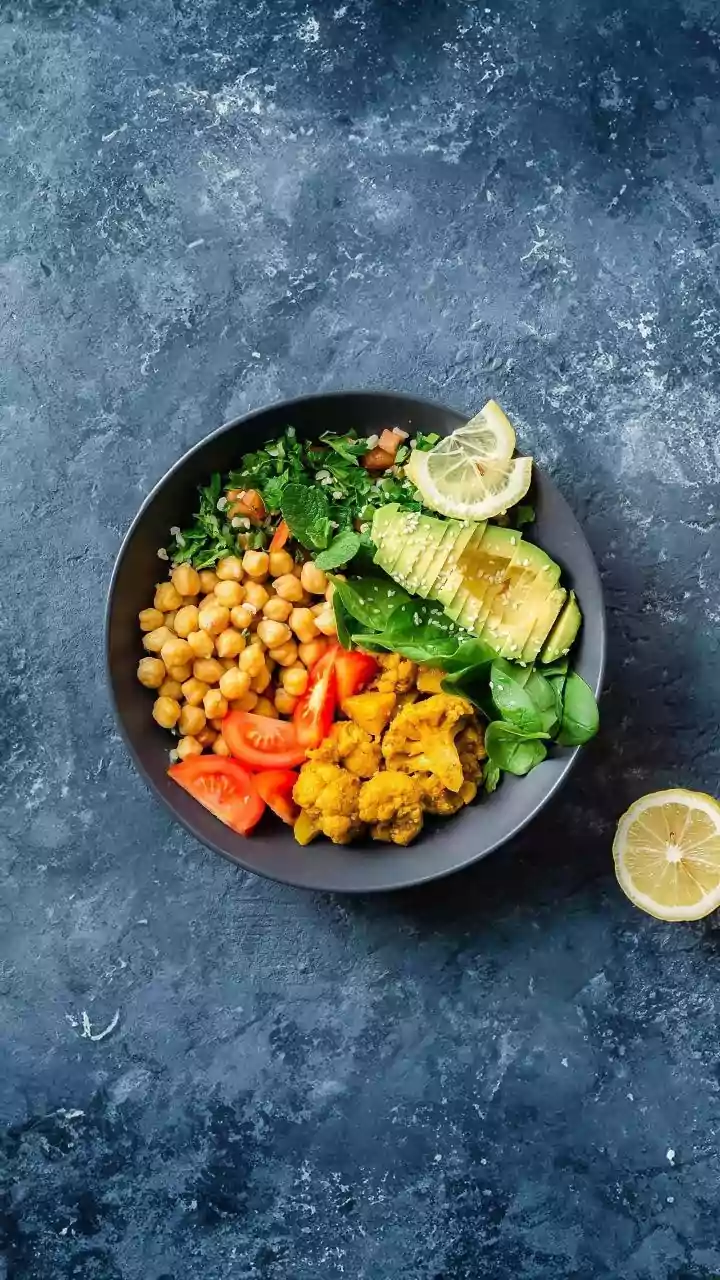
The secret to healthy Indian snacking lies in ingredients we've used for generations. Our traditional food wisdom is built around pulses—lentils (dal), chickpeas (chana), and beans (rajma)—which are nutritional powerhouses. These legumes are excellent sources of plant-based protein, dietary fibre, and essential minerals like iron and folate. A single cup of cooked chickpeas offers around 15 grams of protein, while lentils are similarly potent. This combination of protein and fibre is key to feeling full and satisfied, helping to curb cravings and prevent overeating. Ingredients like paneer (Indian cottage cheese), peanuts, seeds, and millet (jowar, bajra) are also fantastic protein sources that form the base of many beloved snacks.
Wholesome Snacks to Make and Enjoy
Turning these ingredients into delicious, high-protein snacks is easier than you think. Many traditional recipes are naturally healthy and minimally processed. Consider the humble Dhokla from Gujarat; it's made from a fermented batter of gram flour (besan), steamed, and packed with protein. Similarly, a Moong Dal Chilla or a Besan Chilla is a savoury pancake that’s quick to make, customisable with vegetables, and full of protein and fibre. Other fantastic options include Sprouts Chaat, which is brimming with live enzymes and nutrients, and Paneer Tikka, where cubes of protein-rich paneer are marinated in yoghurt and spices and grilled instead of fried. Even a simple bowl of roasted chana or kala chana chaat can be a deeply satisfying and nutrient-dense snack.
Smart Swaps for Healthier Snacking
The key difference between a healthy snack and an ultra-processed one often comes down to its preparation. A homemade samosa, while fried, is still made from whole ingredients. A frozen, packaged samosa, however, might contain preservatives, emulsifiers, and other additives that place it in the UPP category. The solution is often to go back to basics. Opt for homemade versions whenever possible. Swap deep-frying for baking, air-frying, or pan-roasting. For example, instead of fried pakoras, try making baked dal-wadas or paneer tikkis. When buying packaged goods, become a label detective. Look for short ingredient lists with recognisable, whole-food items. If the list is long and full of chemical-sounding names, it's likely an ultra-processed product. Choosing snacks made from millets or whole grains over refined flour can also significantly boost their nutritional profile.