






Why Are Prices Going Up Again?
The primary reason for the latest price hike, which will take effect from September 1, 2026, is the rising cost of raw materials. Automakers refer to this as an increase in "input costs." Think of everything that goes into making a car: steel, aluminium,
copper, rubber, and precious metals like platinum and rhodium for catalytic converters. Global geopolitical uncertainty and sustained inflationary pressures have driven up the prices of these essential commodities. Tata Motors has stated that while it is absorbing a significant portion of these increased costs, it has become necessary to pass a part of the burden onto customers to maintain business viability. This isn't a decision made in isolation; it reflects a broader trend, with competitors like Hyundai and Maruti Suzuki also announcing similar price increases for the same reasons.
How Much More Will a Tata Car Cost?
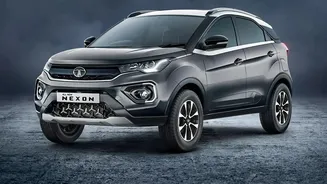
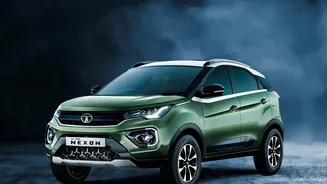
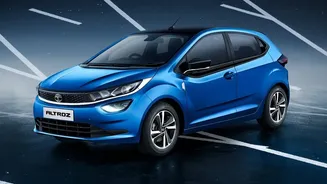
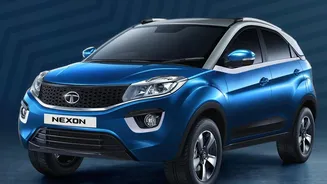
Tata Motors has announced an increase of up to Rs 25,000. It's important to note the phrase "up to." This is not a flat increase across all models. Instead, the price revision will vary depending on the specific model and variant. Typically, this means that entry-level models like the Tiago or Punch will see a smaller price jump, while more expensive SUVs like the Harrier and Safari will likely experience a hike closer to the Rs 25,000 mark. The increase will apply to both its internal combustion engine (ICE) vehicles, like petrol and diesel cars, and its popular electric vehicle (EV) lineup. This is the third time Tata has increased prices in 2026, following smaller percentage-based hikes earlier in the year.
What This Means for Your Purchase
If you are planning to buy a Tata car, the impact of this hike depends on your timing. For customers who have already booked their vehicle and are awaiting delivery, the price at the time of invoicing usually applies. It is best to check with your dealership, as some have price protection policies that shield early bookings from subsequent hikes. For those planning to buy in September or later, you will have to pay the new, higher prices. An increase in the ex-showroom price also has a knock-on effect. Higher ex-showroom prices lead to higher on-road costs, as registration fees and insurance premiums are often calculated as a percentage of the vehicle's price. This can also mean a slightly higher equated monthly instalment (EMI) if you are taking out a loan.
Is This a New Trend?
Frequent price revisions are becoming the new normal in the Indian auto industry. For years, manufacturers would typically adjust prices once a year. However, due to volatile commodity markets and supply chain pressures, carmakers are now opting for smaller, more frequent hikes to calibrate costs without severely impacting demand. Analysts note that while the Indian auto market has shown resilience, with strong sales growth over the last year, sustained price increases could start to affect affordability, especially in the budget-friendly small car segment. Most automakers, including Tata, maintain that they are only passing on a fraction of the cost increases and are also focusing on internal cost reduction measures to absorb the pressure.