





The Hidden Saboteur in Your Kitchen
In the world of cooking and especially baking, precision is paramount. Baking is a science that relies on specific chemical reactions between ingredients. An imbalance, even a small one, can have a dramatic impact on the final result. Too much flour can lead
to a dry, dense cake, while not enough sugar can affect not just sweetness but also moisture and texture. When the lines on your measuring cups fade, you start to guess. That 'half-cup' of flour might become two-thirds, and that 'one-cup' of milk might be slightly less. These seemingly minor deviations throw off the delicate balance of a recipe, turning what should be a fluffy naan or a perfectly sweet kheer into a disappointing kitchen mishap. Without clear markings, your measuring cup is no longer a tool of precision but an instrument of chance.
Why Markings Vanish Over Time
The disappearing act of measuring lines isn't magic; it's a result of wear and tear. The primary culprits are often modern conveniences. Dishwashers, with their high temperatures and harsh detergents, are notorious for stripping the printed-on markings from glass and plastic cups. In fact, this issue has become so prevalent that it has even led to class-action lawsuits against major brands. Abrasive sponges and scrubbing powders used during hand-washing can also scratch and erode the markings. Over time, even with careful use, repeated washing and exposure to various ingredients can cause the ink to fade and peel. The quality of the product itself plays a huge role; some brands use lower-quality materials for their markings that are simply not designed to last.
A Quick Accuracy Audit
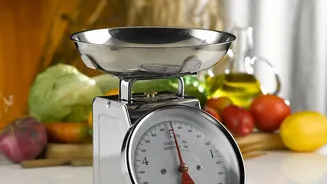
How can you be sure your measurements are still accurate? First, perform a simple visual inspection. Are the lines clear, sharp, and easy to read? If you find yourself squinting or holding the cup up to the light, it's a red flag. For a more definitive test, you'll need a kitchen scale. This is the most accurate way to measure ingredients, as volume can be inconsistent. To check your cup, place it on the scale and zero it out. Now, fill the cup with water to the 1-cup line. One cup of water should weigh approximately 236 grams. If your scale shows a significantly different number, your measuring cup is likely inaccurate. For smaller measurements, like tablespoons and teaspoons, it's more difficult to test without lab-grade equipment, but if their markings are fading, it's safest to assume they are also becoming unreliable.
Choosing Tools Built to Last
When it's time to replace your faded tools or invest in a new set, look for features that promise longevity. The best options have markings that are etched or embossed directly into the material rather than printed on the surface. These engraved measurements cannot wear off. Stainless steel measuring cups and spoons are a fantastic, durable choice for this reason. For glass liquid measuring cups, seek out brands known for high-quality, fired-on markings that are more resistant to fading. Some older PYREX-branded cups (often found in thrift stores and distinguished by all-caps lettering) are reputed to be more durable than some newer 'pyrex' versions. Ultimately, investing in a set with permanent markings is the most frugal and reliable choice in the long run.
Simple Care for a Longer Lifespan
If you have printed measuring cups that are still in good shape, you can extend their life with proper care. The single most effective method is to hand-wash them gently with a soft cloth or sponge and mild soap. Avoid the dishwasher whenever possible, as this is the leading cause of fading. Don't use abrasive cleaners or steel wool, which will scratch the markings off. Some people have even had success applying a thin layer of clear nail polish over the markings on the outside of a new cup to provide an extra layer of protection, though this is a DIY solution. By treating your measuring tools with a little extra care, you can keep them accurate and functional for years to come.