
Start with a Visual Check
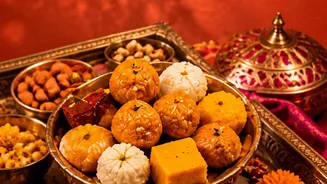
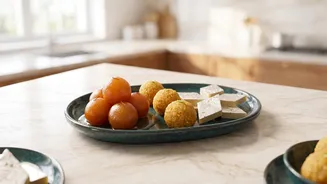
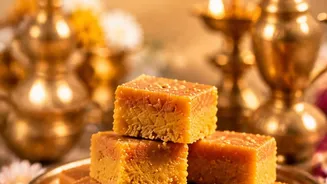
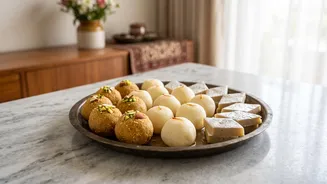
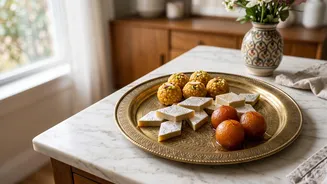
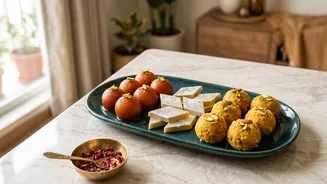
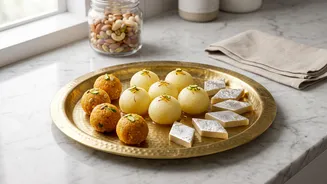
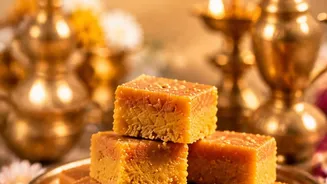
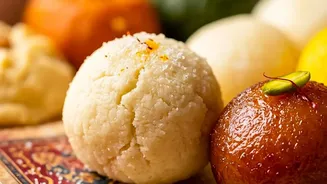
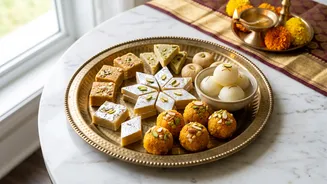
Your first line of defence is your own eyes. Fresh sweets should have a vibrant, natural colour and a pleasing texture. Be cautious of mithai that looks unnaturally bright, as this can be a sign of synthetic, non-permitted food colouring. Look for a uniform
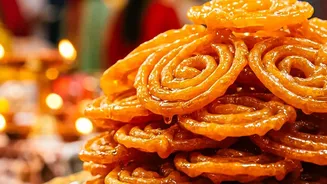
texture; for example, a fresh barfi should look soft and moist, not dry, cracked, or crumbly. If a sweet like a gulab jamun appears dull or the syrup has crystallised, it's likely been sitting for a while. Also, pay attention to the general appearance. If the sweets look greasy, sweaty, or have a dried-out appearance, it is best to steer clear.
Ask About the Ingredients
Don’t hesitate to ask the shopkeeper about the key ingredients. The most significant difference in quality and taste often comes down to the fat used. Sweets made with pure desi ghee will have a rich, unmistakable aroma and a clean taste, while those made with vanaspati (hydrogenated vegetable oil) can leave a greasy film on the palate. Another critical ingredient is khoya or mawa. Adulterated khoya may contain starch, blotting paper, or even harmful chemicals to add bulk. A reputable seller should be transparent about what goes into their products. If they are evasive, consider it a red flag.
Check the Silver Vark (Foil)
That shimmering silver layer, or vark, is meant to be pure, edible silver. Unfortunately, it is often replaced with cheaper aluminium foil, which can be harmful if ingested. Real silver vark is incredibly delicate and should almost meld into the sweet. If you gently touch it, pure silver foil will disintegrate or crumble. Aluminium foil, being tougher, will likely break into small shreds or feel slightly coarse. It also tends to look excessively shiny and metallic, whereas pure silver has a more subdued sheen. A simple test you can do later is to take a piece of the foil and try to burn it; pure silver burns away to a small shiny ball, while aluminium leaves behind greyish ash.
Judge the Shop’s Hygiene
A clean shop is often a sign of quality products. Take a moment to observe the surroundings. Are the display counters clean? Are the sweets properly covered to protect them from dust and flies? High customer traffic is also a positive sign, as it suggests a high turnover rate, meaning the sweets are likely to be fresher. In response to rising concerns about adulteration, the Food Safety and Standards Authority of India (FSSAI) often intensifies inspections during the festive season, encouraging sellers to maintain strict hygiene. Choosing a well-maintained, busy shop increases your chances of buying safe and fresh mithai.
Know Your Sweet’s Shelf Life
Not all Indian sweets are created equal when it comes to longevity. Their shelf life depends entirely on the ingredients. Milk or khoya-based sweets like kalakand, rasmalai, and other Bengali sweets are highly perishable and should ideally be consumed within a day or two. Sweets like boondi laddoos and some khoya barfis last a bit longer, around four days. The most durable are those made from besan (gram flour), ghee, sugar, and dry fruits. Sweets like besan laddoos, kaju katli, and sohan halwa can stay fresh for a week or even longer under the right conditions. Understanding this helps you plan your purchases and know which sweets to consume first.
Look for Packaging Dates and Licenses
For pre-packaged boxes of sweets, rules mandated by the FSSAI state that the packaging must clearly display the 'date of manufacture' and a 'best before' or 'use by' date. This is the most straightforward way to confirm freshness. Even for loose sweets sold at the counter, many shops are now required to display this information on the tray. Also, look for the shop’s FSSAI license number, which should be prominently displayed. This license indicates that the vendor is registered and subject to food safety regulations, providing an added layer of assurance.