




A Comprehensive First-Aid Kit
Minor injuries and illnesses can become major hassles during the monsoon. The damp weather can increase the risk of infections, and accessing a pharmacy might be difficult in remote or flooded areas. Your first-aid kit should be your primary line of defence.
Pack essentials like assorted waterproof bandages, sterile gauze, and antiseptic wipes to treat cuts and scrapes immediately. Include an antiseptic solution for cleaning wounds. Mosquitoes are a significant concern, carrying diseases like dengue and malaria, so a strong insect repellent is non-negotiable. Also pack medications for common monsoon ailments such as fever, diarrhoea, colds, and allergies, along with oral rehydration salts (ORS) to combat dehydration. A digital thermometer and any personal prescription medications are also a must.
Waterproofing and Dry Gear
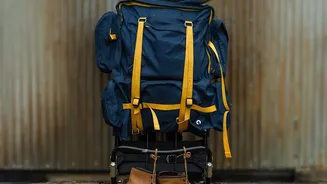
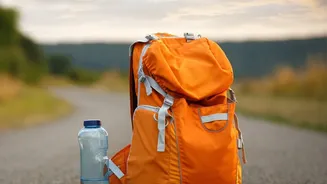
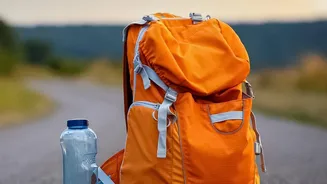
Staying dry is not just about comfort; it's about protecting your health and your valuables. Being in wet clothes for extended periods can lead to fungal infections and other illnesses. Pack synthetic, quick-drying clothes instead of cotton or jeans, which take a long time to dry and can develop a musty odour. A reliable, lightweight raincoat and a sturdy umbrella are obvious essentials. For your belongings, use a waterproof backpack or a good quality rain cover. Inside your main bag, further protect your electronics, documents, and cash by sealing them in zip-lock bags or dedicated waterproof pouches. These simple measures can save you from the costly damage of a waterlogged phone or passport.
Power and Connectivity Backup
Power cuts are a common occurrence during the monsoon, especially in hilly or rural areas. Losing your phone battery can leave you without a map, a way to contact help, or a source of light. A fully charged, high-capacity power bank is one of the most critical items you can carry. It ensures you can keep your phone and other essential gadgets running. Also, pack a reliable torch or a headlamp with a set of extra batteries. While we rely heavily on digital maps, having a physical map of the area you are visiting can be a lifesaver if you lose power and network connectivity entirely.
Safe Food and Water Practices
The risk of waterborne diseases like cholera and typhoid increases significantly during the rainy season due to contamination of water sources. Avoid drinking tap water or water from any unreliable source. Always opt for sealed, bottled water. A practical and eco-friendly alternative is to carry a water bottle with a built-in filter or a pack of water purification tablets. It’s also wise to be cautious about street food, which may be prepared in unhygienic conditions. To be safe, pack some non-perishable snacks like energy bars, nuts, or biscuits. They can provide a much-needed energy boost if you are stranded or if meal times get delayed.
The Right Footwear and Hygiene Items
Walking on slippery, muddy, and potentially flooded streets requires the right footwear. Avoid heels, leather shoes, and standard flip-flops. Instead, opt for sturdy, waterproof footwear with a good grip, like rubber sandals or floaters, to prevent slips and falls. It's also a good idea to always carry an extra pair of socks to keep your feet dry. Personal hygiene is equally important. The high humidity can be a breeding ground for germs. Carry a hand sanitiser with at least 60% alcohol for situations where soap and water are not available. Antifungal powder can help prevent skin infections, and wet wipes are incredibly useful for staying fresh on the go.