




The Rise of the Super Seed
Not long ago, the idea of adding seeds to your morning meal might have seemed unusual. But a global wellness wave, combined with a renewed interest in traditional Indian ingredients, has put two tiny powerhouses on the breakfast table: chia and sabja.
These seeds are now staples in modern Indian kitchens, celebrated for their nutrient density and versatility. This shift is driven by a growing awareness of how small dietary changes can have a significant impact on overall health, from improving digestion to boosting energy levels throughout the day.
Chia: The Global Wellness Star
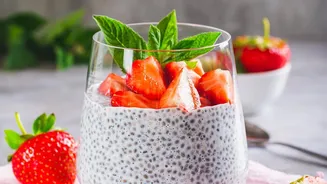
Chia seeds, which come from the Salvia hispanica plant native to Central America, have gained worldwide fame as a superfood. They are prized for their rich content of alpha-linolenic acid (ALA), a type of plant-based omega-3 fatty acid crucial for heart and brain health. A small serving packs a significant amount of dietary fibre, which promotes a feeling of fullness, aids in weight management, and helps stabilise blood sugar levels. They are also a good source of plant-based protein, calcium, and magnesium, supporting bone health and muscle function. When soaked in liquid, chia seeds absorb several times their weight, forming a thick, gel-like substance that is easy to incorporate into recipes like puddings and smoothies.
Sabja: The Rediscovered Local Hero
While chia may be a relatively new import, sabja seeds (also known as sweet basil seeds or tukmaria) have been a part of Indian culture for centuries. Traditionally, they are best known for their use in cooling drinks like falooda and various sharbats, valued in Ayurveda for their ability to reduce body heat. Like chia, sabja seeds are high in fibre, which is excellent for digestive health, helping to relieve issues like bloating and constipation. They are also a good source of iron, which is vital for blood health. The recent wellness trend has led to a rediscovery of sabja, with people now appreciating it not just as a summer coolant but as a year-round health supplement.
A Head-to-Head Comparison
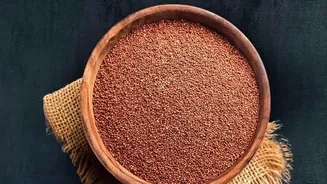
Though they look similar, chia and sabja have distinct differences. Chia seeds can be grey, white, or black, while sabja seeds are uniformly jet black. Nutritionally, chia seeds generally contain more omega-3s, protein, and calcium. In contrast, sabja seeds have a well-known cooling effect on the body and are particularly rich in iron. One of the biggest practical differences is how they react to water. Sabja seeds swell almost instantly, within minutes, forming a soft, translucent gel. Chia seeds take longer, needing at least 20-30 minutes or even a few hours to form a thicker gel. This often makes sabja a quicker, more convenient option. Culturally and economically, sabja has the home-field advantage: it is widely available and more affordable in India.
Easy Ways to Start Your Day
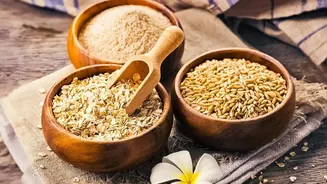
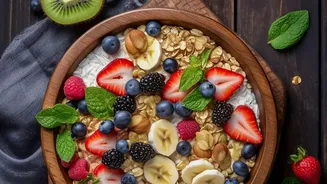
Incorporating these seeds into your breakfast is surprisingly simple. The easiest way is to soak a teaspoon or two overnight and add them to your morning routine. You can stir them into a bowl of dahi (yoghurt), oatmeal, or porridge. Both seeds work beautifully in smoothies, adding thickness and a nutrient boost without significantly altering the taste. Overnight oats, made by soaking rolled oats with milk, seeds, and fruit, has become a popular no-cook breakfast option. You can even just mix the soaked seeds into a glass of water, perhaps with a squeeze of lemon and a drop of honey, for a hydrating and fibre-rich start to your day.