





The Current State of Arrivals
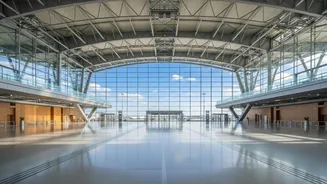
Major Indian airports, especially in Delhi, Mumbai, Bengaluru, Chennai, and Hyderabad, have been grappling with immense pressure. These five gateways handle the vast majority of foreign tourist arrivals, leading to significant congestion in immigration
halls, particularly during peak hours. Foreign tourist arrivals showed a modest 3.6% increase in the first half of 2026, reaching 4.34 million visitors. While this growth is welcome, it underscores the urgent need for infrastructure that can handle the rising numbers efficiently, preventing a frustrating start to a journey in India.
What is the E-Visa Expansion?
In a recent move, the Indian government has expanded its e-visa network by adding 11 new entry points for foreign nationals. This brings the total number of authorised e-visa entry points to 88, comprising 37 airports, 38 seaports, and 13 land ports. The latest additions include two new airports—Bhopal and Tirupati—and nine land crossings, such as the Attari border with Pakistan and others connecting to Bangladesh, Myanmar, and Bhutan. This expansion is a significant step in a decade-long effort to liberalise and streamline India's visa regime. The e-visa system, first introduced in 2014 for 43 countries, is now available to nationals of 172 countries.
How Digital Visas Can Tame Physical Crowds
The logic is simple: faster processing per passenger leads to shorter queues. An e-visa allows for a traveller's information and biometrics to be captured online before they even board their flight. With the government reporting that approximately 95% of e-visa applications are processed within 72 hours, passengers arrive with pre-approved Electronic Travel Authorisation (ETA). This transforms the role of the immigration officer from detailed vetting to quick verification. Instead of a lengthy manual process, the officer simply scans the passport and confirms the identity against the digital record. This is significantly faster than processing traditional sticker visas or visas-on-arrival, directly cutting down wait times and easing the strain on immigration staff and airport capacity.
A Welcome Boost for Tourism and Trade
The benefits of a smoother entry process extend far beyond the airport. A more accessible and welcoming visa policy is a powerful tool for economic growth. By simplifying travel, India enhances its appeal for tourism, business, and medical travel. The recent expansion is particularly crucial for decentralising tourism. Instead of concentrating arrivals at overburdened metro airports, the addition of regional airports like Bhopal and Tirupati, along with land borders, encourages visitors to explore destinations beyond the usual tourist circuits. This helps distribute tourist spending more evenly across the country and opens up new opportunities for local economies, from hospitality to transport and retail.
Challenges and the Road Ahead
While the e-visa expansion is a major step forward, it is not a complete fix on its own. Travellers must remember that an e-visa is only valid for entry at designated ports, so checking the official list before travel remains crucial. Furthermore, physical infrastructure, such as the number of immigration counters and the deployment of e-gates, must keep pace with policy changes. Programs like the Fast Track Immigration-Trusted Traveller Programme (FTI-TTP), which uses biometric e-gates for enrolled Indian and OCI card holders, show the way forward for leveraging technology to speed up processing. Expanding such automated systems to handle e-visa holders could be the next logical step in creating a truly seamless arrival experience for all international visitors.