





From Silos to Ecosystems
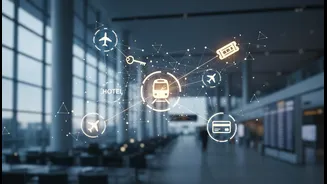
For decades, loyalty programs were islands. Your airline points were for flights, and your hotel points were for rooms. Any crossover was a rare, one-off partnership. Today, that’s changing. A connected loyalty ecosystem is a network of multiple companies,
often from different industries, that have joined forces to create a unified platform. This allows you to earn and redeem rewards across all participating businesses, creating a more integrated and valuable experience. Instead of being locked into a single brand, your loyalty is rewarded across a whole network, which might include airlines, hotels, car rentals, retailers, and even dining establishments.
Why Is This Happening Now?
Several forces are driving this shift. First, customer expectations have changed. Consumers today expect convenience and flexibility; they don’t want to manage a dozen different apps for rewards they can barely use. Second, technology, particularly Application Programming Interfaces (APIs), has made it much easier for different companies’ systems to communicate securely. This technical backbone allows for the real-time data sharing necessary to award points from a retail purchase and let you spend them on a flight. For businesses, it's a strategic move to gain a deeper understanding of customer behavior, increase retention, and create new revenue streams through partnerships. In India, the loyalty market is booming, expected to reach USD 8.02 billion by 2028, with mobile apps driving the majority of interactions.
The Benefits for You, the Traveler
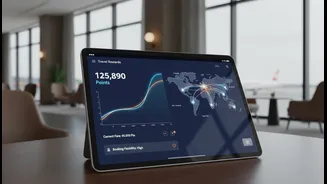
The most significant advantage of a connected ecosystem is the increased flexibility and value. You can earn points faster by accumulating them through everyday activities, not just during travel. For instance, you could earn points on your morning coffee, grocery shopping, or by filling up your car, and then redeem them for a flight upgrade or a free hotel night. These ecosystems also enable hyper-personalization. By understanding your habits across different brands, the network can provide offers that are genuinely relevant to you, like a discount at a restaurant in your destination city. It simplifies the experience, moving toward a world where a single loyalty identity is recognized and valued across an entire journey.
The Currency of Connection: Data
This seamless experience is fueled by data. For these ecosystems to work, partners must share information about customer identity, transactions, and preferences. This raises valid concerns about privacy and security. While companies state that data is used responsibly to enhance the customer experience, consumers are often wary. A data breach at one partner could potentially expose information across the network, damaging trust and reputation. In India, the Digital Personal Data Protection Rules put new obligations on companies regarding how they collect and use customer data for loyalty programs, aiming to create a more secure environment. The trade-off for the consumer is clear: more personalized rewards and convenience in exchange for greater data visibility.
The Future: A Universal Loyalty Wallet?
This trend is accelerating, with some experts predicting the rise of interoperable, token-based systems using blockchain technology. This could lead to a future where loyalty points are treated like a universal currency, easily swapped between programs—trading airline miles for coffee points, for instance. Super-apps, like Tata Neu in India, which integrate rewards across the entire Tata Group, are a model for what these large-scale ecosystems can look like. As more non-travel brands like retailers and restaurants join these networks, the line between travel rewards and everyday loyalty will continue to blur, making the entire concept of loyalty more fluid and valuable for the engaged consumer.