


The Kathal We Know and Love
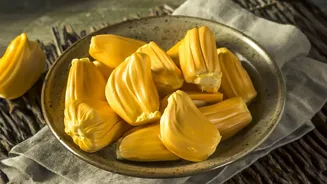
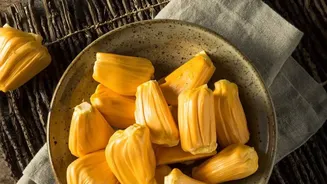
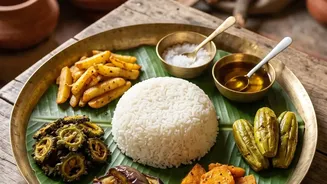
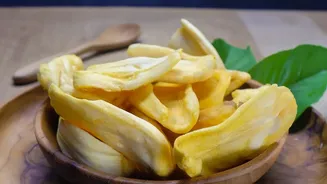
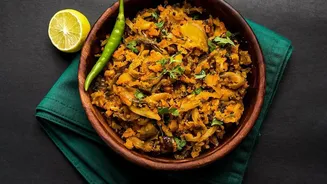
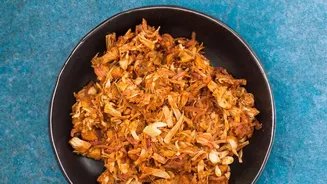
In kitchens across India, raw jackfruit is celebrated for its fibrous, meat-like consistency. It's the star of hearty sabzis, flavourful biryanis, and even pickles. Typically, its preparation involves creating a robust, spicy curry where the kathal chunks
retain a significant bite, offering a satisfying chew that makes it a popular vegetarian substitute for meat. This 'meaty' quality is what most of us associate with kathal, a vegetable that bravely holds its form and texture against a barrage of spices and slow cooking. But the culinary world is vast, and traditions from different communities can cast a familiar ingredient in a completely new light.
The Parsi Approach: A Lesson in Texture
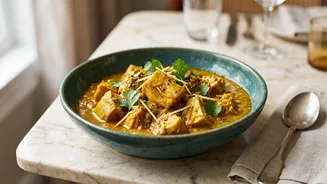
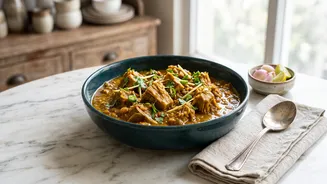
Enter the Parsi Kathal Korma, a dish that reportedly has its roots in old community club cookbooks. Parsi cuisine, a delightful fusion of Persian, Gujarati, and British culinary influences, is known for its unique balance of sweet, sour, and spicy flavours ('khattu mithu'). Unlike the more common rustic kathal preparations, this Parsi version takes a more refined approach. The goal here is not just flavour, but a specific, almost velvety texture. The final dish is less a chunky sabzi and more a rich, creamy korma where the jackfruit becomes incredibly tender, yet doesn't fall apart. This transformation is achieved through a few key steps that set it apart from other recipes.
The Secret to a Softer Bite
The first step to achieving the signature Parsi texture is how the kathal is treated before it even meets the main gravy. The raw jackfruit pieces are first fried in ghee until they develop some colour. This initial frying is crucial; it helps the kathal to soften while also creating a light crust that prevents it from disintegrating during the simmering process. The other game-changer is the base of the gravy itself. A paste made from chironji (or cashews) and poppy seeds is blended into hung curd. This mixture creates a luscious, nutty, and creamy foundation that is much richer than a typical tomato-onion base. When the pre-fried kathal is simmered in this velveteen gravy, it absorbs the creamy nuttiness, becoming tender and succulent.
Parsi Club Kathal Korma Recipe
This recipe is adapted from traditional Parsi club-style cooking. You will need approximately 500-600g of raw jackfruit, cut into pieces. For the paste, you'll need about 60g of chironji or cashews and a tablespoon of poppy seeds, ground and blended with about 1.5 cups of hung curd. You'll also need whole spices like cinnamon, cardamom, and cloves, along with ginger-garlic paste, sliced onions, and powdered spices like chilli and turmeric. First, fry the kathal pieces in ghee until lightly browned and set them aside. In the same pan, temper the whole spices, then sauté onions until golden brown. Add the ginger-garlic paste and powdered spices. Return the fried kathal to the pan, add about a cup of water, and let it simmer until the jackfruit is completely tender. Finally, stir in the curd and nut paste, adding slit green chillies and fresh coriander to finish. Let it gently cook for a few more minutes, allowing the flavours to meld without boiling the curd.
Tips for Perfect Preparation
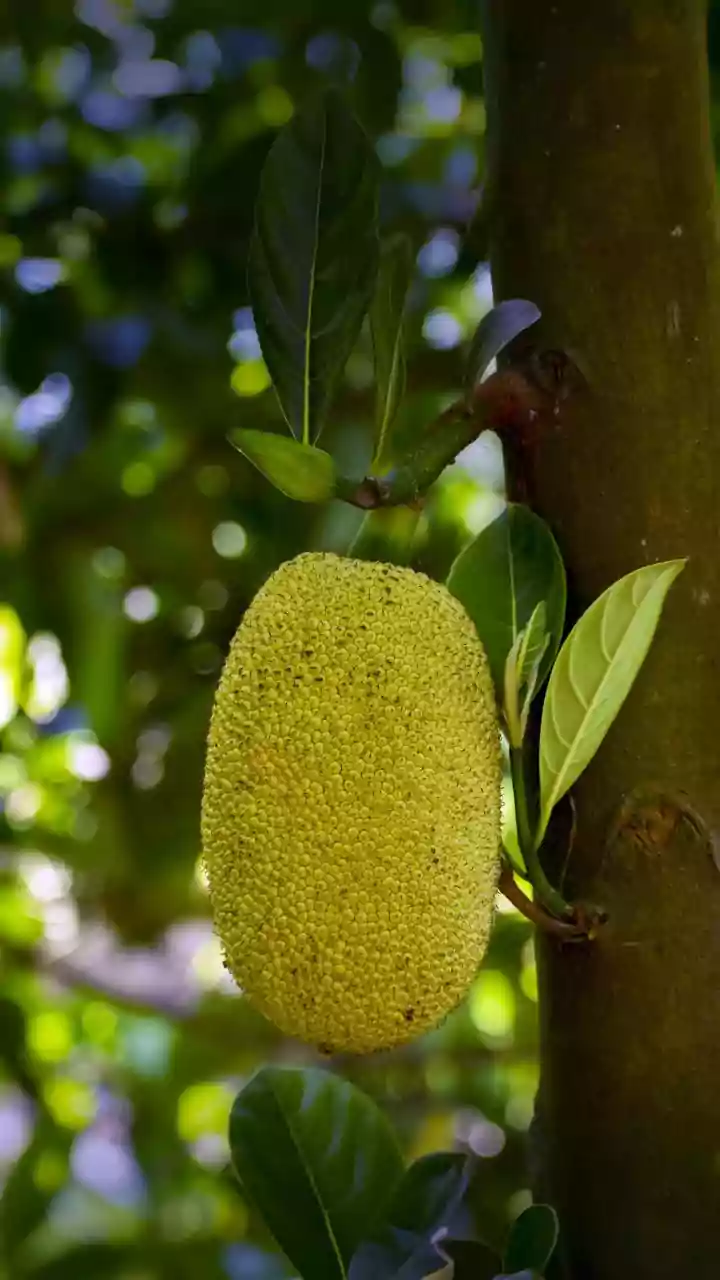
Handling raw jackfruit can be a sticky affair. Before you begin, generously oil your hands and the knife to prevent the natural latex from sticking. When selecting your kathal, choose a young, unripe fruit with tender seeds for the best results. The pre-frying step is not to be skipped, as it is essential for the final texture. Sautéing the kathal pieces helps them hold their shape and adds a layer of flavour. When you add the curd-nut paste at the end, ensure the heat is low. Bringing the curd to a rapid boil can cause it to split, so a gentle simmer is all that's needed to incorporate it smoothly into the rich gravy.