





More Than Just a Meal
For generations, a great meal in India was defined by the quality of its ingredients and the authenticity of its recipes. But today, a growing number of diners are seeking something more. They want an event, a story, a multi-sensory journey that engages
them from the moment they walk in. Experiential dining has become a defining trend, where gastronomy is fused with art, narrative, and technology. Restaurants are becoming stages, chefs are becoming directors, and a simple dinner reservation is now a ticket to a show. This shift is less about just eating and more about feeling, participating, and creating a memory that lasts long after the plates are cleared.
Curtains Up, Plates Down
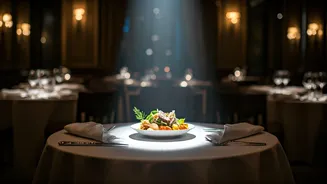
In cities like Delhi and Mumbai, this trend is taking centre stage. At Dramique in Delhi, the experience is explicitly theatrical, with a concept called 'La Spectacle' where the culinary and creative teams work in unison. Lighting cues are inspired by sauces, and the plating is designed to match the rhythm of the music. Similarly, Mumbai's Banquet of Hoshena offers a dramatic feast complete with 3D imagery, levitating dishes, and a seven-course meal woven into a fantastical narrative. Even pop-up events are getting in on the act, like the 'New India Lodge' experience, which transports guests to the 1940s, encouraging them to interact with actors while enjoying a regionally inspired five-course meal. These aren't just restaurants; they are fully immersive worlds.
The Chef as Storyteller
This theatrical era has elevated the role of the chef from cook to narrator-in-chief. Tasting menus, once a niche concept, have become the primary format for this kind of storytelling. At places like Indian Accent in New Delhi or Avartana in Chennai, each course in a multi-course meal is a new scene in a larger play, deconstructing familiar South Indian flavours or reinterpreting nostalgic dishes into elegant, modern plates. The chef is no longer hidden in the kitchen but is a visible, central part of the experience, often explaining the inspiration behind each dish. This shift puts the ingredient's story and the chef's creative journey at the forefront, turning food into a deeply personal narrative.
What's Driving the Drama?
Several factors are fuelling this culinary revolution. Post-pandemic, diners are more eager than ever for unique, out-of-the-home experiences that feel special and transportive. There's also the undeniable influence of social media; a meal that is visually stunning and tells a story is a meal that is shareable. But deeper than that, it reflects a maturation of the Indian diner. As palates have become more sophisticated and globally aware, there's a greater appreciation for culinary artistry. Diners are no longer just seeking sustenance or even just flavour; they are seeking connection, wonder, and a good story. This has given chefs the confidence to move beyond gimmickry like the early-era molecular gastronomy and use innovative techniques with more purpose and soul.