





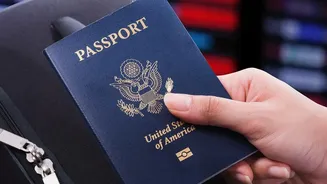
Get Your Passport and Visa Sorted First
Before you book anything, tackle the paperwork. Your passport is your single most important travel document. Ensure it is valid for at least six months beyond your planned return date, a strict rule that airlines enforce. If you don't have one, apply
immediately, as the standard process can take a few weeks. Next, research the visa requirements for your chosen destination. For a first trip, consider countries offering visa-free entry, visa-on-arrival, or a straightforward e-visa process for Indian citizens, such as Thailand, Malaysia, Sri Lanka, or Dubai. For destinations requiring a visa in advance, like the Schengen countries in Europe, start the application at least two to three months ahead to avoid last-minute stress. A rejected or delayed visa is one of the most common reasons trips fail, so don't leave it to chance.
Create a Realistic and Detailed Budget
Your budget will determine almost every other decision you make. Be realistic and comprehensive. Break down your expected costs into major categories: round-trip flights, accommodation, visa fees, travel insurance, daily food, local transport, activities, and a separate fund for shopping. As a rough guide, a 5-6 day trip to Southeast Asia could range from ₹50,000 to ₹80,000, while a similar trip to Dubai might be ₹60,000 to ₹1,00,000. Always add a 15-20% buffer for unexpected expenses. Remember to account for costs before you even leave, such as visa application fees and travel insurance. Planning your finances early helps prevent overspending and ensures a comfortable journey.
Book Flights and Accommodation Smartly
Flights are often the biggest single expense, so booking strategically pays off. Start looking for international flights around 6-8 weeks in advance to find the best prices. Use flight comparison websites to track fares and be flexible with your travel dates if possible; flying mid-week is often cheaper than on weekends. When it comes to accommodation, choose based on your budget and travel style. Hostels are great for solo travellers on a tight budget, while hotels offer more comfort. Booking a place with free cancellation can be a lifesaver, giving you flexibility if your visa is delayed or plans change. For your first trip, staying in a central, tourist-friendly area can also save you time and money on transport.
Handle Your Money Abroad Like a Pro
Managing money in a foreign currency can be tricky. The smartest approach is to use a combination of payment methods. Instead of carrying large amounts of cash, get a prepaid forex card. You can load it with the destination's currency at a locked-in exchange rate, making it a secure and convenient option for most of your spending. Carry a small amount of cash in the local currency for immediate expenses like taxis, tips, or small market purchases upon arrival. The Reserve Bank of India (RBI) generally allows you to carry up to USD 3,000 or its equivalent in cash per trip. Also, keep an international-enabled credit or debit card as a backup for emergencies, but be sure to inform your bank of your travel dates to prevent them from blocking it for suspicious activity.
Don't Forget Travel Insurance
Many first-time travellers consider skipping travel insurance to save money, but this is a mistake. Travel insurance is a crucial safety net that protects you from a range of unforeseen problems, including medical emergencies, trip cancellations, flight delays, and lost or stolen luggage. Medical treatment abroad can be incredibly expensive, and your domestic health policy won't cover you. Furthermore, many countries, particularly in the Schengen Area, make travel insurance a mandatory requirement for visa approval. A good policy provides peace of mind, ensuring that a minor mishap doesn't turn into a major financial crisis.
Pack Smart and Prepare for Departure
Overpacking is a classic rookie error. Lay out everything you think you need, then try to remove at least a third of it. Check your airline's baggage allowance to avoid expensive excess baggage fees. Pack versatile clothing, a universal travel adapter, a power bank, and any prescription medications with a doctor's note. Most importantly, get your documents in order. Keep digital and physical copies of your passport, visa, flight tickets, hotel confirmations, and insurance policy. Store them separately from the originals. A little organisation before you leave ensures you can handle any situation with confidence.