



The Gut-Wrenching Reality of Urban Living
Life in the city is demanding. Long commutes, high-pressure jobs, irregular sleep, and a diet heavy on convenience foods can take a toll. One of the first systems to feel this strain is our digestive tract. Studies have shown that urban populations tend
to have less diverse gut bacteria compared to their rural counterparts. This reduction in microbial diversity is linked to a host of digestive issues, from bloating and discomfort to more significant long-term health concerns. The 'Westernized' urban diet, often lower in fibre and higher in processed ingredients, combined with chronic stress, creates an environment where our internal ecosystem struggles to thrive.
The Ancient Magic of Fermentation
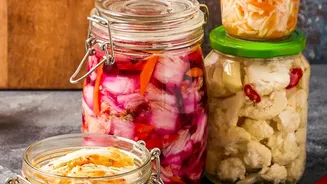
Before refrigeration, fermentation was a primary method of preserving food. In India, this practice evolved into the art of making 'achaar'. The process, known as lacto-fermentation, is beautifully simple. Vegetables or fruits are submerged in a brine of salt and water, and sometimes oil and spices. This environment inhibits the growth of harmful bacteria while allowing beneficial bacteria, primarily from the Lactobacillus family, to flourish. These microbes feed on the natural sugars in the ingredients, converting them into lactic acid. This acid not only preserves the pickle but also gives it its characteristic tangy, complex flavour and, most importantly, fills it with gut-friendly microorganisms.
Not All Pickles Are Created Equal
Herein lies a crucial distinction for the modern consumer. The vast majority of commercially available pickles found on supermarket shelves are not fermented. They are 'quick-pickled' using vinegar and then often pasteurised (heat-treated) to ensure a long shelf life. While vinegar provides a tangy taste, this process kills off the beneficial live bacteria that are the stars of fermentation. A true fermented pickle is a living food. When looking for them, seek out brands that specify 'naturally fermented' or 'unpasteurised'. A tell-tale sign of a genuinely fermented product is often a slight fizz or visible bubbles when you open the jar, indicating the presence of live cultures.
Discover India's Fermented Treasures
India’s culinary landscape is a treasure trove of fermented pickles, each reflecting its region's unique produce and traditions. While mango and lime pickles are famous, many regional specialities are powerhouses of flavour and fermentation. In Andhra Pradesh and Telangana, 'Gongura Pachadi' is made from tangy sorrel leaves, offering a unique sour and spicy kick. South India's 'Amla' (gooseberry) pickle is another classic, packed with Vitamin C and fermented with spices. Even lesser-known delights like Gujarat's 'Bijora Achar', made from the fragrant citron fruit, or the famous Andhra 'Avakaya' raw mango pickle, are traditionally made through slow fermentation, not just brining in vinegar. These pickles offer a spectrum of flavours far beyond the standard supermarket fare.
Making Room on Your Plate
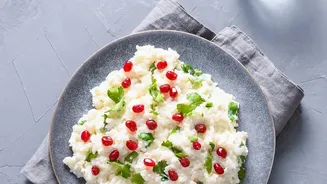
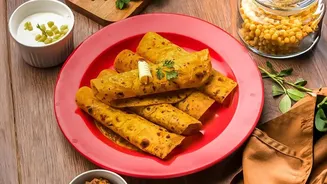
Incorporating these probiotic-rich foods into your diet is simple. They are meant to be condiments, not the main course, so a small spoonful with your meal is all you need. Add a bit of lemon or mango pickle to your dal and rice, pair some Gongura Pachadi with curd rice, or simply enjoy a piece alongside a paratha. The goal is consistency over quantity. Regularly consuming a small amount of these fermented foods helps to continually introduce beneficial bacteria into your gut. This simple act can support digestion, enhance nutrient absorption, and help restore some of the microbial diversity that modern life may have diminished.