





The Post-Workout Instinct vs. The Science
You’ve just finished a demanding run, a high-intensity interval session, or a heavy lifting day. Your muscles are fatigued, your heart is pounding, and every fibre of your being is telling you to find the nearest couch. For years, the cool-down has been
framed primarily as a way to help muscles recover. However, a growing body of neuroscientific evidence suggests that what you do in the 20 to 30 minutes after your main workout could be just as important for your brain as the exercise itself. It turns out that a gentle, low-intensity activity, like a simple walk, may be the perfect finisher to amplify the cognitive benefits of your hard work.
What is Brain Plasticity, Anyway?
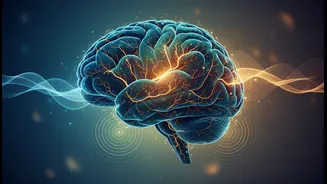
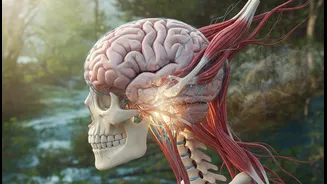
To understand the benefit of a post-workout stroll, we first need to talk about neuroplasticity. Think of it as your brain's superpower. Neuroplasticity is the remarkable ability of the brain to reorganize its structure, functions, and connections in response to experiences. This process is the foundation of learning and memory. When you learn a new skill, form a new memory, or adapt to a new environment, it's your brain's plasticity at work. Enhancing this ability can lead to better cognitive function, a sharper memory, and a more resilient mind, especially as we age. Exercise is one of the most powerful known ways to stimulate this process.
How Intense Exercise Primes the Brain
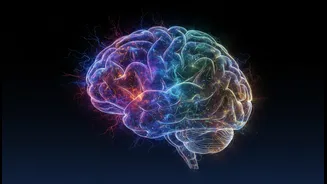
During moderate to vigorous exercise, your body goes into high gear, and so does your brain. This physical stress triggers the release of a cascade of powerful neurochemicals. One of the most important is Brain-Derived Neurotrophic Factor, or BDNF. Scientists often refer to BDNF as “Miracle-Gro for the brain” because it promotes the survival of existing neurons and encourages the growth and differentiation of new ones. Studies show that BDNF levels in the blood surge following a bout of exercise. This intense activity essentially prepares the brain, creating a rich, fertile environment for neuroplastic changes to occur. It opens a window of opportunity for your brain to rewire and strengthen itself.
The Magic of the Gentle Cool-Down
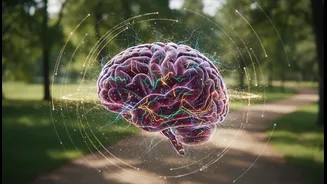
Here’s where the post-exercise stroll comes in. While intense exercise creates the surge of brain-boosting molecules like BDNF, these effects can be transient, with levels often returning to baseline within an hour or so. However, research suggests that following up your main workout with a period of light-intensity exercise can extend and enhance this neuroplastic state. A study published in the journal Neuron highlighted that post-exercise activation of specific brain regions is crucial for locking in the benefits of training. Light activity, like walking, helps prolong the elevated levels of BDNF and other crucial neurotransmitters like dopamine and noradrenaline. This gentle movement keeps blood flowing to the brain, delivering oxygen and nutrients that support the processes of neurogenesis (the birth of new neurons) and synaptogenesis (the formation of new connections between them). Instead of an abrupt stop, the slow stroll acts as a bridge, allowing your brain to more effectively soak up and utilize the growth factors released during the intense part of your workout.
Your New Workout Finisher
Incorporating this into your routine is simple. The key is the contrast in intensity. After your main session of running, cycling, lifting, or whatever gets your heart rate up, don’t head straight for the showers. Instead, dedicate 20 to 30 minutes to low-intensity movement. This could be a slow walk around the block, a gentle cycle on a stationary bike with minimal resistance, or even some light stretching or yoga. The goal is to keep your body moving without imposing significant stress. You should be able to hold a conversation easily. This small addition to your cool-down doesn't just help your muscles; it serves as a dedicated, science-backed strategy to boost your brain’s capacity for learning, memory, and overall cognitive health.