



Redefine Your Staples
The first step to breaking free from meal monotony is to rethink the concept of a “staple.” Instead of thinking of a specific ingredient, like chicken breast or brown rice, think in terms of categories. Your staple isn't just chicken; it's your 'protein'.
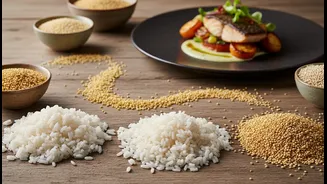
It's not just rice; it's your 'grain' or 'carb'. By framing it this way, you create a flexible template for meals: Protein + Grain + Vegetable + Flavour. This simple formula—sometimes called a meal matrix—is the foundation for endless variety without requiring a new, complicated recipe every night. It helps eliminate the daily guesswork and decision fatigue that often leads to ordering takeout. The goal is to build a system where you can mix and match components easily.
Build Your Rotation Matrix
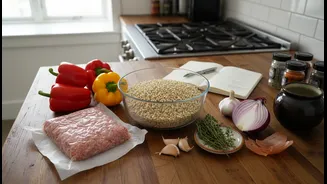
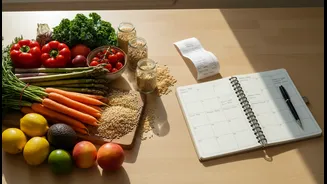
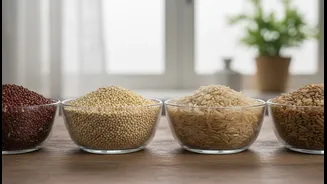
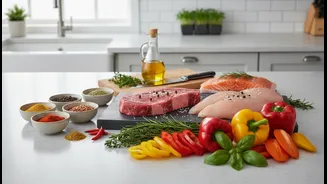
Now, create a simple list for each category. You don't need dozens of options. Start with three to four items in each column that your household already enjoys. For example: Proteins could include chicken thighs, ground turkey, lentils, and eggs. Grains might be quinoa, pasta, and sweet potatoes. For vegetables, you could list broccoli, bell peppers, and spinach. The idea is to shop for these core components and rotate through them. This week, your protein might be chicken, but next week you swap in ground turkey. This simple change, using the same cooking methods and side dishes, provides a different experience with minimal effort. This approach turns your grocery list into a simple exercise of restocking your chosen matrix items.
The Power of Sauces and Spices
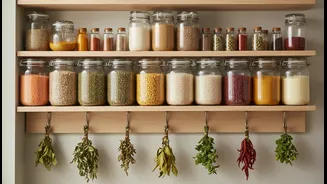
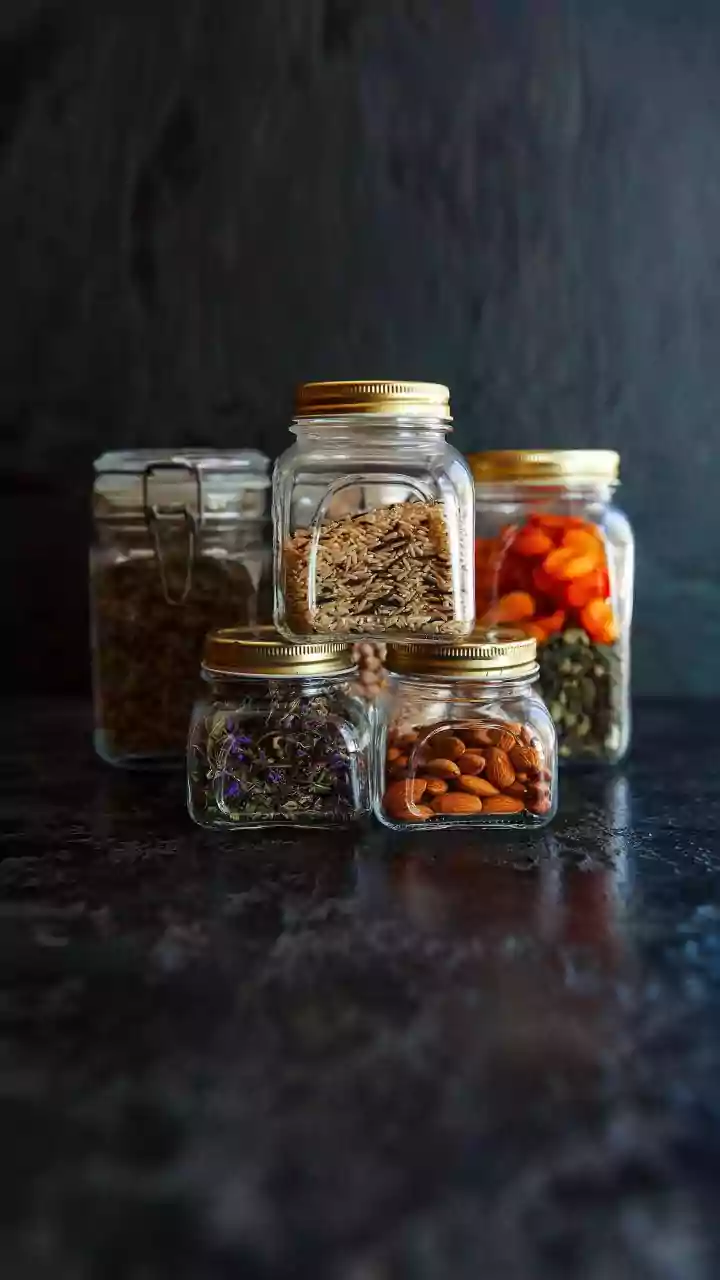
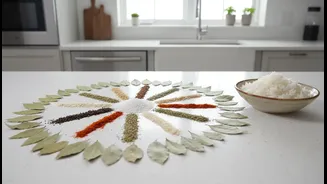
The easiest way to transform a meal without changing its core ingredients is by switching the flavour profile. Sauces, dressings, and spice blends are your most powerful tools. A batch of cooked chicken, rice, and roasted broccoli can become a completely different meal with a simple swap. One night, dress it with a lemon-herb vinaigrette for a fresh, Mediterranean feel. Two nights later, use a soy-ginger sauce for an Asian-inspired bowl. The next week, the same base ingredients could be paired with a pesto or a tomato-based arrabbiata. Spices work the same magic; cumin and chili powder can give your meal a Mexican flair, while oregano and basil can steer it toward Italian. Keeping a few versatile sauces and a well-stocked spice rack is a low-effort, high-impact strategy.
A Practical Weekly Framework
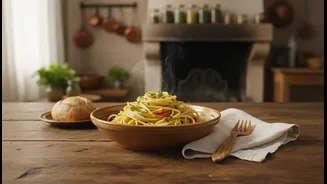
To see this in action, consider theming your nights loosely, not with specific meals, but with ingredient categories. For example, Monday could be a 'pasta' night. One week, that might mean spaghetti with ground turkey and tomato sauce. The next, it could be penne with chicken, spinach, and pesto. Tuesday could be 'bowl' night. This week, you build a quinoa bowl with lentils and roasted peppers. Next week, it’s a rice bowl with chicken and a different set of vegetables. This method provides structure without being rigid, allowing you to use the ingredients you have on hand while ensuring you don't eat the exact same meal repeatedly.
Smart Prep for Easy Execution
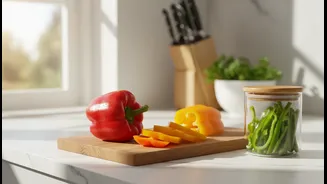
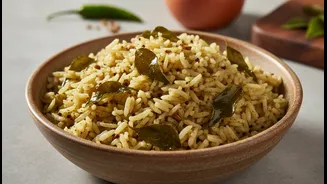
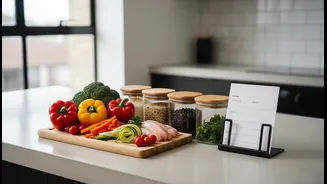
A little prep goes a long way in making this rotation system seamless. You don't need to prep full meals, but you can batch-cook your base components. Cook a large batch of quinoa or brown rice at the start of the week. You can wash and chop vegetables like bell peppers or broccoli and store them in containers. Having these elements ready makes assembling a meal on a busy weeknight incredibly fast. It’s no longer about starting from scratch every evening, but about combining pre-prepared, versatile ingredients in new ways. This reduces the friction of cooking and makes sticking to your plan much more likely.