





The Surprise Problem with Cotton
In India, cotton is a go-to fabric for its breathability and comfort. While perfect for dry heat, it becomes a liability during the monsoon. Cotton is hydrophilic, meaning it loves water. It can absorb a tremendous amount of moisture, but it is very slow
to release it. This means a cotton shirt caught in a drizzle will feel heavy, cling uncomfortably to your skin, and take hours, if not days, to dry in the humid air. This not only leaves you feeling damp and chilled but can also create a breeding ground for mildew and odours, making it a surprisingly poor choice for the rainy season.
How Quick-Dry Fabrics Work Their Magic
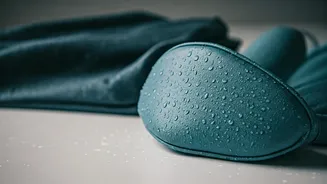
The secret to monsoon comfort lies in hydrophobic (water-fearing) and moisture-wicking fabrics. Instead of absorbing moisture like a sponge, these materials use a process called capillary action to pull sweat and rain away from your skin and move it to the fabric's outer surface. Once on the surface, the moisture spreads out over a larger area, allowing it to evaporate much faster. This is why materials like polyester and nylon, commonly found in activewear, are exceptionally good at keeping you feeling dry and comfortable, even when the weather is anything but.
Polyester: The Monsoon Workhorse
Polyester is perhaps the most famous quick-dry fabric, and for good reason. It is extremely hydrophobic, absorbing very little water and drying incredibly fast. This makes it ideal for everything from casual t-shirts to formal trousers that you don't want to stay damp all day. Polyester is also durable, wrinkle-resistant, and relatively inexpensive, making it an accessible choice for a monsoon wardrobe refresh. The main drawback is that some people find it less breathable than natural fibres, and it can be prone to retaining odours if not washed properly. Look for modern polyester blends designed for better airflow.
Nylon: The Strong, Resilient Option
Like polyester, nylon is a synthetic fabric that repels water and dries quickly. It is renowned for its exceptional strength, durability, and elasticity. While it can absorb slightly more moisture than polyester, it remains a top performer in wet conditions and is a popular choice for outerwear like windcheaters and rain jackets. Nylon often has a softer, silkier feel than polyester, making it a comfortable choice for clothing that moves with you. Its durability also means it will stand up to the rigours of the season, from crowded commutes to unexpected adventures.
Rayon and Modal: The Semi-Synthetic Surprise
If the feel of synthetics isn't for you, consider semi-synthetic fabrics like rayon and modal. Made from regenerated cellulose (wood pulp), these fabrics offer a fantastic middle ground. They are prized for their soft, silky feel and beautiful drape, often mimicking more luxurious materials. Rayon is highly absorbent, which might sound bad, but it also dries reasonably quickly and feels lightweight and breathable, making it excellent for humid weather. It's a great choice for flowy dresses, kurtas, and blouses that won't cling to your body when the air gets heavy.
Chambray: The Denim-Like Dream
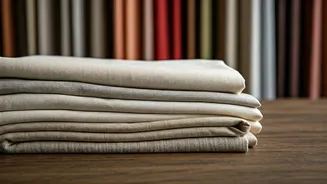
For those who love the look of denim but hate its heavy, slow-drying nature, chambray is the perfect monsoon alternative. Though it looks similar, chambray is a lightweight, plain-weave cotton fabric that is much more breathable and has a softer texture. It will keep you cooler and dry significantly faster than its heavyweight cousin. A chambray shirt or dress provides a classic, stylish look without the discomfort of wet, heavy fabric, making it a smart and fashionable choice for rainy days.