
Embrace the Power of Pulses
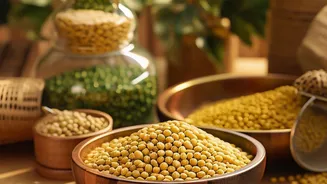
Lentils and legumes are the foundation of a protein-rich Indian diet. While dal is a daily staple, think beyond a simple tadka. A single 100g serving of dry urad, moong, or chana dal can contain between 24g and 26g of protein. Once cooked, a cup provides
a significant portion of your daily needs. To maximize intake, use a variety of pulses throughout the week. Make staples like rajma and chole, which provide about 15g of protein per cooked cup. Sprouting beans like moong can also increase their nutritional value and make for a great addition to salads and snacks. The key is variety; rotating your dals and legumes ensures a wider range of nutrients.
Go Beyond Grains like Rice and Wheat
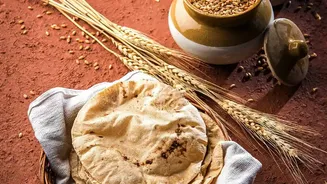
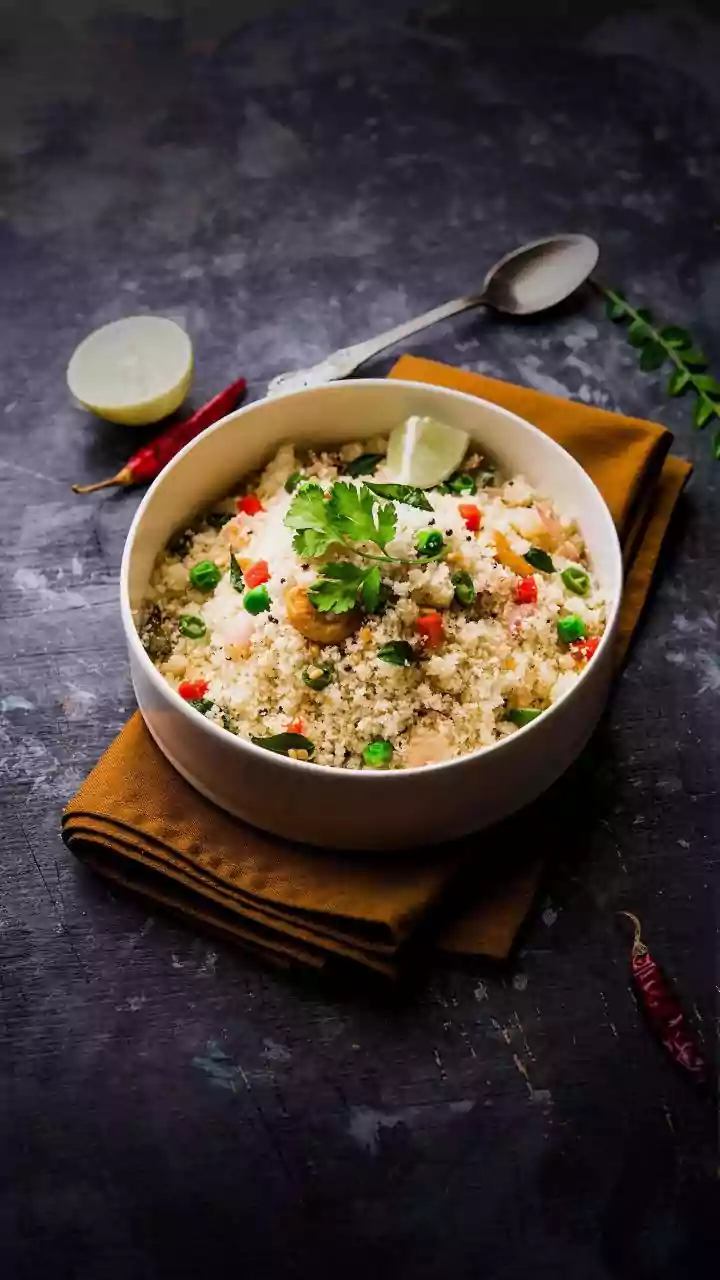
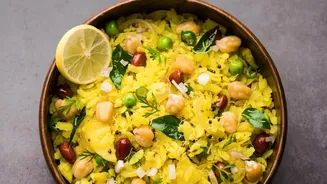
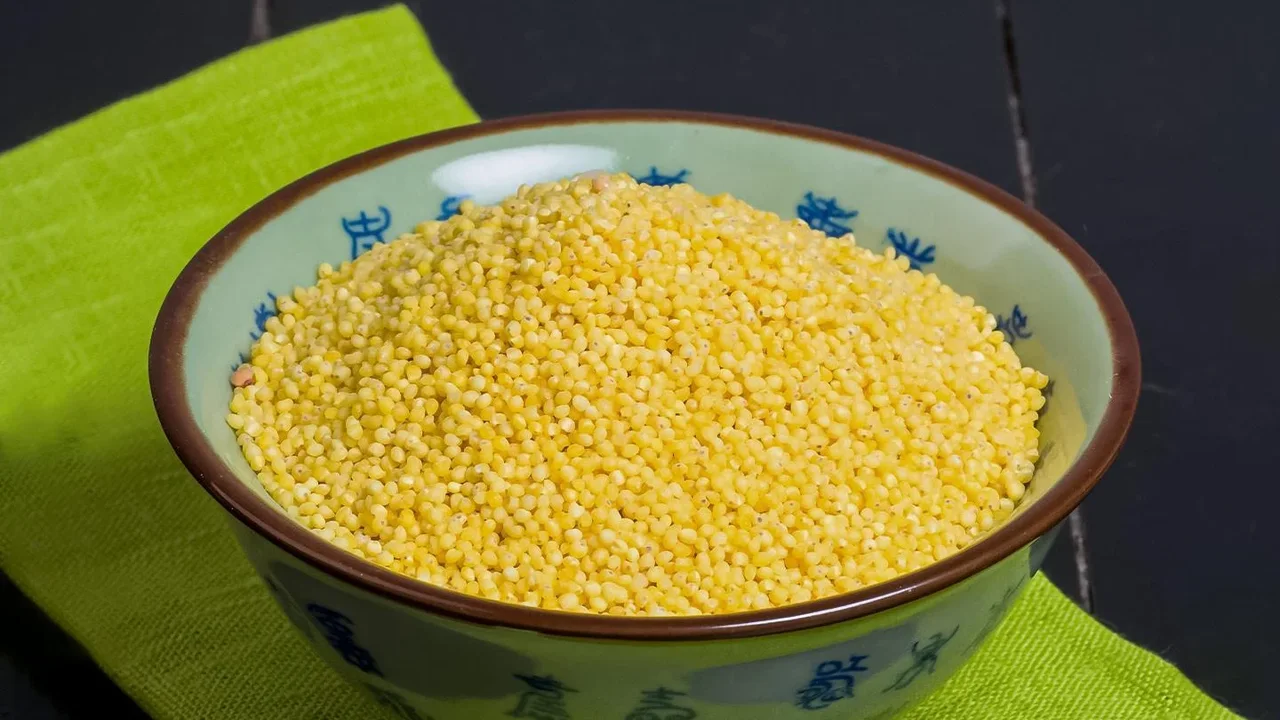
While rice and roti are staples, many ancient Indian grains offer a superior protein profile. Millets like bajra (pearl millet) and jowar (sorghum) contain around 11g of protein per 100g serving, significantly more than white rice. Amaranth (rajgira) is another powerhouse, providing roughly 14g of protein per 100g. You can incorporate these by making millet-based rotis, khichdi, or even upma. Quinoa, though not originally from India, has become a popular staple and is a complete protein, offering all nine essential amino acids. A simple swap from white rice to millets or quinoa for one meal a day can make a noticeable difference in your protein intake.
Leverage Dairy Strategically
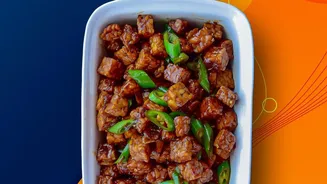
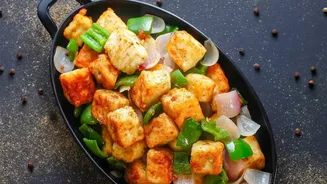
Dairy is a high-quality protein source readily available in most Indian homes. Paneer is a protein champion, with a 100g serving offering between 18g and 20g of protein. It can be used in curries, bhurji, or grilled as a snack. Curd (dahi) and Greek yogurt (hung curd) are also excellent choices. Greek yogurt is particularly protein-dense, with about 10g per 100g serving. Use curd to make raita, marinades for paneer, or as a simple side dish to balance your meal. A bowl of curd or a portion of paneer can easily elevate the protein content of any meal.
Don't Forget Nuts and Seeds
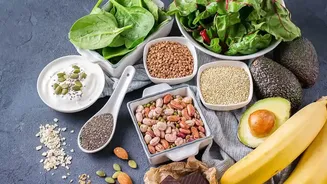
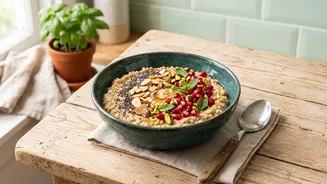
Nuts and seeds are small but mighty sources of protein, healthy fats, and fibre. Just a handful of almonds can provide around 6g of protein. Peanuts are another excellent, affordable option, with 100g containing about 25g of protein. You can easily add these to your diet as a snack or by incorporating them into your cooking. Sprinkle roasted pumpkin or flaxseeds over salads, yogurt, or even your morning porridge. Ground flaxseed can be mixed into roti dough, and peanut butter can be a quick breakfast protein source on whole-wheat toast.
Combine Foods for Complete Protein
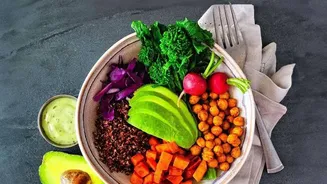
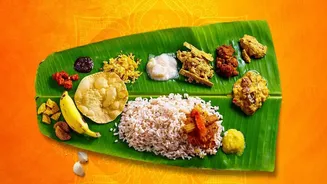
Most plant-based proteins are 'incomplete', meaning they lack one or more essential amino acids. However, the traditional Indian way of eating often solves this problem naturally. The classic combination of dal and rice, for instance, creates a complete protein profile, as the amino acids missing in one are supplied by the other. Similarly, pairing legumes with roti (whole wheat) achieves the same result. Thinking about your meals as combinations—a grain plus a legume or a seed—is a simple strategy to ensure you're getting the full spectrum of amino acids your body needs to thrive.