





The Calorie Concentration Problem
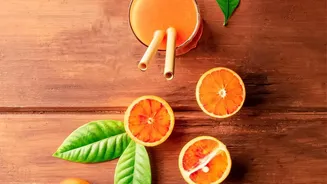
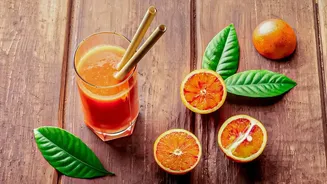
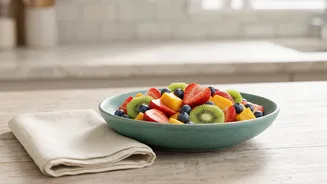
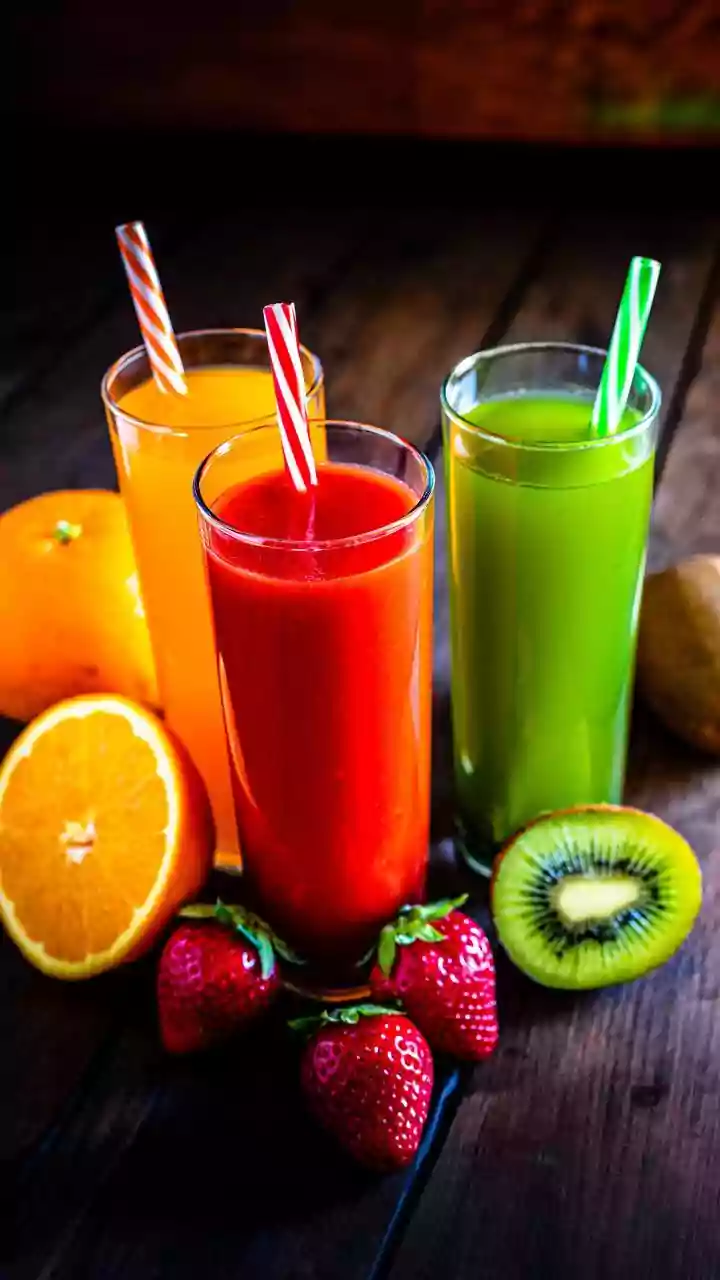
A single bottle of cold-pressed juice might seem like a virtuous choice, but it's a highly concentrated product. It can take several whole fruits to produce just one serving of juice. For example, while one medium orange has about 60 calories and 12 grams
of sugar, a cup of orange juice can contain 110 calories and 21 grams of sugar. That’s because you’re consuming the liquid from multiple oranges at once. This process of extraction concentrates the natural sugars and, consequently, the calories. While the vitamins are retained, so is all the sugar, turning a seemingly light drink into a surprisingly calorie-dense beverage. This makes it incredibly easy to consume the equivalent of a large snack or even a small meal in just a few sips, without even realising it.
The Missing Ingredient: Fiber
The main difference between eating a whole fruit and drinking its juice lies in one crucial component: dietary fiber. The cold-pressing process involves shredding produce and then using a hydraulic press to squeeze out the liquid. This method intentionally separates the juice from the pulp, skin, and seeds—which is where most of the fiber is found. Both soluble and insoluble fiber are largely removed, yet they are essential for good health. This is a significant loss, as fiber plays a critical role in our digestive system and overall sense of fullness. Without it, you're left with what some nutritionists refer to as simply sugar water with vitamins.
Why Your Body Needs Fiber to Feel Full
Dietary fiber is your digestive system's best friend. It helps you feel full and stay full for longer. Soluble fiber, for instance, dissolves in water to form a gel-like substance in your gut. This process slows down digestion, which in turn slows the absorption of sugar into your bloodstream. This prevents the sharp spikes in blood sugar that can lead to energy crashes and cravings. Because juicing removes this fiber, the sugar in the juice hits your bloodstream much faster. This rapid absorption can cause a surge in blood sugar and insulin, which doesn't happen when you eat whole fruit. The feeling of satiety—or fullness—is significantly reduced without fiber, which is why you might feel hungry again shortly after drinking a juice.
The Deception of Liquid Calories
Our bodies don't register liquid calories in the same way they register calories from solid food. The physical act of chewing, along with the bulk of solid food in your stomach, sends powerful signals to your brain that you are full. Liquids pass through the digestive system much more quickly and don't trigger these same satiety hormones. Research suggests that the brain often fails to fully register the energy consumed from drinks, meaning you don't naturally compensate by eating less later on. This can lead to what experts call "passive overconsumption," where you unknowingly add hundreds of extra calories to your daily intake without feeling any more satisfied. That juice you drank as a healthy boost is treated by your body as an addition, not a substitute for food.