



The familiar sight of delivery riders zipping through traffic is no longer just a metro phenomenon. The quick-commerce revolution is expanding into India's smaller cities, creating a surge in local hiring and altering economic landscapes.
The Q-Commerce Conquest of Tier-II India
Quick commerce,
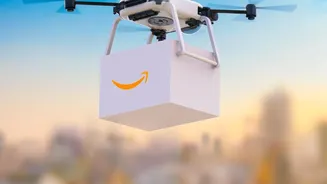
or q-commerce, the business of delivering groceries and essentials in 10-30 minutes, has matured in major metros and is now aggressively expanding. Companies like Blinkit, Swiggy Instamart, Zepto, and even newer players like Flipkart Minutes and Amazon Now are setting up shop in Tier-II and Tier-III cities. This expansion is driven by the realization that these markets, including cities like Jaipur, Lucknow, Coimbatore, and Nagpur, are no longer just future prospects but present-day growth engines. With rising incomes, high smartphone penetration, and a narrowing consumption gap with metros, these cities represent a vast, untapped customer base. For example, Flipkart reports its customer base in cities like Ambala and Siliguri has grown 25 times year-over-year. This push is less about the novelty of speed and more about providing reliable access to a wider variety of goods where organised retail has been limited.
Building the Last-Mile Army
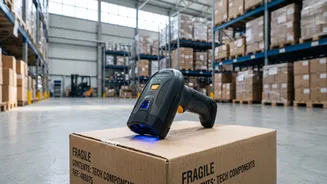
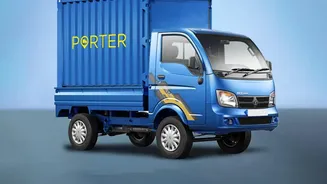
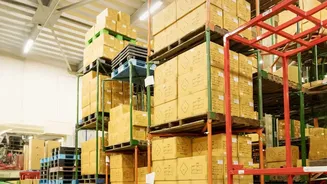
The operational heart of quick commerce is the 'dark store'—a small, neighbourhood-level warehouse designed purely for fulfilment. To make the 10-minute promise a reality, companies need a dense network of these stores and, crucially, a large fleet of local delivery partners. This is where the job growth engine kicks into high gear. The expansion into hundreds of new cities necessitates a massive hiring drive for what the industry calls its 'last-mile fleet'. During the recent festive season, it was estimated that nearly 45% of the over 2.5 lakh temporary and gig jobs created by e-commerce and quick-commerce companies came from Tier-II and Tier-III cities. These aren't just temporary roles; they represent a fundamental shift, creating a new ecosystem of accessible, tech-driven employment that requires minimal formal education. The recruitment process itself is streamlined, using mobile apps for quick onboarding, verification, and training.
More Than Just Delivery Gigs
While delivery partners are the most visible new jobs, the economic impact runs deeper. Each new dark store requires a team of pickers, packers, and store managers. According to a CBRE report, India's dark store network is projected to grow from around 7,800 stores in 2026 to over 12,000 by 2030. This expansion also fuels demand for larger 'mother hubs' on the outskirts of cities, which are bigger warehouses that keep the dark stores supplied. This creates jobs in warehousing, logistics, and supply chain management. Furthermore, this sector provides clear paths for career progression. High-performing delivery riders often move up into supervisory roles like fleet coordinators, hub supervisors, and assistant station managers, with some companies filling 25-40% of these roles through internal promotions. A dark store manager in a Tier-1 city can earn between ₹35,000 and ₹65,000 per month, indicating the potential for these roles to become stable, well-paying careers.
Challenges on the Road Ahead
The expansion into smaller cities is not without its hurdles. While real estate and labour costs are lower than in metros, building a profitable operation depends on achieving sufficient order density. However, early data is promising. Blinkit's CEO noted that new stores in smaller cities are reaching 1,000 orders a day as quickly as those in metros, with average order values at 85-90% of metro levels. To manage costs and scale efficiently, companies are exploring alternative models. These include franchise-led dark stores, outsourcing operations to thirdparty logistics (3PL) providers, and even partnering with local kirana stores to act as microfulfilment centres. The longterm success of this job creation trend will depend on whether these platforms can build sustainable,
profitable businesses beyond the densely populated metros.