







A Shift in the Space-Time Continuum
For decades, India's journey to the stars was almost exclusively powered by a single engine: the Indian Space Research Organisation (ISRO). From launching its first rocket from a fishing village to sending missions to Mars and the Moon, ISRO has been
the nation's pride and its sole gatekeeper to space. The model was simple and effective—a government-led, mission-oriented approach that prioritised strategic goals and scientific exploration. Private companies participated, but mostly as vendors and suppliers, building components for a larger, state-owned machine. The idea of a private Indian company launching its own rocket was, until recently, the stuff of science fiction.
The 2020 Big Bang Reforms
Everything changed in 2020. In a landmark move, the Indian government opened up the space sector to private enterprise. This wasn't just a minor policy tweak; it was a fundamental paradigm shift. The reforms led to the creation of the Indian National Space Promotion and Authorisation Centre (IN-SPACe), a new regulatory body designed to be a friendly interface between ISRO and private players. Suddenly, startups could access ISRO's world-class facilities, test their systems, and even get mentorship from veteran space scientists. The goal was clear: to move from an ISRO-centric model to a vibrant ecosystem where the government acts as an enabler, not the sole operator. This unlocked the door for private innovation and investment to pour into a sector previously off-limits.
Meet India's New Space Pioneers
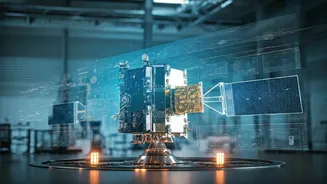
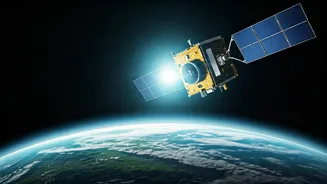
The results have been immediate and impressive. A constellation of 'space-tech' startups has emerged, tackling everything from building rockets to designing satellites. Companies like Skyroot Aerospace and Agnikul Cosmos are developing their own launch vehicles, aiming to provide low-cost, on-demand satellite launch services to the world. Skyroot made history in 2022 by launching India's first privately developed rocket, Vikram-S. Meanwhile, Pixxel is building a fleet of hyperspectral imaging satellites that can monitor the Earth in unprecedented detail, providing crucial data for agriculture, mining, and climate change monitoring. These aren't just 'me-too' companies; they are building cutting-edge technology and attracting serious global investment.
More Than Just Rockets and Satellites
The real opportunity, however, lies in the 'downstream' applications. The data generated by satellites is a goldmine waiting to be tapped. Imagine a logistics company using precise satellite navigation to optimise delivery routes, saving fuel and time. Think of farmers receiving early warnings about crop diseases or water stress from satellite imagery, boosting their yields. Or insurance companies using satellite data to accurately assess damage after a natural disaster. This is where the space ecosystem touches everyday life and creates a ripple effect across the economy. The new space policy encourages the creation of these services, creating jobs not just for rocket scientists and engineers, but also for data analysts, software developers, and business strategists.
The Fuel for Future Growth
This burgeoning ecosystem is creating a high-skill job market that is attracting top talent back to India—a 'brain gain' reversing the 'brain drain'. Engineering graduates who once saw their best opportunities abroad are now finding exciting roles in homegrown space-tech firms. The sector is also becoming a magnet for venture capital, with hundreds of millions of dollars being invested into these new ventures. Of course, challenges remain. Space is a capital-intensive, high-risk business. But the combination of government support, a deep talent pool from India’s premier engineering institutes, and a culture of frugal innovation gives the Indian space ecosystem a unique competitive advantage on the global stage.