


The Annual Sugar Rush
For India's sweet makers, the festive period from Ganesh Chaturthi and Dussehra to Diwali is the most critical time of the year, often accounting for 30-40% of their annual revenue. This season transforms kitchens into bustling hubs of production. Traditional
sweet shops, or 'mithaiwallas', often hire additional temporary staff—from master 'halwais' to counter help—to manage the surge. Production schedules are ramped up, with kitchens operating around the clock to churn out tonnes of laddoos, barfis, and other festive favourites. Planning is meticulous, involving careful estimation of raw material requirements like milk, sugar, ghee, and nuts, which are ordered weeks or even months in advance to avoid last-minute price hikes and supply shortages.
The Home Baker Revolution
While traditional shops scale up, a growing army of home bakers is carving out a significant niche in the festive market. Armed with social media savvy and a focus on customisation, they offer a compelling alternative to mass-produced sweets. Their preparation begins early, with many launching festive menus and opening pre-orders three to four weeks before a major festival like Diwali. They use platforms like Instagram and Facebook to showcase their creations, from artisanal cookies to fusion mithai and customised gift hampers. For home bakers, the challenge is often one of capacity, defined not by staff but by the size of their oven and the number of baking cycles they can manage in a day.
Navigating Modern Challenges
Both legacy businesses and home entrepreneurs face a shared set of modern challenges. Rising ingredient costs are a primary concern, with prices for essentials like sugar, milk, and dry fruits often spiking just before the festive season. This forces a difficult choice: absorb the cost and reduce margins, or increase prices and risk alienating customers. Furthermore, the rise of online ordering and quick-commerce platforms has changed consumer behaviour. While these platforms offer greater reach, they also create immense pressure to fulfill last-minute orders, demanding agile logistics and robust inventory management. For established brands, maintaining consistent quality and hygiene across all batches under the pressure of high-volume production is also a major focus, especially with increased scrutiny from food safety authorities.
A Blend of Tradition and Trend
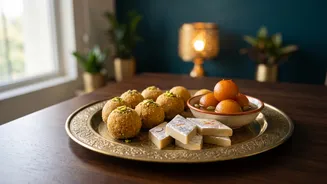
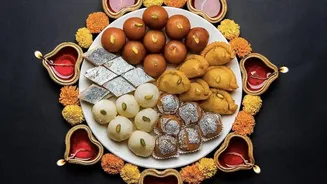
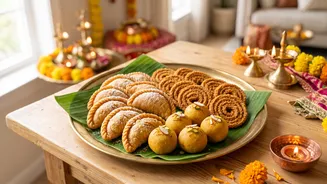
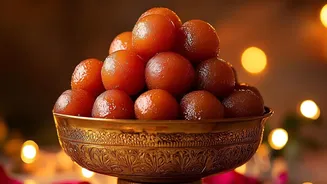
This year's festive offerings reflect a fascinating blend of nostalgia and innovation. While timeless classics like kaju katli, gulab jamun, and motichoor laddoo remain bestsellers, there's a growing appetite for newness. So-called 'fusion mithai' is a major trend, with chefs incorporating global flavours like tiramisu, Biscoff, and matcha into traditional Indian formats. Health consciousness is another driving force. Many consumers are seeking out options with less sugar, or those made with alternatives like jaggery and dates. This has led to a surge in demand for 'petite sweets'—smaller, bite-sized portions that allow for mindful indulgence. Packaging has also become a key differentiator, with many brands investing in beautifully designed, gift-worthy boxes and reusable tins that elevate the entire experience.