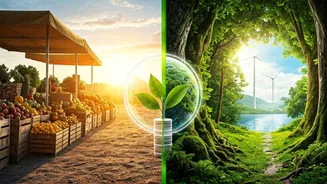









A New Generation’s Checkout Priority
For a growing number of young Indians, consumption is becoming an expression of their values. Climate-smart shopping, once a niche concept, is now a significant consideration for Gen Z and millennials when they spend their money. This demographic, having
grown up with widespread information about climate change, pollution, and social responsibility, is increasingly connecting their personal choices to the planet's health. Studies show a significant positive correlation between climate change awareness and pro-environmental consumer behaviour among young people in India. They are more likely to recognise that human activities are a primary cause of environmental issues and feel a sense of personal responsibility to be part of the solution.
From Awareness to Action
What is driving this shift from abstract concern to concrete action? A major factor is heightened awareness, amplified by social media and digital connectivity. Young consumers are not just passive recipients of information; they actively seek out brands that align with their principles and are vocal about their expectations. This digital fluency allows them to research supply chains, question brand ethics, and share their findings with peers, creating a community of conscious consumers. As a result, many young Indians express a willingness to pay more for products that are sustainable and ethically produced. This has paved the way for a new wave of Direct-to-Consumer (D2C) brands that have built their entire philosophy around sustainability, transparency, and purpose.
What’s in the Sustainable Cart?
Climate-smart shopping manifests in various ways across different product categories. In fashion, there's a growing gravitation towards brands that use organic materials, eco-friendly dyes, and practice circularity, moving away from the disposable model of fast fashion. In personal care and beauty, the demand is for products that are vegan, cruelty-free, and come in minimal or recyclable packaging. Brands like Bombay Shaving Company, which launched a razor made from coconut husks, and Zouk, which uses vegan leather and traditional Indian fabrics, are gaining traction by meeting these specific demands. The trend extends to everyday items as well, with shoppers opting for bamboo toothbrushes, compostable garbage bags, and natural cleaning products to reduce their household waste and carbon footprint.
The Brands Answering the Call
The rise of the climate-conscious shopper has fueled a boom in India's D2C sector. Startups and new-age companies are finding success by putting sustainability at their core. These brands often focus on a specific niche, such as footwear made from recycled materials like Neeman's, plant-based foods from Only Earth, or zero-waste lifestyle products from Bare Necessities. Their D2C model allows them to communicate their brand story and sustainable practices directly to consumers, fostering a sense of community and trust that traditional retail often struggles to achieve. By embedding ethical sourcing, fair labour practices, and environmental responsibility into their business model, these brands are proving that profit and purpose can go hand in hand.
More Than Just an Urban Trend?
While this movement is gaining significant momentum, it's not without its challenges. A notable gap often exists between intention and action, where economic constraints and the high cost of some sustainable products can be a barrier. Many young consumers remain price-sensitive and find it difficult to consistently choose eco-friendly options over more affordable conventional ones. There's also a degree of skepticism, with over half of Gen Z consumers believing many sustainability claims are false. However, the trend is not confined to metros; studies show that millennials in smaller cities sometimes exhibit a greater willingness to adopt sustainable habits. Furthermore, research highlights that Gen Z is particularly responsive to nudges and clear information that helps them make sustainable choices.