






The Architect of the Cloud
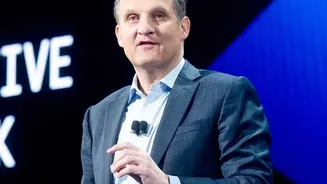
To understand the significance of this hire, one must first understand who David Brown is. For nearly two decades, Brown was a foundational figure at Amazon Web Services (AWS). He started in 2007 as one of the very first engineers working on the Elastic
Compute Cloud (EC2) project in Cape Town, South Africa. This service, which allows companies to rent computing power, became the bedrock of the modern internet. Over 19 years, Brown rose from that small team to become the senior vice-president overseeing all of AWS's compute, AI, and machine learning services, including platforms like SageMaker and Bedrock. He was the man responsible for creating what he termed the 'illusion of infinite capacity', scaling AWS's services to handle a staggering 60 million new server instances daily by 2021. His departure from AWS, where he was a member of the elite 'S-Team' advising the CEO, was a significant event in the tech world.
A Challenge of Unprecedented Scale
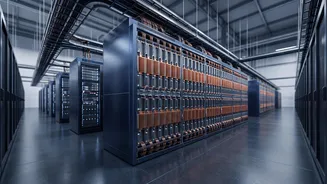
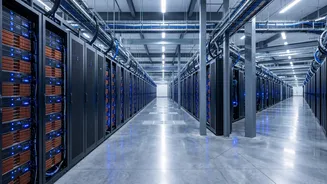
At Meta, Brown is stepping into one of the most demanding and well-funded roles in technology today. He is set to succeed longtime executive Santosh Janardhan in early 2027 as the head of Meta's entire infrastructure organization. In addition, he will serve as the Chief Technical Officer of Meta Compute, a strategic initiative tasked with building out the company's long-term AI capabilities. This is no small task. Meta is currently in what can only be described as 'full AI-acceleration mode', embarking on an infrastructure expansion of historic proportions. The company has forecasted capital expenditures for 2026 to be between $135 billion and $145 billion, a stunning figure aimed squarely at building a fleet of new data centers, designing custom AI chips, and securing the massive amounts of energy required to power them.
A Clear Signal of Intent
Hiring the person who built your biggest rival's cloud infrastructure is a power move. This appointment signals that Meta's AI ambitions go far beyond just developing sophisticated software models like its Llama series. The company is making a strategic bet on owning the entire stack, from the physical data centers and custom silicon up to the applications that serve billions of users. For Meta, infrastructure is no longer just a background support function; it has become a primary competitive advantage. By bringing in Brown, Meta gains a leader with a proven track record of operating computing systems at a planetary scale—exactly the expertise needed to turn its massive capital investments into a functional, efficient, and dominant AI engine. It's a direct challenge to competitors like Google, Microsoft, and Brown's former employer, Amazon.
The Hybrid Strategy and the AI Arms Race
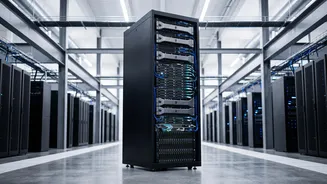
Brown will be overseeing a complex hybrid strategy. While Meta is spending hundreds of billions on its own data centers, it's also hedging its bets by securing massive capacity deals with specialized cloud providers like CoreWeave. This 'build-and-buy' approach helps Meta de-risk its AI roadmap, protecting it from construction delays and power grid shortages that have stalled other large-scale projects. Brown’s primary role will be to orchestrate this colossal undertaking, ensuring the company has the raw computing power it needs to train and run the next generation of AI models. His challenge is not only technical but also financial: he must effectively manage one of the largest capital investment cycles in corporate history while under intense scrutiny from investors concerned about the astronomical spending and its eventual return.