



From Pantry Staple to Gourmet Spread
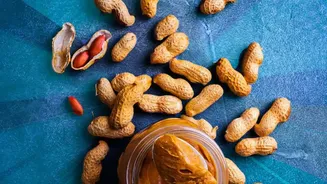
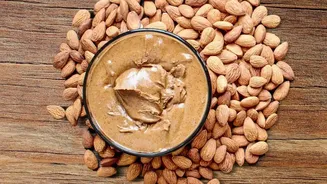
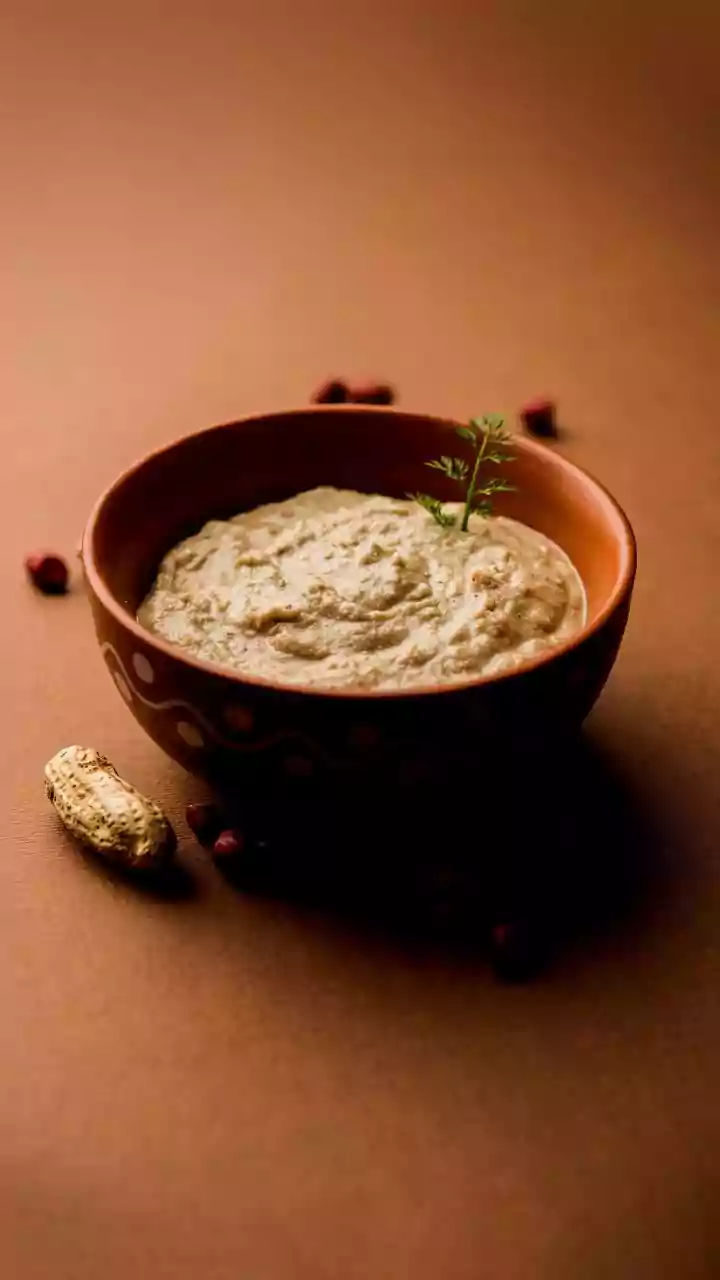
For decades, the choice was simple: peanut butter, creamy or crunchy. But the modern pantry has evolved. Today, shelves are filled with butters made from almonds, cashews, pistachios, and walnuts, marking a significant shift in consumer tastes. This initial
expansion paved the way for the next wave of innovation: flavor. Artisanal producers, recognizing a growing appetite for unique and high-quality foods, began to see nut butter not just as a staple, but as a canvas for culinary creativity. They moved beyond simple additions like cinnamon or chocolate, looking towards more complex, globally-inspired flavor profiles.
A Symphony of Flavor and Texture
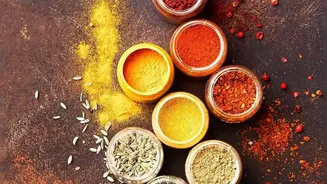
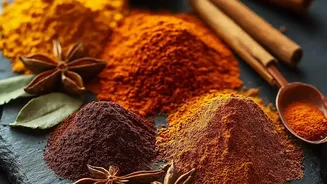
The combination of rich nuts and aromatic spices is a match made in culinary heaven. The natural fats in nut butters provide a perfect medium to carry and mellow the intensity of spices, allowing their nuanced profiles to shine. Think of the marriage between creamy, mildly sweet cashew butter and the warm, floral notes of cardamom and saffron. Or consider the earthy depth of almond butter enhanced by a chai spice blend of cinnamon, ginger, cloves, and black pepper. These combinations create a dynamic interplay of sweet, savory, and spicy that challenges the traditional perception of nut butter. The result is a product that is both familiar in texture and thrillingly new in taste, transforming a simple spread into a complex condiment.
Telling a Story Through Spice
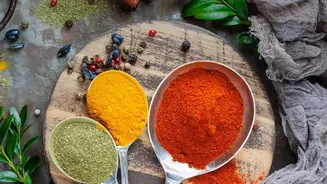
For many artisanal brands, incorporating indigenous spices is about more than just creating a novel product; it's a form of storytelling. Founders often use these blends to connect with and share their own cultural heritage. An Indian-inspired brand might incorporate Lakadong turmeric or Byadagi chilli, ingredients tied to specific regions of India, into their recipes. This approach turns a jar of nut butter into a narrative about family recipes, cultural traditions, and the unique flavors of a specific place. By grounding their products in authentic cultural stories, these brands forge a deeper, more emotional connection with consumers who are increasingly looking for authenticity and purpose in the foods they buy.
More Than Just Toast
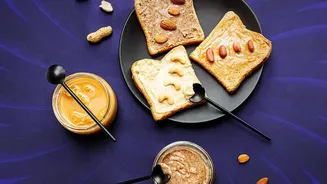
The versatility of these spiced nut butters is another key driver of their popularity. While delicious on toast or with fruit, their complex flavors make them powerful ingredients in the kitchen. A spoonful of a garam masala or harissa-spiced nut butter can become the base for a savory sauce for noodles or grilled meats. A chai-spiced blend can be swirled into oatmeal, added to smoothie bowls, or used to create a unique frosting for cakes and pastries. This multi-use potential encourages home cooks to experiment, elevating everyday meals with a single, convenient ingredient. Brands often provide recipe cards or online suggestions, guiding consumers on how to integrate these bold flavors into their cooking routines.
The Rise of the Conscious Consumer
This trend is also fueled by a broader shift in consumer behavior. Modern shoppers are increasingly drawn to small-batch, artisanal products with transparent sourcing and a compelling brand story. They want to know where their food comes from and feel a connection to the people who make it. Artisanal brands that combine nut butters with indigenous spices perfectly meet this demand. They offer a unique, high-quality product that is often rooted in sustainable and ethical practices. By choosing a jar of Saffron Cashew butter or Turmeric Almond butter, consumers feel they are not just buying a food item, but supporting a small business and celebrating cultural diversity.