




1. Ignoring Destination-Specific Risks
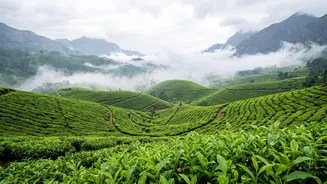
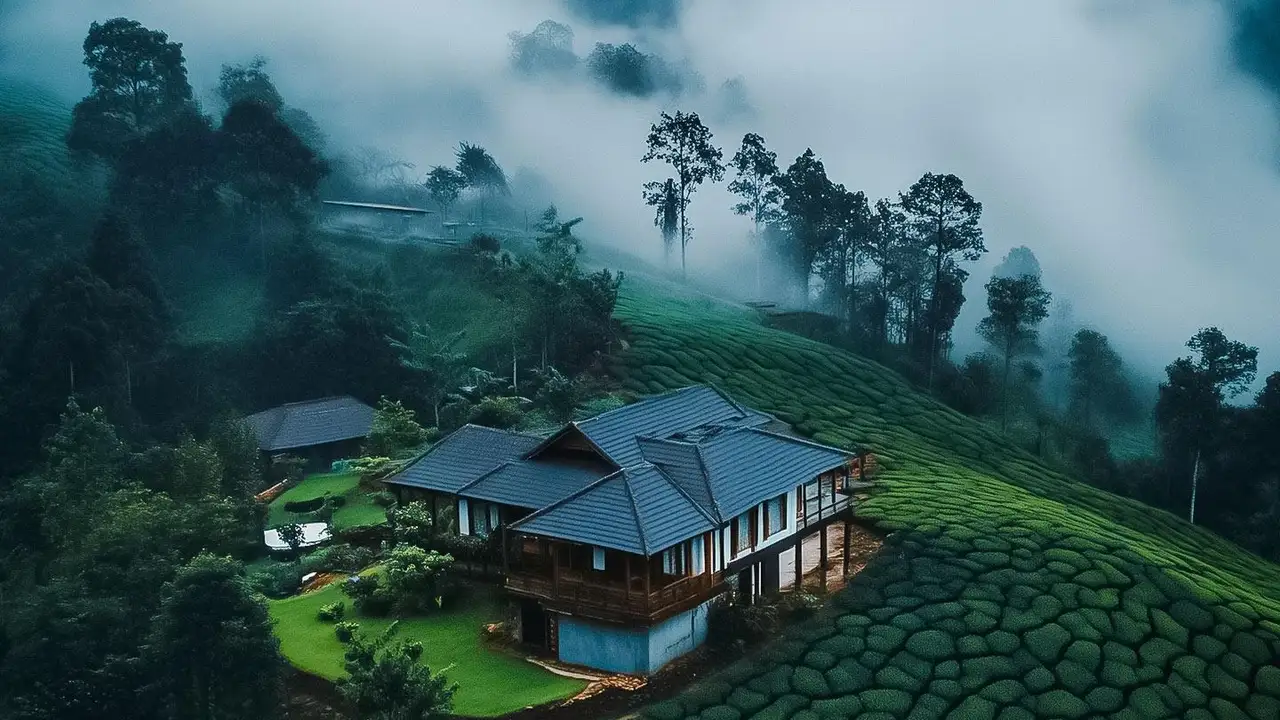
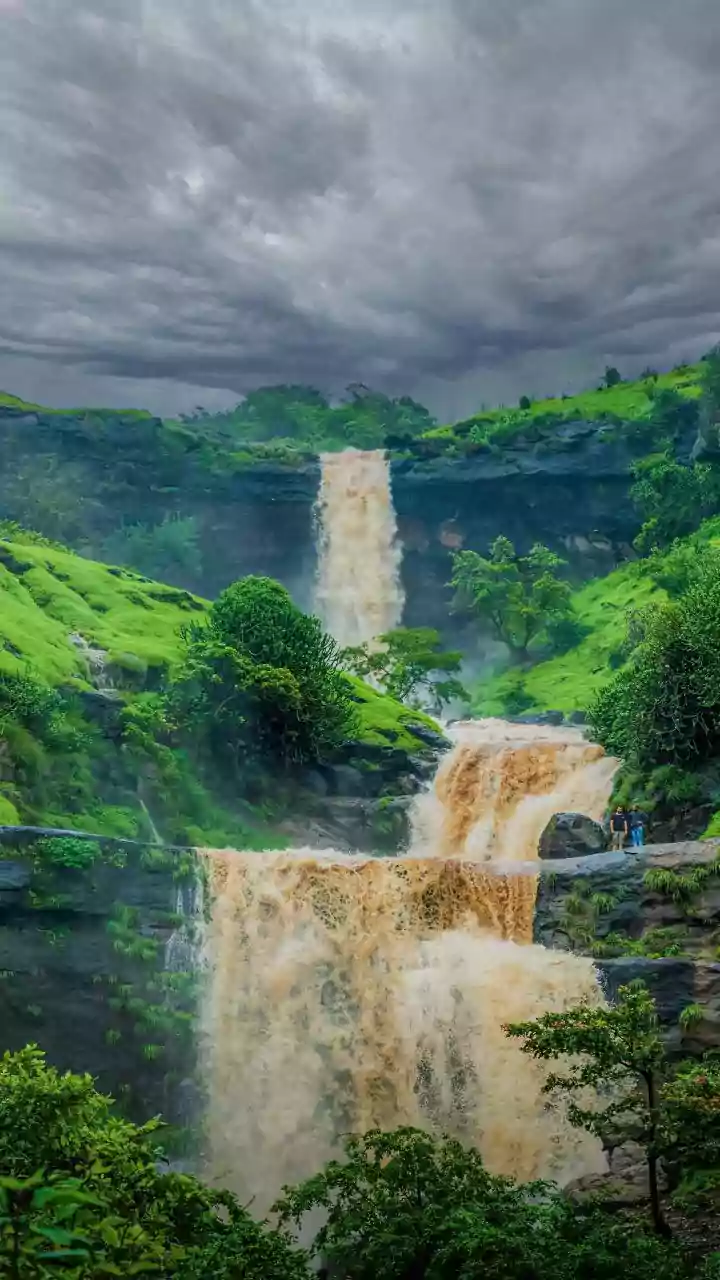
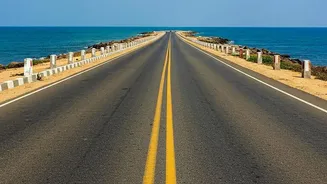
The fantasy of visiting any destination in the monsoon can be risky. Many travellers make the mistake of choosing a place without considering its specific monsoon challenges. Hilly areas can be prone to landslides, cutting off roads for days, while some
coastal areas face dangerously high tides and shuttered services. Before booking, research your destination thoroughly. Opt for places known for their monsoon charm, like the Western Ghats or parts of Rajasthan where the rain is lighter. Check official weather alerts and local advisories, and avoid regions with recent reports of extreme weather, flash floods, or infrastructure damage.
2. Packing an Overly Rigid Itinerary
Monsoon weather is famously unpredictable. A common error is creating a packed, minute-by-minute schedule that leaves no room for sudden downpours or travel disruptions. Treating heavy rain as a minor inconvenience can lead to disappointment and risky decisions, like continuing a trek or boat trip just because it was pre-booked. The key to a successful monsoon trip is flexibility. Build buffer days into your plan. Have backup indoor activities in mind, such as visiting a local museum or enjoying a spa day at your hotel. This allows you to adapt to the weather without stress, ensuring you enjoy your trip no matter what the skies decide.
3. Underestimating Dangers on the Road
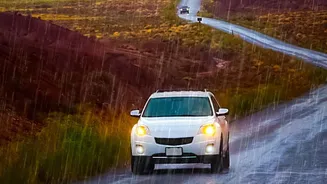
A monsoon road trip sounds romantic, but it comes with serious risks if you're not prepared. Reduced visibility, slippery roads, and hidden potholes can make driving treacherous. A critical mistake is driving too fast for the conditions; experts advise reducing speed significantly and maintaining a greater distance from the vehicle ahead, as braking distances increase on wet surfaces. Always use your low-beam headlights to improve visibility for yourself and others. It's also wise to hire an experienced local driver who knows the terrain and safe routes, especially in hilly regions. Finally, never attempt to drive through heavily waterlogged areas.
4. Packing the Wrong Clothes and Footwear
One of the most frequent travel blunders is packing fabrics like cotton and denim, which take forever to dry in humid monsoon weather. This can leave you with a suitcase full of damp, musty-smelling clothes. The smart alternative is to pack lightweight, synthetic, quick-dry fabrics. When it comes to footwear, leave the leather shoes and sports sneakers at home. Opt for waterproof sandals or floaters with a good grip to navigate slippery surfaces. It's also a mistake to not protect your valuables. Use waterproof bags or pouches for electronics, travel documents, and medicines to shield them from the pervasive dampness and unexpected downpours.
5. Neglecting Critical Health Precautions
The monsoon season brings a heightened risk of water-borne and mosquito-borne diseases like typhoid, dengue, and malaria. A major oversight is consuming street food or drinking tap water, which can be easily contaminated. Stick to boiled or bottled water and eat freshly cooked, hot meals from reputable establishments. To prevent mosquito bites, use a reliable insect repellent, and wear long-sleeved clothing, especially during the evening. Maintaining personal hygiene is also crucial; wash your hands frequently with soap and always carry a hand sanitiser.
6. Making Last-Minute Bookings
While the monsoon is often considered an off-season, popular weekend destinations can still get crowded, especially on long weekends. Waiting until the last minute to book can mean settling for subpar accommodation or paying inflated prices. Hotels that are well-prepared for the monsoon, with services like damp-proofing and efficient housekeeping, get booked up first. During this season, guests spend more time indoors, making the quality of your hotel more important than ever. Planning ahead secures a better stay and often gives you access to off-season discounts offered by hotels looking to attract travellers.
7. Forgetting About the Return Journey
The trip isn't over the moment you get home. A common mistake is to simply dump your luggage and deal with it later. This can lead to mildew setting into your clothes and bags. As soon as you return, unpack everything. Separate wet or damp clothes immediately and get them washed and dried. Air out your suitcase and backpacks thoroughly before storing them. Muddy shoes should be cleaned and dried to prevent damage. It's also wise to monitor your health for a few days after returning. Monsoon-related illnesses can sometimes have a delayed onset, so pay attention to any unusual symptoms like fever or stomach issues.